
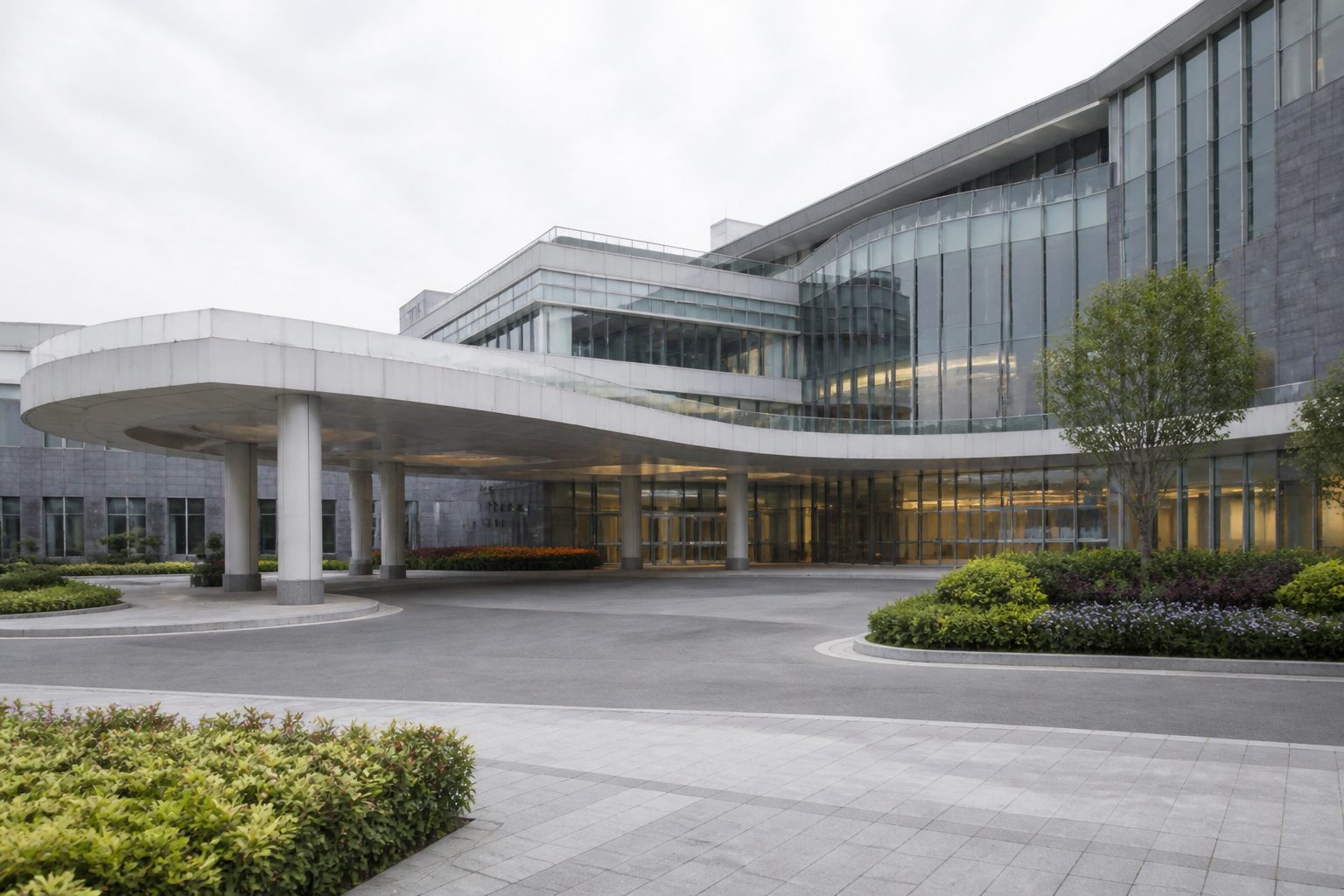
This guide is for patients and families comparing the world’s best hospitals for cancer care. Below you’ll find what each center is known for, practical notes for international patients, and a realistic price range for cancer treatment at each hospital.
For comprehensive cancer treatment at a top international hospital, costs range from $3,000 in India to $120,000 or more in the USA, depending on the hospital, cancer type, treatment plan, and length of stay. Most centers listed here offer multidisciplinary teams, advanced therapies, and international patient support.
How we chose these
These ten hospitals were selected based on their global reputation for cancer care, specialty depth, treatment volume, available accreditations, and transparency in pricing or international patient services. Each center is recognized for innovation, high standards, and providing care to both local and international patients. The indicative costs reflect major treatment plans (surgery, chemotherapy, radiotherapy) but can vary widely by case.
1. MD Anderson Cancer Center, Houston
MD Anderson Cancer Center in Houston is a world leader in oncology, known for its research-driven approach and extensive clinical trials. Patients benefit from multidisciplinary teams specializing in even rare cancers. The center provides personalized treatment plans and access to the latest therapies, including immunotherapy and targeted medicine. International patients have access to a dedicated global patient center for logistical and medical support, though costs can be substantial and insurance coverage should be clarified in advance.
Indicative cost: $20,000-$100,000
2. Memorial Sloan Kettering Cancer Center, New York
Memorial Sloan Kettering (MSK) is renowned for pioneering cancer therapies and its focus on precision medicine. With a strong emphasis on research, MSK offers access to clinical trials and advanced diagnostic technology. The hospital’s international patient office assists with travel, documentation, and care coordination. The cost of treatment can be high, especially for complex cases or those requiring prolonged hospital stays, but MSK is often considered for its expertise in rare and aggressive cancers.
Indicative cost: $25,000-$120,000
3. Dana-Farber Cancer Institute, Boston
Dana-Farber is known for its innovative cancer research and integrated approach to adult and pediatric oncology. The institute collaborates closely with Brigham and Women’s Hospital for surgical and inpatient care. International patients are supported by a dedicated office, and the hospital has experience treating a wide range of cancers, including blood disorders. Costs reflect the comprehensive nature of care and access to novel therapies, but Dana-Farber’s reputation makes it a frequent choice for complex cases.
Indicative cost: $20,000-$90,000
4. Johns Hopkins Hospital, Baltimore
Johns Hopkins offers a comprehensive cancer center with advanced treatments and a focus on translational research. Its multidisciplinary teams are known for managing difficult and rare cancers. International patients receive support through the Johns Hopkins International office, which can help with appointments, language interpretation, and travel logistics. Costs are generally in line with other major US centers and can vary depending on the treatment protocol and hospital stay length.
Indicative cost: $18,000-$95,000
5. Gustave Roussy, Villejuif (Paris area)
Gustave Roussy is Europe’s largest cancer center and is recognized for its innovative therapies and large-scale clinical trials. The hospital offers multidisciplinary care for all cancer types and is often at the forefront of new treatment protocols. International patients are supported by a dedicated team for admissions, translation, and logistics. Costs are generally lower than in the US but still significant; many patients choose Gustave Roussy for complex cases or second opinions from leading European oncologists.
Indicative cost: $15,000-$80,000
6. Royal Marsden Hospital, London
The Royal Marsden is a world-leading cancer center known for diagnosis, treatment, and research. It works closely with the Institute of Cancer Research and offers a wide range of services, from early diagnosis to advanced therapies. International patients can expect a streamlined admissions process and access to the latest clinical trials. Costs are generally lower than in the US but higher than in Asia, reflecting the hospital’s strong reputation and London location.
Indicative cost: $12,000-$70,000
7. National Cancer Center Hospital, Tokyo
This Tokyo-based hospital is known for advanced cancer care and clinical trials, with a strong focus on early detection and minimally invasive treatments. The hospital serves both Japanese and international patients, though language support may be more limited than at Western centers. Costs are typically lower than in the US or Western Europe, and the hospital’s reputation for quality and research draws patients from across Asia and beyond.
Indicative cost: $10,000-$60,000
8. Charité – Universitätsmedizin Berlin, Berlin
Charité is Germany’s largest university hospital and a leader in comprehensive oncology and translational research. The cancer center integrates research with patient care and offers access to cutting-edge therapies, including personalized medicine. International patients are supported by a dedicated office, and the hospital is known for transparent billing. Costs are moderate by European standards and often lower than in the US or UK.
Indicative cost: $13,000-$75,000
9. Peter MacCallum Cancer Centre, Melbourne
Peter MacCallum Cancer Centre is Australia’s largest cancer hospital, renowned for research and multidisciplinary care. The hospital offers comprehensive diagnostic and treatment services, including surgery, chemotherapy, and radiotherapy. International patients are welcomed, with support for travel and logistics. Costs are generally lower than in the US or Western Europe, making Peter MacCallum a popular choice for patients from Asia-Pacific countries seeking advanced care.
Indicative cost: $10,000-$65,000
10. Tata Memorial Hospital, Mumbai
Tata Memorial Hospital is one of Asia’s highest-volume cancer centers, providing affordable care without compromising quality. It is known for research, teaching, and treating a wide range of cancers at costs that are accessible to patients from India and abroad. International patients can expect longer wait times but benefit from significantly lower prices. The hospital is especially suitable for those without insurance or with budget constraints.
Indicative cost: $3,000-$15,000
| Rank | Hospital | City | Known for | Indicative cost |
|---|---|---|---|---|
| 1 | MD Anderson Cancer Center | Houston | Leading-edge cancer research and multidisciplinary care | $20,000-$100,000 |
| 2 | Memorial Sloan Kettering Cancer Center | New York | Pioneering cancer therapies and personalized medicine | $25,000-$120,000 |
| 3 | Dana-Farber Cancer Institute | Boston | Innovative cancer research and adult/pediatric oncology | $20,000-$90,000 |
| 4 | Johns Hopkins Hospital | Baltimore | Comprehensive cancer center with advanced treatments | $18,000-$95,000 |
| 5 | Gustave Roussy | Villejuif (Paris area) | Europe’s largest cancer center, innovative therapies | $15,000-$80,000 |
| 6 | Royal Marsden Hospital | London | World-leading cancer diagnosis, treatment and research | $12,000-$70,000 |
| 7 | National Cancer Center Hospital | Tokyo | Advanced cancer care and clinical trials | $10,000-$60,000 |
| 8 | Charité – Universitätsmedizin Berlin | Berlin | Comprehensive oncology and translational research | $13,000-$75,000 |
| 9 | Peter MacCallum Cancer Centre | Melbourne | Leading cancer research and multidisciplinary care | $10,000-$65,000 |
| 10 | Tata Memorial Hospital | Mumbai | High-volume, affordable cancer care and research | $3,000-$15,000 |
What drives the price of cancer treatment?
The cost of cancer care at top hospitals depends on several factors: cancer type and stage, the need for surgery, chemotherapy, or radiotherapy, length of hospital stay, and whether advanced treatments (like immunotherapy or targeted therapy) are used. Costs also reflect local healthcare pricing, administrative fees, and, for international patients, translation and support services. In the US, prices are typically highest due to the private healthcare system, while India and parts of Asia offer the lowest costs for similar treatments. Additional expenses may include travel, accommodation, follow-up care, and supportive medications.
How to choose the right hospital
When comparing hospitals, start with the specific cancer diagnosis and the expertise of each center. Some hospitals specialize in particular cancer types or age groups. Consider the availability of new therapies or clinical trials, as well as language support, international patient services, and transparency in pricing. Accreditation by bodies such as JCI or national health authorities can be a sign of quality. Always ask for a detailed written cost estimate that includes potential additional charges and inquire about typical waiting times, especially outside the US and Western Europe.
Planning your treatment abroad
If you are considering treatment overseas, plan for both medical and practical needs. Collect all relevant medical records (in English or translated), and clarify what is included in the quoted price—some hospitals include diagnostic tests, while others charge separately. Check visa requirements, local accommodation options, and whether the hospital provides airport pickup or translation. Arrange for follow-up care either at home or via telemedicine, and factor in recovery time when planning your stay. Travel insurance that covers medical issues is strongly recommended.
What is included—and not included—in the price
Indicative prices above typically cover the main elements of cancer treatment: surgery, chemotherapy, or radiotherapy sessions, and a basic hospital stay. However, prices may not include pre-treatment diagnostics, second opinions, advanced imaging (PET/CT), genetic testing, or new drugs not covered by the hospital’s formulary. Some hospitals charge extra for international patient coordination, interpreters, or private rooms. Always request a breakdown of costs and clarify what is included before committing.
Hidden costs and how to avoid them
Hidden costs can include extra diagnostic scans, pathology reviews, blood products, supportive medications, or fees for complications and extended hospital stays. Outpatient follow-up and rehabilitation may also incur additional charges. To avoid surprises, request an itemized estimate, ask about potential complications, and confirm whether the price is a package or charged per service. Some hospitals offer fixed-price packages for common cancers, while others bill separately for each service.
How to save safely on cancer treatment
To reduce costs without compromising safety, consider centers in countries with lower healthcare prices but strong reputations (such as India or Japan). Choose public or teaching hospitals where possible, as they often offer lower rates. Ask about clinical trials, which may cover some or all treatment costs, especially for rare or advanced cancers. Always verify the hospital’s credentials and avoid unregulated facilities or brokers promising unrealistic results. Travel in the off-season for better accommodation rates and book flights early.
The bottom line
Cancer treatment at the world’s leading hospitals ranges widely in cost and experience. The right choice depends on your diagnosis, budget, and the level of support needed. Always seek a second opinion, compare written estimates, and consider both medical quality and practical logistics before making a decision. The ten hospitals listed here are recognized for excellence and support patients from around the globe, but prices, waiting times, and inclusions vary.
Frequently asked questions
How do I get an appointment at these top cancer hospitals?
Most major cancer centers have international patient offices that guide you through the referral, documentation, and appointment process. You’ll need to provide detailed medical records and may be asked for pathology slides or imaging. Early contact is important, as appointment wait times can vary by center and cancer type.
What documents do I need for international cancer treatment?
You should bring recent medical reports, pathology results, imaging (CT, MRI, PET scans), a summary of treatments received, and a referral letter. These should be in English or officially translated. Some hospitals may also require proof of finances or insurance, and a valid visa for your destination country.
Are treatment costs covered by insurance?
Some international health insurance plans cover treatment at top cancer centers, but many do not, especially for care outside your home country. Always check with your insurer and the hospital’s billing office before starting treatment. Self-pay is common for international patients, so budget carefully and get a written quote.
How long will I need to stay for cancer treatment?
The length of stay depends on cancer type and treatment plan. Surgery may require a few weeks, while chemotherapy or radiotherapy can extend over several months with multiple visits. Some hospitals offer outpatient or telemedicine follow-up once you return home, which can reduce time abroad.
Can I bring a family member or caregiver with me?
Yes, most hospitals accommodate one or more family members, though additional costs for accommodation, meals, and visas should be expected. Some centers offer on-site or nearby lodging for families. It’s best to confirm visitor policies and support services with the hospital in advance.
Disclaimer: Prices listed are indicative and can vary widely by case, treatment plan, and hospital. Always obtain a detailed written quote and consult a qualified doctor before making medical or financial decisions about cancer care.