
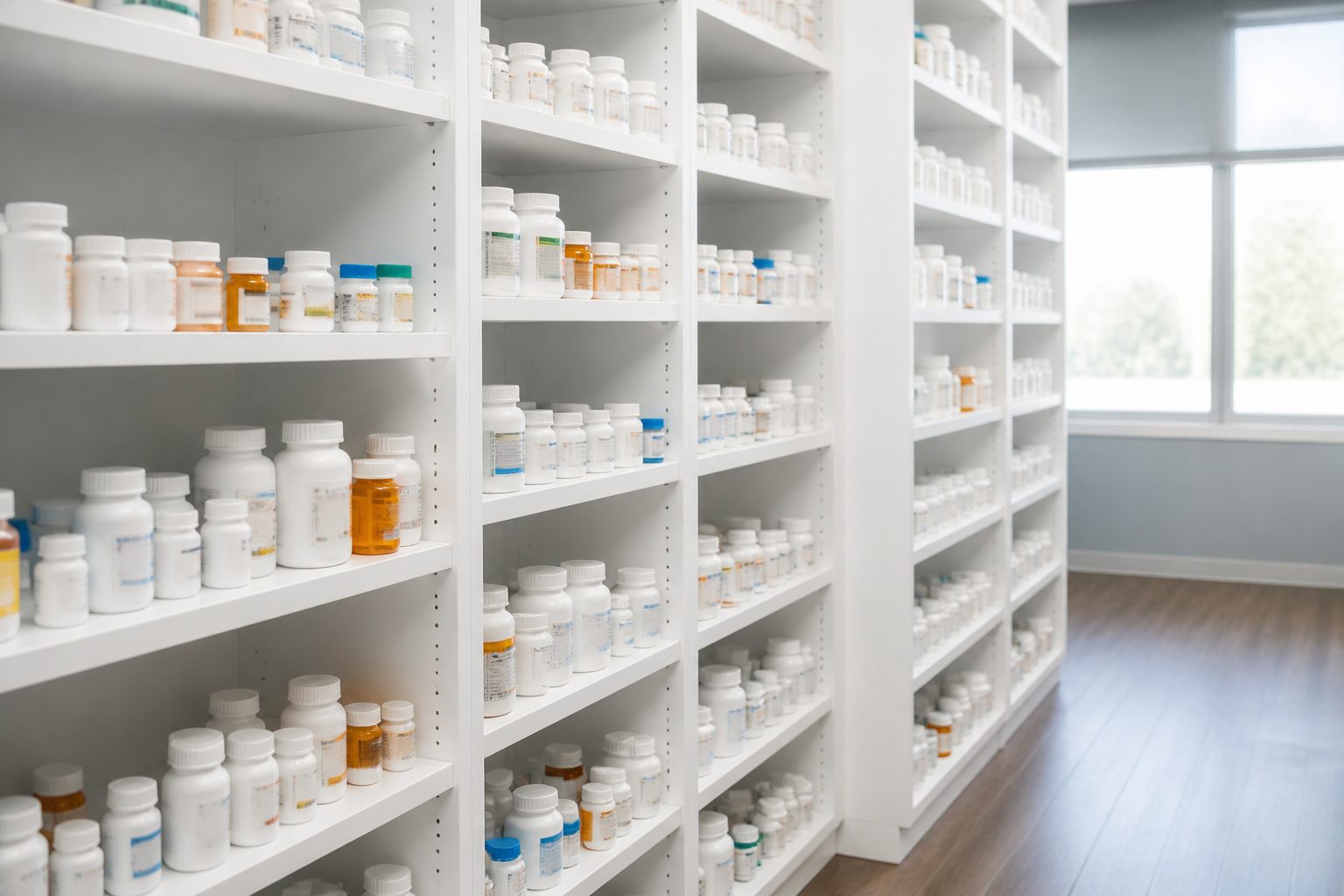
Patients in the United States pay widely varying prices for blood pressure medicines, depending on the medication, pharmacy chain, and whether they use insurance or discount programs. For most common generics, monthly costs can be as low as $10–$20, but branded drugs and uninsured purchases can be much higher.
This guide explains what to expect when buying blood pressure medications at major US chains, how generic and branded prices compare, where to find discounts, and what international patients should know about US pharmacy pricing.
What blood pressure medicines cost at major US pharmacy chains
Blood pressure (antihypertensive) medicines are among the most commonly prescribed drugs in the US. The most frequently used include ACE inhibitors (like lisinopril), ARBs (like losartan), beta blockers (like metoprolol), calcium channel blockers (like amlodipine), and diuretics (like hydrochlorothiazide). Most of these are available as generics, which are much less expensive than branded versions.
At major US pharmacy chains such as CVS, Walgreens, Walmart, Rite Aid, and Kroger, the cash price for a 30-day supply of a generic blood pressure medicine typically ranges from $10 to $40. Branded versions can cost $50–$80 or more per month. Prices can vary significantly between chains, and even between locations within the same chain. Using pharmacy discount programs, coupons, or membership plans can drop the price to $4–$10/month for some generics.
Generic vs branded blood pressure medicines: what to expect
When considering blood pressure medications in the US, one of the most significant factors affecting price is whether you are prescribed a generic or a branded drug. Most first-line antihypertensives, such as lisinopril, amlodipine, losartan, and metoprolol, are widely available in generic forms. Generics are rigorously reviewed and approved by the FDA to ensure they are bioequivalent to their branded counterparts, meaning they provide the same clinical benefit and safety profile. The major advantage is cost: for example, a 30-day supply of generic lisinopril can often be purchased for as little as $4–$10 at large chain pharmacies like Walmart, Kroger, or via discount programs at CVS and Walgreens. Using a pharmacy savings card or online coupon (such as GoodRx or SingleCare) can further lower these prices.
In contrast, branded medications such as Zestril (the brand-name version of lisinopril) or Norvasc (brand amlodipine) can cost substantially more—often $60–$70 or higher per month if paying out of pocket. Branded drugs are generally only prescribed if a patient cannot tolerate the generic, requires a unique formulation, or if there is a medical reason that justifies the higher cost. Insurance companies in the US typically require a documented reason before covering a branded drug when a generic is available, and even then, copays and out-of-pocket expenses are usually much higher for brands.
For uninsured patients, choosing generics is almost always the most affordable route. Even with insurance, many plans have tiered formularies, meaning your copay for a generic might be $5–$10, while for a brand, it could be $40–$100 or more. Some states have laws requiring pharmacies to substitute generics unless the prescriber specifies otherwise. If you are concerned about cost, always ask your healthcare provider if a generic is suitable and compare prices at different pharmacies, as rates and available discounts can vary by chain and location.
How US pharmacy chains set prices for blood pressure medicines
The retail price you pay for blood pressure medications at US pharmacy chains is influenced by a complex web of negotiations and market forces. Pharmacy chains such as CVS, Walgreens, Walmart, Rite Aid, and Kroger negotiate bulk purchase prices with pharmaceutical wholesalers and manufacturers, but the final price at the register depends on several factors: whether you use insurance, a pharmacy discount program, or pay cash. Unlike many other countries where medication prices are regulated, US pharmacies set retail prices independently, leading to significant variation even for the same drug and dosage.
Some chains, like Walmart and Kroger, have well-publicized $4 generic drug programs that cover many common blood pressure medicines such as lisinopril, amlodipine, and hydrochlorothiazide. These programs are designed to attract customers and are available to anyone paying cash, regardless of insurance status. CVS and Walgreens, while not always matching these low prices, offer their own loyalty or savings programs. For example, CVS’s ExtraCare and Walgreens’ Prescription Savings Club can provide discounts for uninsured patients or those whose insurance does not cover a particular medication.
Online aggregators like GoodRx and SingleCare have become essential tools for consumers, allowing you to search and compare prices at major chains and download coupons that can be used in-store. These platforms negotiate with pharmacies to offer lower prices, sometimes undercutting even the chain’s advertised cash price. However, prices can fluctuate monthly due to changes in wholesale costs, manufacturer rebates, or local competition. Urban areas with more pharmacy options often see more competitive pricing, while rural locations may have higher prices due to less competition.
It’s important to note that insurance copays may not always be the lowest option. Sometimes, using a GoodRx coupon or paying the chain’s cash price is less expensive than your insurance copay, especially for generics. Always ask the pharmacy to check both prices before you pay.
Comparing blood pressure medicine prices: US chains vs other countries
The US has some of the highest published retail prices for prescription medicines, especially for patients without insurance. In countries like India, the Philippines, or the UK, prices for generics are typically much lower, and some medicines are available over the counter.
To illustrate, a month of generic amlodipine may cost $2–$5 in India or the Philippines, compared to $10–$20 at a US chain without insurance or discounts. Branded medicines are also generally less costly outside the US, though quality and regulatory oversight can vary. US pharmacies, however, offer consistent quality control and FDA oversight.
| Country | Generic (Amlodipine 5mg, 30 tabs) | Branded (Norvasc 5mg, 30 tabs) | Notes |
|---|---|---|---|
| USA (major chains) | $10–$20 | $60–$80 | Discount programs can lower generics to $4–$10 |
| India | $2–$5 (₹170–420) | $10–$15 (₹850–1,250) | OTC in many pharmacies |
| Philippines | $3–$6 (₱170–340) | $12–$18 (₱680–1,000) | Widespread availability |
| UK (NHS, private) | $12–$15 (£10–£12) | $20–$30 (£16–£24) | NHS covers most patients |
| Pakistan | $2–$4 (₨570–1,140) | $8–$12 (₨2,280–3,420) | OTC, local brands common |
| Bangladesh | $2–$4 (৳220–440) | $8–$12 (৳880–1,320) | Regulated, local brands |
| Indonesia | $3–$5 (Rp45,000–75,000) | $10–$15 (Rp150,000–225,000) | Available in chain pharmacies |
| Germany | $15–$20 (€14–€18) | $30–$40 (€28–€37) | Insurance usually covers cost |
What is (and isn’t) included in US pharmacy prices
When you see the price of a blood pressure medication at a US pharmacy, it’s important to understand exactly what that price covers—and what it doesn’t. The listed price almost always includes only the medication itself, whether in tablet or capsule form, and the labor involved in dispensing it. It does not include the cost of a physician consultation, blood pressure monitoring, or laboratory tests that may be required for diagnosis or ongoing management. These medical services are billed separately by your healthcare provider or clinic.
Some pharmacy chains may add a dispensing fee, especially if you are uninsured or paying cash. This fee covers the pharmacist’s time, labeling, and handling but is often bundled into the quoted price. If you have insurance, your out-of-pocket cost (copay) may be much lower than the cash price, but this depends entirely on your plan’s drug formulary, your deductible, and whether the medication is considered generic or branded. Some high-deductible plans require you to pay the full price until you meet your deductible, after which copays or coinsurance apply.
Discount programs, such as Walmart’s $4 list, Kroger’s generic savings, or GoodRx coupons, typically apply only to the cost of the medication itself. They do not cover additional pharmacy services such as medication counseling, immunizations, or medication synchronization programs. If you use a mail-order or online pharmacy, be aware that shipping fees may apply, and some require a minimum order amount to qualify for free shipping. Always confirm that the mail-order pharmacy is licensed and dispensing FDA-approved medications to avoid counterfeit or substandard drugs.
For international patients, US law prohibits the importation of prescription drugs for personal use except under very limited circumstances. Attempting to import medications from abroad can result in seizure by customs or legal penalties. Always purchase your blood pressure medicines from a reputable, US-licensed pharmacy to ensure safety and legality.
Hidden costs and how to avoid them
While the sticker price of your blood pressure medicine is important, several hidden costs can unexpectedly raise your total spending. One common source of extra expense occurs when a doctor prescribes a branded medicine despite a generic being available, or when a pharmacy dispenses a more expensive formulation, such as an extended-release tablet or a combination pill. These alternatives can cost significantly more, and insurance may not always cover the difference. To avoid this, always ask your prescriber if a generic or a less expensive formulation is medically appropriate for you.
Pharmacy pricing can also vary widely—even within the same chain but at different locations or in different states. For example, the same generic drug might be $10 at one Walgreens and $25 at another. To avoid overpaying, use online price comparison tools like GoodRx, SingleCare, or WellRx, which allow you to check real-time prices at local pharmacies and download discount coupons. Some chains, like Walmart and Kroger, have fixed-price generic programs, but not all locations participate, so always confirm in advance.
Insurance plans often have complex rules that can create hidden costs, such as tiered copays, prior authorization requirements for certain drugs, or restrictions on which pharmacies you can use without penalty. Filling your prescription at an out-of-network or specialty pharmacy can result in higher copays or even denial of coverage. If you prefer mail-order pharmacies, watch for shipping fees and confirm that the pharmacy is licensed and dispensing FDA-approved products. In some cases, ordering a 90-day supply instead of a 30-day supply can reduce your per-month cost, but check if your insurance covers this option and whether your prescriber is willing to write a longer prescription.
To minimize hidden costs, follow these practical steps:
- Request generics and ask about all available formulations.
- Use price comparison tools before filling your prescription.
- Check your insurance formulary and preferred pharmacy network.
- Consider 90-day supplies for chronic medications.
- Ask your pharmacist to review your medication list to avoid duplication.
How to save on blood pressure medicines at US chains
There are several practical strategies you can use to lower your out-of-pocket costs for blood pressure medications at major US pharmacy chains. First and foremost, ask your doctor to prescribe a generic medication if it is medically appropriate. Generics are just as effective as branded drugs and are available at a fraction of the price. Many large chains, such as Walmart and Kroger, offer $4 generic programs that include the most commonly prescribed blood pressure medicines. CVS and Walgreens may not always match these prices, but they provide savings programs and loyalty cards that can offer discounts, especially for patients without insurance.
Before filling your prescription, compare prices at different pharmacies using online tools like GoodRx, SingleCare, or WellRx. These platforms aggregate coupons and negotiated discounts that can be used at most major chains, sometimes lowering your cost below what you would pay with insurance. Don’t hesitate to ask the pharmacy to check both the insurance and cash (or coupon) price, as one may be significantly cheaper than the other.
Filling a 90-day prescription instead of a 30-day supply can often reduce your per-month cost, as many plans and pharmacies offer price breaks for longer supplies. If you have insurance, always fill your prescription at a pharmacy within your plan’s preferred network to avoid higher copays or out-of-network charges. Check your insurer’s formulary to see if your medication is on the preferred drug list; if not, ask your doctor if a covered alternative is appropriate.
For patients who require a branded medication, look for manufacturer coupons or patient assistance programs, though eligibility is usually limited to those without insurance or with demonstrated financial need. Nonprofit organizations and some state programs also offer medication assistance for low-income patients.
To maximize your savings and safety:
- Bring a written prescription and an up-to-date list of your current medications to the pharmacy.
- Review your medications with the pharmacist to prevent duplication or dangerous drug interactions.
- Ask about automatic refill and synchronization programs, which can help you avoid missed doses and extra trips to the pharmacy.
Online pharmacies and telehealth: pros and cons
Online pharmacies in the US, such as Amazon Pharmacy, Capsule, and mail-order services from CVS and Walgreens, offer convenience and sometimes lower prices for blood pressure medicines. These services require a valid US prescription and often deliver to your home within a few days. Using online price comparison tools can help you find the best deal.
However, be cautious when using online pharmacies—only use those verified by the National Association of Boards of Pharmacy (NABP) or listed in the FDA’s approved list. Avoid websites that offer prescription drugs without a prescription, as these may be unsafe or counterfeit. Telehealth platforms can also prescribe blood pressure medicines after an online consultation, but fees for the consult may apply and are not included in the medication price.
Frequently asked questions
How much does generic lisinopril cost at US pharmacy chains?
At major US chains, a 30-day supply of generic lisinopril generally costs $10–$20 without insurance. With a discount program or coupon, the price can drop to $4–$10. Prices vary by chain and location.
Can I buy blood pressure medicines without a prescription in the US?
No. In the United States, all blood pressure medicines require a valid prescription from a licensed healthcare provider. Pharmacists cannot dispense these drugs without a prescription, even for refills.
Are pharmacy discount cards and coupons legitimate?
Yes, most major pharmacy discount cards (like GoodRx or SingleCare) are legitimate and widely accepted at US chains. They can significantly lower the cash price of many generic medicines, but always check with the pharmacy before filling your prescription.
Is there a difference in quality between generic and branded blood pressure medicines?
No significant difference exists in quality or effectiveness between FDA-approved generic and branded blood pressure medicines. Generics must meet the same standards for safety, efficacy, and manufacturing as branded products.
Can international patients purchase blood pressure medicines at US pharmacies?
International patients can buy blood pressure medicines at US pharmacies, but a US-licensed doctor’s prescription is required. Prices are typically higher than in many other countries, and insurance from outside the US is rarely accepted.
Related guides
Disclaimer: Prices in this article are indicative and for general information only. Actual costs vary by pharmacy, location, insurance, and individual case. Always obtain a written quote and consult a qualified healthcare provider before starting or changing any medication.