
This guide is for patients and families managing hypertension (high blood pressure) in Egypt, as well as those considering Egypt for affordable long-term care. The long-term costs include daily medicines, regular check-ups, and sometimes medical devices, which can add up over time.
In Egypt, managing hypertension is generally less expensive than in Western countries, but prices for medicines and devices can still vary widely. This article details the specific costs of common medicines, compares prices internationally, and looks at pharmacy options and what to expect with devices like blood pressure monitors and home oxygen.
What does hypertension management cost in Egypt?
Most people with hypertension require daily medication, regular blood pressure monitoring at home, and periodic doctor visits. In Egypt, the monthly cost for common blood pressure medicines typically ranges from $3 to $20 (EGP 140–950) for generics, with branded options costing more. Devices like home blood pressure monitors are a one-time expense, usually $25–$60 (EGP 1,200–2,800), depending on brand and features. Other devices—such as glucometers (for those with diabetes), CPAP machines (for sleep apnea), and hearing aids—may be needed depending on associated conditions.
Many Egyptians rely on generic medicines, which are widely available and strictly regulated for quality. Pharmacies in Egypt are plentiful, and major chains offer both in-store and online ordering with home delivery. International patients or expats often find costs significantly lower than in the US, UK, or Gulf countries, particularly for generics and locally-made devices.
How medicine prices compare: Egypt and other countries
Medicine prices in Egypt are generally among the lowest globally, especially for locally produced generics. Branded imported medicines can cost two to three times as much as their generic equivalents, but for most hypertension drugs, reliable generics are available. For comparison, here are typical monthly costs for some common chronic disease medicines in Egypt, India, the US, and the UK:
| Medicine / Device | Egypt | India | US | UK |
|---|---|---|---|---|
| Amlodipine 5mg (30 tablets) | $3–5 (EGP 140–240) | $1–2 (₹85–170) | $10–15 | $1–3 (£0.80–2.40) |
| Losartan 50mg (30 tablets) | $4–7 (EGP 190–330) | $2–4 (₹170–340) | $15–25 | $2–5 (£1.60–4.00) |
| Insulin (10ml vial, human regular) | $10–20 (EGP 470–950) | $4–8 (₹340–680) | $100–150 | $7–10 (£5.60–8.00) |
| Atorvastatin 20mg (30 tablets) | $4–8 (EGP 190–380) | $2–5 (₹170–425) | $10–20 | $2–4 (£1.60–3.20) |
| Salbutamol inhaler | $3–5 (EGP 140–240) | $1–2 (₹85–170) | $15–30 | $2–4 (£1.60–3.20) |
| CPAP machine (basic model) | $350–600 (EGP 16,500–28,200) | $200–450 (₹17,000–38,000) | $700–1,200 | $400–650 (£320–520) |
| Home blood pressure monitor | $25–60 (EGP 1,200–2,800) | $15–50 (₹1,300–4,200) | $40–100 | $30–70 (£24–56) |
| Glucometer (starter kit) | $15–40 (EGP 700–1,900) | $10–30 (₹850–2,500) | $25–60 | $20–50 (£16–40) |
| Wheelchair (basic foldable) | $60–180 (EGP 2,800–8,500) | $45–150 (₹3,800–12,700) | $150–350 | $120–250 (£96–200) |
| Hearing aid (per ear, entry-level) | $180–350 (EGP 8,500–16,500) | $120–300 (₹10,200–25,500) | $1,000–2,500 | $600–1,200 (£480–960) |
| Home oxygen concentrator | $400–700 (EGP 18,800–33,000) | $350–650 (₹29,700–55,000) | $900–1,800 | $700–1,200 (£560–960) |
Generic versus branded medicines in Egypt
Egypt’s pharmaceutical market offers both imported branded medicines and a wide range of local generics. For hypertension, generics like amlodipine, losartan, and enalapril are strictly regulated by the Egyptian Drug Authority and must meet international standards. These generics are typically 40–70% cheaper than branded versions. For example, a month’s supply of generic amlodipine may cost $3–5 (EGP 140–240), while the same branded product can be $8–12 (EGP 380–570).
Most Egyptian doctors prescribe generics unless there is a clinical reason for a specific brand. International patients should be reassured that local generics are widely used and considered effective. However, some patients may prefer imported brands for personal reasons or based on their previous treatment history. Imported brands are available at major pharmacy chains, but may need to be ordered in advance, especially for less common drugs.
Top pharmacy chains and accessing medicines
Egypt’s pharmacy sector is robust and diverse, offering a wide range of options for patients managing hypertension and other chronic diseases. The largest national pharmacy chains—such as El Ezaby, Seif, and Misr Pharmacies—are recognized for their extensive stock, standardized pricing, and strict adherence to quality control. These chains have branches in most major cities, including Cairo, Alexandria, and Giza, and are often the first choice for those seeking reliability and convenience. Many branches are open 24/7, which is particularly helpful for urgent medicine needs. Large chains also tend to have modern facilities, knowledgeable pharmacists, and English-speaking staff, making them accessible for both locals and expatriates.
In recent years, online pharmacies have gained popularity, especially among patients with chronic conditions who require regular refills of medicines and medical devices. These digital platforms, operated by major chains or independent retailers, allow users to browse products, compare prices, upload prescriptions, and arrange home delivery. This is particularly advantageous for urban residents or those with mobility limitations. When using online services, patients should ensure they are dealing with licensed, reputable providers to avoid counterfeit or expired products. Some platforms offer loyalty programs, discounts, or reminders for prescription refills, adding further value for long-term disease management.
Accessing prescription medicines in Egypt generally requires a valid prescription from a licensed physician. While some antihypertensives and medical devices may be available over the counter, most long-term hypertension medications are prescription-only to ensure proper medical supervision. International patients should bring a translated prescription if possible, as well as a summary of their medical history. For those living outside major cities, smaller local pharmacies are widespread and often able to order specific medicines or devices upon request, though stock may be more limited. Regardless of where you shop, always check expiry dates, request a receipt, and ask about the availability of generics as a cost-saving measure.
Medical device costs: blood pressure monitors and more
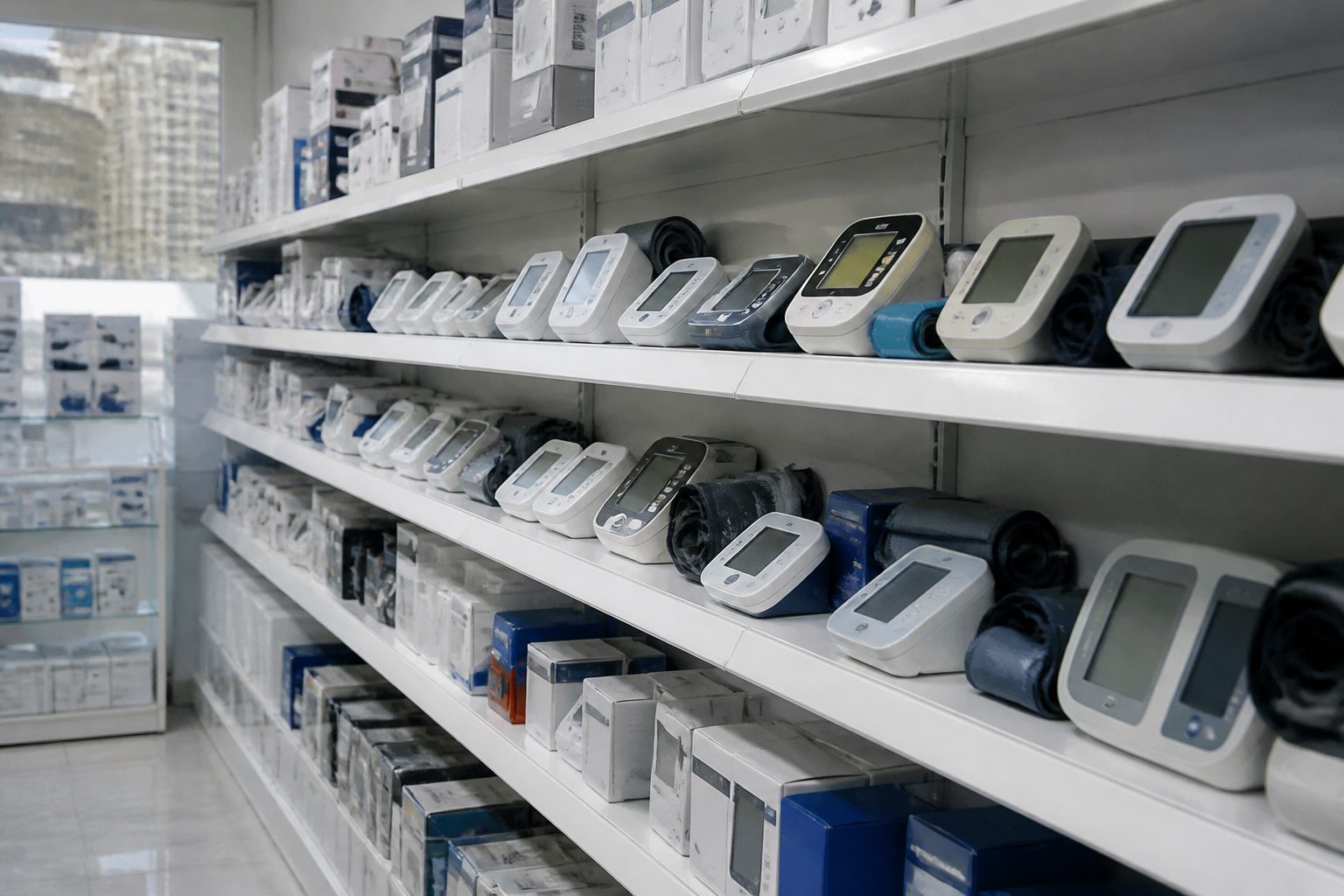
Home blood pressure monitoring is essential for effective long-term hypertension management, enabling patients and doctors to track blood pressure trends and adjust treatment as needed. In Egypt, the cost of a reliable automatic blood pressure monitor is influenced by several factors, including brand reputation, device features, and place of purchase. Leading brands such as Omron, Beurer, and Microlife are widely available at most major pharmacies and medical supply stores, with prices typically ranging from $25 to $60 (EGP 1,200–2,800) for clinically validated models. Devices with additional features—such as memory for multiple users, irregular heartbeat detection, or Bluetooth connectivity—tend to be at the higher end of the price range.
Cheaper, unbranded monitors can be found for less, but these may not meet international accuracy standards, which is a significant concern for ongoing hypertension care. It’s highly recommended to invest in a device that is validated by recognized organizations (such as the British Hypertension Society or the European Society of Hypertension). In addition to blood pressure monitors, patients with coexisting chronic diseases may require devices like glucometers for diabetes, CPAP machines for sleep apnea, wheelchairs, hearing aids, or home oxygen concentrators. The availability of these devices is generally good in urban centers, with international brands usually stocked, but prices can vary considerably based on import duties, supplier markups, and currency fluctuations.
When purchasing any medical device, patients should inquire about after-sales service, warranty periods, and the cost of consumables such as batteries, cuffs for blood pressure monitors, test strips for glucometers, or filters for CPAP machines. For devices requiring regular maintenance, such as CPAP or oxygen concentrators, ongoing costs can add up over time. Patients are advised to ask about local servicing options, as some international brands may not have authorized service centers in Egypt. Comparing prices across several suppliers and requesting written quotes can help prevent overpaying. Ultimately, investing in quality devices and understanding the full scope of costs—including maintenance and consumables—are crucial steps in managing hypertension effectively and affordably in Egypt.
What is and isn’t included in the price
Medicine prices in Egypt are generally quoted per box or per blister pack, with each pack typically lasting 2–4 weeks depending on the dose. For devices, the listed price usually includes the main unit, a basic warranty, and sometimes starter consumables (e.g., test strips for glucometers). Additional costs may include:
- Doctor consultation fees for prescription renewals (typically $5–$20 per visit, EGP 240–950)
- Follow-up lab tests (blood tests, kidney function, cholesterol; $10–$50 per panel, EGP 470–2,400)
- Replacement parts or consumables (e.g., CPAP masks, test strips, batteries)
- Delivery fees for online pharmacy orders (usually $1–$3 in cities)
Insurance coverage for medicines and devices is variable. Many Egyptians pay out of pocket, but some employer or private insurance plans cover chronic disease medicines and essential devices. International visitors should clarify what is covered by their insurance or travel plan before purchasing.
Hidden costs and how to avoid them
Although Egypt is known for generally affordable healthcare and medicine prices compared to many other countries, there are several hidden costs that patients managing hypertension should be aware of. Imported brands of medication and medical devices, for example, can be significantly more expensive than their locally produced equivalents due to import duties, currency fluctuations, and distributor markups. In some cases, the price of an imported blood pressure monitor or a newer antihypertensive drug may be double or even triple that of a comparable local product. Patients should also be cautious with lesser-known device brands, as these may come with limited after-sales support, shorter warranty periods, or difficulties in sourcing spare parts and consumables. This can lead to unexpected expenses if the device malfunctions or requires maintenance.
Online pharmacies, while convenient, may also introduce additional costs. Some charge higher prices for home delivery, especially in remote or less accessible areas, or impose surcharges for newer or high-demand medicines. There is also a risk of encountering counterfeit or expired products when using unverified online sellers, which can have both financial and health consequences. Patients should always use reputable, licensed pharmacy platforms and check for secure payment options and clear return policies.
To minimize hidden costs, it is advisable to compare prices across several pharmacies before making a purchase, as price differences can be significant even among large chains. Requesting generics instead of brand-name medicines can also lead to substantial savings. When buying devices, ask for a written quote that includes the cost of consumables and potential maintenance fees, and check the warranty terms carefully. International patients, in particular, may benefit from having a local contact who can help navigate the pharmacy system or by relying on established pharmacy chains’ online platforms, which are more likely to offer transparent pricing and reliable after-sales support. Finally, be wary of offers that appear unusually cheap, especially for medical devices, as these may lack proper certification, quality assurance, or warranty coverage, ultimately resulting in higher costs down the line.
How to save safely on hypertension management
There are effective strategies for reducing the long-term costs of hypertension management in Egypt, without compromising on safety or the quality of care. By making informed choices about medicines, devices, and where you purchase them, you can keep expenses manageable while ensuring optimal health outcomes.
- Choose generics: Locally manufactured generic medicines are strictly regulated by Egypt’s Ministry of Health and are often just as effective as imported brands, but at a fraction of the cost. Always ask your doctor or pharmacist if a generic version is available and if it’s appropriate for your condition.
- Buy in larger quantities: If your treatment plan is stable and your doctor approves, purchasing a 2- or 3-month supply of medicines can reduce per-unit costs and minimize the number of pharmacy visits. Some pharmacies offer discounts for bulk purchases or provide loyalty points that can be redeemed for future savings.
- Use pharmacy chains: Large, reputable chains like El Ezaby, Seif, and Misr Pharmacies offer transparent pricing, a wide selection of authentic products, and knowledgeable staff. They are more likely to have English-speaking pharmacists and can assist with medication reviews and advice for expats or international patients.
- Shop online: Online pharmacies can be a convenient way to compare prices, access discounts, and arrange home delivery—particularly in major cities. Always verify that the online pharmacy is licensed and that the medicines or devices are sourced from authorized suppliers.
- Check device warranties: Before purchasing any medical device, confirm the duration and terms of the warranty, and ask about the cost and availability of consumables such as cuffs, batteries, or test strips. Reliable after-sales service is essential for devices that require ongoing maintenance.
In addition to these steps, never switch medicines or brands without consulting your doctor, as even small changes can affect blood pressure control. When buying devices, look for those that are validated for clinical use by recognized medical associations. By being proactive, comparing options, and seeking professional advice, you can safely manage hypertension costs while maintaining high standards of care.
Planning for long-term management: practical tips
Managing hypertension in Egypt is a lifelong process that requires careful planning, regular follow-up, and proactive engagement with healthcare providers. Most patients should expect to see their doctor every three to six months for check-ups, blood pressure assessments, and prescription renewals. These visits are crucial for monitoring the effectiveness of treatment, adjusting medication dosages, and screening for complications. Keeping an up-to-date record of all prescribed medicines, their dosages, and the serial numbers of any medical devices you use (such as blood pressure monitors or glucometers) is highly recommended. This record can be invaluable in case of emergencies, travel, or when switching healthcare providers.
For those who travel frequently or live part-time in different locations within Egypt, it is wise to bring your prescription and medical documents with you. International patients should consider translating their medical records into Arabic or English to facilitate communication with local healthcare professionals and to avoid misunderstandings. Before purchasing medicines or devices, check with your health insurer regarding coverage for out-of-country purchases, as some international policies may reimburse these expenses or require specific documentation.
To ensure continuity of care, set reminders for medication refills and device maintenance. Many large pharmacy chains in Egypt offer SMS or app-based reminders for repeat prescriptions, which can help prevent missed doses or lapses in therapy. If you relocate or travel within the country, these chains often allow you to transfer your prescription to another branch, ensuring uninterrupted access to your medicines. For patients on a tight budget, discuss cost-effective treatment options with your doctor, including the use of generics or combination medications. Additionally, inquire about government programs or non-governmental organizations (NGOs) that provide support or subsidies for chronic disease management, as these can significantly reduce out-of-pocket expenses. By staying organized, informed, and proactive, you can manage hypertension effectively and minimize both health risks and financial strain in the long term.
Frequently asked questions
How much does it cost monthly to manage hypertension in Egypt?
For most patients, monthly medicine costs range from $3–$20 (EGP 140–950) for generics, plus $5–$20 for occasional doctor visits. Devices like blood pressure monitors are a one-time cost of $25–$60.
Are Egyptian generic medicines safe and effective?
Yes, Egyptian generics are regulated by the Egyptian Drug Authority and must meet international safety and efficacy standards. They are widely used and trusted by local doctors.
Can I buy hypertension medicines online in Egypt?
Yes, major pharmacy chains offer online ordering and home delivery, especially in cities. A prescription is required for most antihypertensive medicines. Online prices are generally similar to in-store.
What devices are needed for home hypertension management?
The most common device is a home blood pressure monitor. Some patients may also need glucometers, CPAP machines, or other devices if they have associated conditions like diabetes or sleep apnea.
Does insurance cover hypertension medicines in Egypt?
Some employer or private insurance plans cover hypertension medicines and devices, but many Egyptians pay out of pocket. International visitors should check their policy for coverage details.
Related guides
Disclaimer: Prices are indicative, vary by case and hospital, and may change over time. Readers should obtain a written quote from the pharmacy and consult a qualified doctor before starting or changing any treatment.