
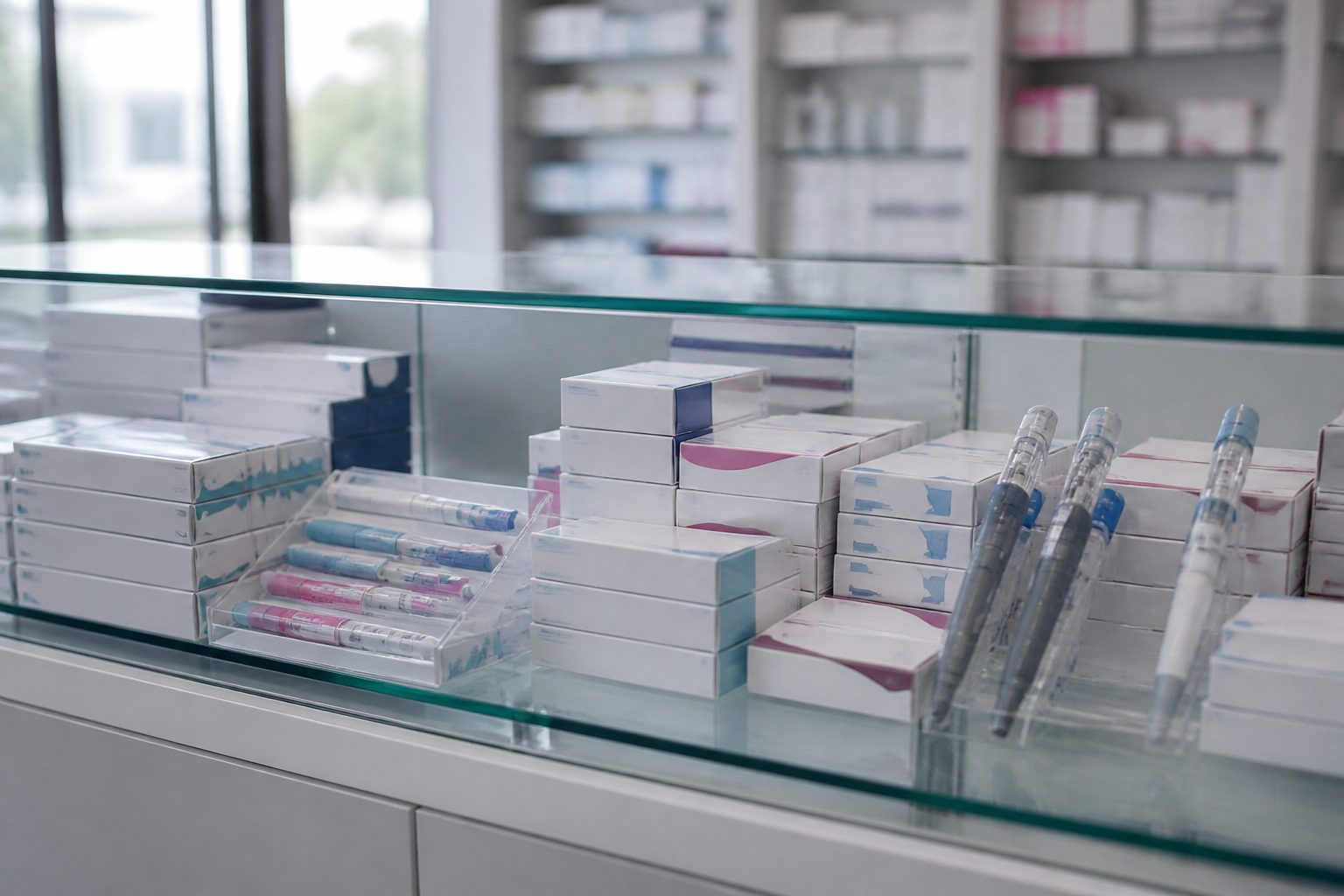
For people undergoing fertility treatment, the cost of injection pens for medications like FSH (follicle-stimulating hormone) can be a significant part of the overall expense. This guide compares typical prices for fertility injection pens in Spain and Malaysia, focusing on what patients and families can expect to pay at leading pharmacies and clinics.
In Spain, a cycle’s worth of fertility injection pens generally costs between $250 and $500. In Malaysia, the range is slightly lower, from about $200 to $450. Prices vary depending on the brand, whether you buy from a hospital or pharmacy, and if you choose a generic or original brand product.
What are fertility injection pens and who needs them?
Fertility injection pens are pre-filled, easy-to-use devices that deliver hormones like FSH (e.g., Gonal-f, Puregon, Bemfola) to stimulate the ovaries during IVF or other assisted reproduction cycles. They are prescribed for women with ovulation disorders, those undergoing IVF, or patients with unexplained infertility. Some men with hormonal infertility may also require similar injections. These pens are preferred for their precision, convenience, and reduced risk of dosing errors compared to traditional vials and syringes.
The cost of these pens is rarely covered by public insurance outside specific groups. Most patients pay privately, so knowing the price differences between countries can help with planning treatment abroad or sourcing medication.
Typical brands and generics available
The main international brands for fertility injection pens are Gonal-f (follitropin alfa, by Merck Serono), Puregon (follitropin beta, by MSD), and Bemfola (follitropin alfa, by Gedeon Richter). In some markets, biosimilar versions and generics are available, which can lower costs by 10–30% compared to the original brands.
Spain stocks all major brands, and major pharmacy chains usually offer both originals and generics. Malaysia also offers these brands, though availability of generics may be more limited and often requires a doctor’s prescription from a fertility clinic. Patients should expect slightly more paperwork in Malaysia, but both countries have robust pharmacy systems and high medication quality standards.
Price comparison: Spain vs Malaysia
Below is a comparison of typical prices for a single cycle (usually 900–1200 IU total) of FSH fertility injection pens in Spain and Malaysia. These prices reflect what a patient would pay at a major pharmacy or through a fertility clinic, excluding consultation and monitoring fees.
| Country | Brand (example) | Typical price per cycle | Generic/biosimilar option? | Where to buy |
|---|---|---|---|---|
| Spain | Gonal-f, Puregon, Bemfola | $250-$500 (€230-460) | Yes | Pharmacy chains, hospital pharmacies |
| Malaysia | Gonal-f, Puregon | $200-$450 (RM950-2,100) | Some | Clinic pharmacies, major private hospitals |
What is included in the price?
The quoted prices are for the medication only—specifically the pre-filled injection pens containing the required IU (international units) for one typical ovarian stimulation cycle. This does not include the cost of consultations, ultrasound monitoring, blood tests, or the IVF procedure itself. In Spain, a prescription is required, but most large pharmacy chains will fill fertility prescriptions from private or public clinics. Malaysia usually requires a prescription from a local fertility doctor, and some clinics dispense the pens directly to ensure cold chain supply.
Fertility pens must be kept refrigerated, so shipping and handling fees may apply if ordering online or from abroad. Some online pharmacies offer home delivery, but always check storage and delivery policies to avoid medication spoilage.
Hidden costs and what to watch for
While the cost of fertility injection pens is a major component of IVF expenses, patients should be aware of several additional costs that can add up quickly. In both Spain and Malaysia, you will need to budget for initial and ongoing consultation fees, which typically range from $50 to $120 per visit. These consultations may be required multiple times throughout your treatment cycle. Blood tests are another recurring expense, generally costing between $30 and $60 each, and are necessary to monitor hormone levels and adjust medication dosages. Ultrasound scans, which track ovarian response, are also essential and may be billed separately depending on the clinic.
In Spain, some public IVF programs offer partial or full coverage of medication costs for eligible residents, but most foreigners and those using private clinics must pay the full price for their fertility drugs. In Malaysia, it is common for private clinics to quote IVF package prices that do not include the cost of medications, so be sure to request a detailed breakdown before committing to treatment. Additionally, some clinics charge for medication administration training sessions if you are unfamiliar with using injection pens, adding another layer of expense.
Patients should be extremely cautious about sourcing medications from unlicensed or online sellers. Counterfeit fertility drugs are a global problem and can pose serious health risks or undermine your treatment success. Always purchase from registered pharmacies or clinic dispensaries, and request an official receipt and the medication’s batch number for traceability. This not only ensures the authenticity of your medication but also provides documentation in case of adverse reactions or recalls.
By understanding and planning for these hidden costs, patients can make more informed decisions and avoid financial surprises during their fertility journey.
Top pharmacy chains and buying options
Accessing fertility injection pens in Spain and Malaysia involves navigating different pharmacy systems and purchasing options. In Spain, leading pharmacy chains such as Farmacia El Corte Inglés and large, well-established independent pharmacies in cities like Madrid, Barcelona, and Valencia consistently stock a range of fertility medications. These pharmacies are highly regulated and typically have pharmacists experienced in assisting fertility patients. Hospital pharmacies are another reliable source, especially for patients undergoing treatment at affiliated clinics; these may offer better pricing or direct billing arrangements for certain medications. If you have a prescription from an EU doctor, it is generally accepted in Spanish pharmacies, but it’s wise to confirm acceptance before traveling to avoid delays or complications.
In Malaysia, most fertility medications, including injection pens, are dispensed through private hospital pharmacies—such as those found at KPJ, Pantai, and Gleneagles hospitals—or directly from fertility clinic in-house pharmacies. These outlets maintain strict cold chain protocols to ensure medication integrity. Some independent community pharmacies in major urban areas like Kuala Lumpur and Penang may carry fertility medications, but it’s advisable to call ahead, as stocks can be limited and special orders may be needed. Due to strict regulatory requirements and the need for temperature control, online pharmacies are rarely used for these products in Malaysia, and reputable clinics will typically discourage online purchases for safety reasons.
Regardless of country, always purchase from licensed pharmacies or official clinic dispensaries, and ask for a receipt and medication batch number. This ensures product authenticity and provides protection in case of any quality issues or recalls. Advance planning and communication with your pharmacy or clinic can help guarantee timely access to the medications you need.
Generic vs branded: Is it worth the savings?
Choosing between branded and generic (or biosimilar) fertility injection pens can have a significant impact on your overall treatment costs. Biosimilars and generics, such as Bemfola and Follitrope, typically offer savings of 10–30% compared to original branded pens like Gonal-f or Puregon. In Spain, these cost-effective alternatives are widely available and tightly regulated by the Spanish Agency of Medicines, ensuring they meet strict quality and safety standards. Many Spanish pharmacies and clinics routinely offer generics as an option, and pharmacists can provide guidance on their suitability for your protocol.
In Malaysia, biosimilar and generic options are becoming increasingly accessible, but original brands still dominate the market, especially in private clinics. This is often due to patient familiarity, brand loyalty, and the preferences of fertility specialists who may have more experience with certain products. However, as the Malaysian market evolves and more biosimilars gain regulatory approval, patients are likely to see greater choice and more competitive pricing.
Clinical research consistently shows that biosimilar fertility medications are just as effective and safe as their branded counterparts for most patients. Nevertheless, some fertility doctors may prefer to stick with specific brands due to established clinic protocols or perceived differences in efficacy. If you are self-funding your treatment, it is well worth discussing the option of generics or biosimilars with both your doctor and pharmacist. Be proactive in asking about cost-saving alternatives and ensure that any generic you use is approved by the relevant regulatory authority in Spain or Malaysia.
Ultimately, opting for generics or biosimilars can yield substantial savings without sacrificing treatment quality, provided you obtain them from reputable sources and under professional guidance.
How to save safely on fertility injection pens
To minimise costs without risking your treatment:
- Ask your doctor for a prescription that specifies the generic or biosimilar if you are comfortable with it.
- Buy the full cycle’s medication at once to avoid price fluctuations.
- Compare prices at several pharmacies (both in person and online, where legal and safe).
- Check with your clinic if they offer direct dispensing at a discount or as part of a package.
- Be wary of offers that seem too cheap or require purchase without prescription.
Some travel agencies that specialise in fertility tourism can arrange medication sourcing, but always check the licensing and reputation of these services before proceeding.
Planning tips for international patients
For international patients considering fertility treatment in Spain or Malaysia, thoughtful preparation is essential to avoid unexpected costs or logistical problems. Begin by consulting with your fertility specialist about the exact medications you’ll need, including dosages and preferred brands or generics. Request your prescription in English, and have it professionally translated into Spanish or Malay if possible—this can help avoid confusion at pharmacies and speed up the dispensing process.
Before you travel, contact your chosen clinic or a reputable pharmacy in your destination country to confirm the availability of your required medication. Some fertility drugs, especially specific brands or biosimilars, may not always be in stock, particularly during public holidays or busy periods. Reserving your medication in advance is highly recommended, and some clinics can assist with this process.
When flying, always pack fertility medications in your hand luggage, not checked baggage, to avoid loss or exposure to extreme temperatures. Use a medical cooler pack to keep temperature-sensitive pens stable, and carry a doctor’s letter explaining your need for these medications. Both Spain and Malaysia permit the import of prescription fertility drugs for personal use, provided you have the necessary documentation. However, customs regulations can change, so check the latest requirements on official government websites before your trip. Be prepared to declare your medication at customs if requested, and ensure all packaging and prescriptions are clearly labeled with your name and dosage instructions.
By planning ahead, communicating with healthcare providers, and keeping thorough documentation, international patients can minimize stress and ensure their fertility treatment proceeds smoothly and safely.
The bottom line
Fertility injection pens represent one of the most substantial expenses in the overall cost of IVF and other assisted reproductive treatments. The price of these pens can vary significantly depending on the country, the specific medication, and whether you opt for branded or generic versions. In Spain, strict health regulations ensure that all fertility medications are high-quality and dispensed through licensed pharmacies, which helps maintain safety and efficacy standards. Prices in Spain are generally competitive with other Western European countries, although they may be higher than in many Asian countries due to labor and regulatory costs. Malaysia, by contrast, offers similarly regulated and high-quality fertility medications, but the overall cost is often lower due to reduced overheads and a competitive private healthcare market.
For patients seeking to manage costs, several practical strategies can help. Planning your medication needs in advance, considering the use of generics or biosimilars, and selecting reputable pharmacies or hospital dispensaries are all important steps. In both Spain and Malaysia, generics can offer significant savings without compromising on effectiveness or safety, provided they are sourced from official outlets. Patients should also be aware that prices can fluctuate based on currency exchange rates, import taxes, and local demand.
Ultimately, whether you choose Spain or Malaysia for your fertility treatment, it is possible to access quality medications at prices that are competitive internationally. However, careful planning, price comparison, and awareness of local regulations are key to ensuring you get the best value without risking your health or treatment outcomes.
Frequently asked questions
How do I get a prescription for fertility injection pens in Spain or Malaysia?
You need a prescription from a licensed fertility specialist or gynaecologist in the country where you are buying the medication. Most clinics will provide this after your initial assessment. Bring your medical records and previous prescriptions if you are transferring care from abroad.
Can I bring my own fertility medication when travelling for IVF?
Yes, you can usually bring your own prescribed medication for personal use, but you should carry a doctor’s letter, the original packaging, and declare it at customs if required. Check the specific import rules for Spain and Malaysia before travel to avoid issues at the border.
Are online pharmacies safe for buying fertility injection pens?
Only use licensed, well-known online pharmacies that require a prescription and offer proper cold chain delivery. Avoid unverified sellers, as counterfeit medications are a known risk. When in doubt, buy directly from a hospital or clinic pharmacy.
Is there a quality difference between generics and branded fertility injection pens?
No significant difference exists in quality or effectiveness for most patients, as generics and biosimilars are strictly regulated. Some clinics may have preferences, but both options are considered safe and effective by regulatory authorities in Spain and Malaysia.
How much medication will I need for one IVF cycle?
A typical IVF stimulation cycle requires between 900–1,200 IU of FSH, but this can vary depending on your protocol and response. Your fertility doctor will prescribe the exact amount needed for your treatment plan.
Related guides
Disclaimer: Prices are indicative and may vary by case, location, and pharmacy. Always request a written quote and consult a qualified doctor or pharmacist before purchasing or using any prescription medication.