
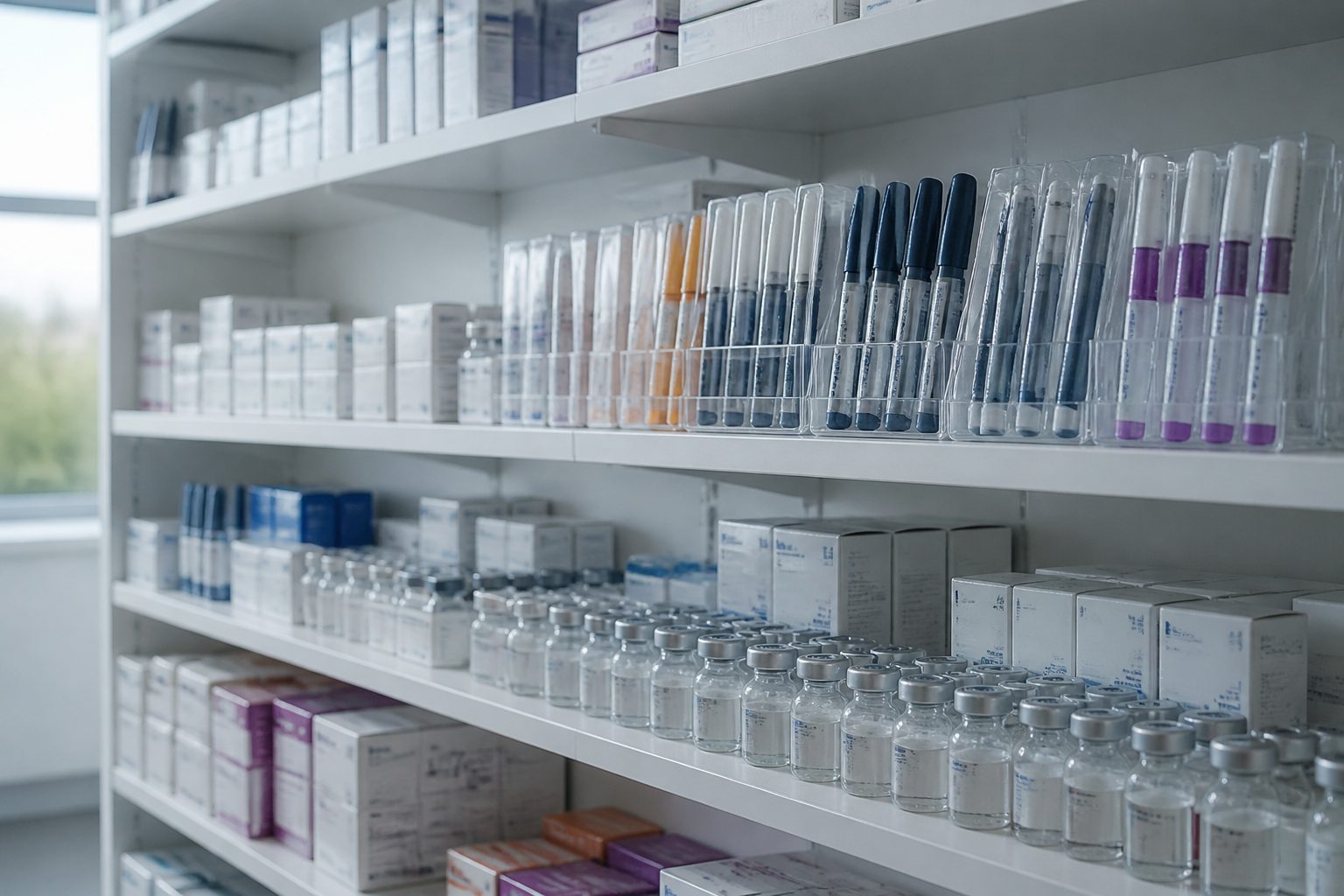
If you or a family member relies on insulin, understanding prices worldwide can help you manage costs, especially if you travel or buy medicines abroad. Insulin prices vary dramatically: India offers some of the lowest prices, while the US remains the most expensive, with the UK and Germany falling in between.
This guide compares insulin costs in India, the USA, the UK, and Germany. We cover retail prices, generic and branded options, how insurance or subsidies affect out-of-pocket costs, and what to expect at pharmacies and online stores in each country.
Insulin price comparison: India, USA, UK, and Germany
Insulin is a life-saving medication for millions with diabetes. The cost to patients depends on the country, insurance coverage, and the type of insulin (human, analog, vial, pen, or cartridge). Here is an overview of what you can expect to pay for a 10ml vial or equivalent (usually 1000 IU) of commonly used insulins in each country. Prices are for out-of-pocket retail purchases without insurance, unless otherwise noted.
| Country | Typical retail price per vial (USD) | Local price (approx.) | Notes |
|---|---|---|---|
| India | $2–7 | ₹170–600 | Widest choice of generics and biosimilars; low-cost brands available |
| USA | $100–300 | — | Prices before insurance or copay cards; uninsured pay highest rates |
| UK | $25–45 | £20–35 | Most patients pay £9.65 per prescription item or receive free under NHS |
| Germany | $28–40 | €25–36 | Usually covered by statutory health insurance after small copay |
What is included in the price
The prices cited in insulin comparisons are typically for a standard 10ml vial or an equivalent cartridge or prefilled pen of either human or analog insulin, as purchased directly from a pharmacy without the benefit of insurance or government subsidies. What you actually receive for this price can vary somewhat by country and by the specific insulin format.
In India, the lowest prices generally apply to locally produced generic (biosimilar) human insulins, which are manufactured by Indian pharmaceutical companies under strict government price controls. More advanced or imported analog insulins—such as insulin glargine or lispro—are available at higher prices, reflecting both the cost of importation and brand premiums. Indian pharmacies usually sell insulin as a standalone item, so the price does not include syringes, needles, or insulin pens unless a special kit is offered, which is rare.
In the United States, the listed price is the retail cost before any manufacturer rebates, insurance discounts, or pharmacy savings programs are applied. This is the price uninsured patients would pay at the counter. Insulin is sold per vial or per box of pens/cartridges, and does not include injection devices or monitoring supplies. Some pharmacies offer their own discount brands (such as Walmart’s ReliOn), but these are still sold separately from accessories.
In the UK and Germany, most residents are covered by the NHS or statutory health insurance, respectively. This means that, for eligible patients, insulin is either free or subject to a nominal prescription charge (such as £9.65 per item in England, with exemptions for chronic illnesses like diabetes). Non-residents, private patients, or those purchasing outside the public system will pay the full retail price at the pharmacy. As in other countries, the price covers only the insulin itself—needles, syringes, or pens are dispensed separately unless specifically prescribed as part of a starter kit.
In summary, the quoted insulin price is for the medicine only, and typically covers a single vial, cartridge, or pen without accessories. Patients should always check whether additional supplies are needed and how these are priced in their country’s health system.
Why insulin prices differ between countries
Several factors drive the wide gap in insulin pricing:
- Regulation: India’s government sets price caps for essential medicines, including insulin, and encourages local production and generics. In contrast, the US has no price controls on insulin.
- Market structure: The US relies on a few major manufacturers who dominate both branded and authorized generic markets. India’s market is more fragmented, with many domestic producers.
- Insurance and subsidies: In the UK and Germany, national health systems subsidize insulin, making it affordable or free for most patients. In the US, insurance coverage varies widely, and uninsured patients face the highest costs.
- Import duties and taxes: Some countries levy import taxes on medicines, which can raise prices if local production is limited.
- Distribution and pharmacy margins: Pharmacy markups and distribution costs can add to the final price, especially in private healthcare systems.
Generic vs branded insulin: what’s available where
The availability and pricing of generic (biosimilar) versus branded insulins differ significantly between India, the USA, the UK, and Germany, influencing both patient choice and affordability.
India: The Indian insulin market is notable for its wide range of locally manufactured generic and biosimilar insulins. Major domestic pharmaceutical companies such as Biocon, Wockhardt, Lupin, and others produce human and analog insulins at prices often a fraction of imported brands. These generics are strictly regulated for quality and are available in various formats, including vials, cartridges, and prefilled pens. While imported brands from Novo Nordisk, Sanofi, and Eli Lilly are also available, they typically cost significantly more. Patients often have the flexibility to choose between generics and branded options, depending on doctor recommendations and personal preference. Government price controls help keep generics affordable, making insulin accessible to a larger segment of the population.
USA: In the United States, the market is dominated by major branded insulins such as Humalog, Novolog, and Lantus, produced by Eli Lilly, Novo Nordisk, and Sanofi, respectively. While a few authorized generics and biosimilars have entered the market (e.g., Insulin Lispro, Semglee), their prices are often only modestly lower than branded versions. This is due in part to complex distribution agreements, pharmacy benefit manager markups, and limited competition. True biosimilar uptake has been slow, and many pharmacies primarily stock brand-name products. Patients may find it difficult to access lower-cost options without insurance or manufacturer assistance programs, and switching between brands or types should always be supervised by a healthcare professional.
UK and Germany: The insulin markets in the UK and Germany are dominated by a handful of large multinational brands, but the introduction of biosimilar insulins has begun to increase competition and provide alternatives. In these countries, most patients receive the insulin that is covered by the NHS (UK) or statutory insurance (Germany), which may be a branded product or a biosimilar, depending on local procurement policies. Patients can request a specific brand or generic, but the final dispensed product depends on availability and the prescriber’s choice. Public health systems negotiate prices directly with manufacturers, which helps keep costs manageable for both branded and biosimilar insulins.
In summary, India offers the broadest choice of affordable generics, the US market remains brand-centric with limited cheaper alternatives, and the UK and Germany are gradually integrating biosimilars into their public health systems, providing patients with safe and cost-effective options.
Buying insulin at pharmacy chains and online
India has a mix of national pharmacy chains (Apollo, MedPlus, 1mg/PharmEasy) and independent stores. Prices are generally lower at large chains, and online pharmacies often offer discounts. Always check for proper storage and avoid buying from unlicensed sellers.
In the US, major chains like CVS, Walgreens, and Walmart stock all major insulin brands. Walmart offers a low-cost human insulin (ReliOn) for around $25 per vial, but most analog insulins are far more expensive. Prescription is always required. Online ordering is possible for refills, but cross-border importation is restricted.
In the UK, Boots, Lloyds, and independent chemists dispense insulin with a prescription. Most patients pay a standard prescription charge unless exempt. Online ordering for home delivery is available for repeat prescriptions.
In Germany, pharmacies (Apotheke) stock major brands, and online ordering is legal for prescription medicines within the EU. Most patients pay a small copay, with the rest reimbursed by insurance.
Hidden costs and what is not included
When evaluating insulin prices across India, the USA, the UK, and Germany, it is essential to recognize that the sticker price of insulin rarely reflects the full cost of diabetes management. Several necessary items and services are typically not included in the price of insulin itself, and these can add up significantly depending on the country and individual circumstances.
First, essential diabetes supplies such as syringes, pen needles, lancets, and blood glucose monitoring devices (glucometers, test strips) are usually sold separately. In India, these accessories are widely available and generally affordable due to local manufacturing and government price controls. A box of 100 syringes or pen needles may cost just a few dollars (₹100–300), and test strips are also competitively priced. However, in the United States, these same supplies can be a substantial financial burden, especially for uninsured patients. For example, a box of 100 pen needles can cost $30–$50, and test strips can be $1 or more per strip. Insurance coverage varies: some plans cover these items partially or fully, while uninsured individuals must pay out of pocket.
Another often-overlooked set of costs includes medical appointments, laboratory tests (such as HbA1c, kidney function, and cholesterol), and diabetes education programs. In the UK and Germany, these services are generally covered by the National Health Service (NHS) or statutory health insurance, meaning patients pay little or nothing directly. In contrast, in India and the US, costs can vary widely by provider, city, and whether the patient is accessing public or private healthcare. A specialist consultation in a major Indian city might cost ₹500–2,000 ($6–$25), while in the US, an endocrinologist visit can exceed $200 without insurance.
Additional hidden costs may include transportation to clinics, time off work for appointments, and the need for emergency supplies. For those using insulin pumps or continuous glucose monitors, ongoing maintenance and replacement parts are another expense. Ultimately, the total cost of diabetes care goes far beyond the price tag on an insulin vial or pen, and patients should budget for these additional necessities when comparing international insulin prices.
How to save money safely on insulin
- India: To minimize costs, request locally manufactured generic or biosimilar insulins from reputable pharmacy chains, as these are subject to government price caps (MRP) and are often much cheaper than imported brands. Always check the packaging for the official price and verify the manufacturer. Consider purchasing from government-run Jan Aushadhi stores, which specialize in affordable generics. If you are eligible for state health schemes or insurance, ask your doctor about coverage options. Regularly consult your healthcare provider before switching brands or formulations to ensure safety and therapeutic equivalence.
- USA: Explore pharmacy discount programs (such as GoodRx), manufacturer copay assistance cards, and patient assistance programs offered by major insulin producers. Some big-box retailers, like Walmart, offer their own brands (e.g., ReliOn) at significantly lower prices, though not all types of insulin are available this way. If you have insurance, check your plan’s formulary for preferred brands and coverage levels. Discuss with your doctor whether a less expensive insulin type is clinically appropriate before making any changes. For those struggling to afford insulin, nonprofit organizations and state-level assistance programs may provide temporary relief.
- UK and Germany: If you are a resident, ensure you are registered with a general practitioner (GP) and enrolled in the NHS (UK) or statutory health insurance (Germany). These systems cover insulin and most diabetes supplies for eligible patients, often with no out-of-pocket cost or a small prescription fee. In the UK, patients with diabetes are typically exempt from prescription charges—ask your GP for a medical exemption certificate if you qualify. In Germany, co-pays are minimal for chronic illness care. If your income is low or you have additional needs, inquire about further exemptions or support programs.
- General safety tips: Never purchase insulin from unlicensed online pharmacies, street vendors, or import it without a valid prescription. Insulin is a temperature-sensitive medication, and improper storage or counterfeit products can be dangerous. Customs authorities may also seize shipments that do not comply with local regulations. Always source your insulin from licensed pharmacies and consult your healthcare provider before making any changes to your treatment.
By understanding your local healthcare system, exploring official discount programs, and prioritizing safety, you can reduce your out-of-pocket insulin costs without compromising your health.
Other common diabetes medicines and devices: a brief comparison
Managing diabetes often involves much more than just insulin. Patients may also require oral medications, regular blood glucose monitoring, and advanced devices to maintain optimal control and prevent complications. The cost and accessibility of these supplementary medicines and devices can vary dramatically by country, impacting overall diabetes care.
- India: Oral medications such as metformin and glimepiride are widely available at very low prices, with a typical month’s supply of metformin costing only $1–2 (₹80–160). Blood glucose meters (glucometers) are also affordable, ranging from $10–20 (₹800–1,600), and test strips—an ongoing expense—cost $8–15 (₹650–1,200) for 50 strips. While continuous glucose monitors (CGMs) and insulin pumps are available in larger cities and private hospitals, they are often imported and can be prohibitively expensive for most patients, with limited insurance coverage. As a result, most people rely on fingerstick testing and multiple daily injections.
- USA: The cost landscape is highly variable. Oral diabetes medicines like metformin are generally inexpensive with insurance or discount programs, but the price can rise sharply for brand-name drugs or uninsured patients. Advanced devices, such as CGMs (Dexcom, FreeStyle Libre) and insulin pumps, can cost hundreds to thousands of dollars per month if not covered by insurance. Even with coverage, copays and deductibles may apply. Test strips and lancets add to the ongoing costs, and coverage for these items depends on the specific insurance plan.
- UK and Germany: Both countries offer comprehensive coverage for diabetes medicines and devices through their public health systems. Most patients are eligible to receive oral medications, insulin, blood glucose meters, test strips, and even advanced devices like CGMs and pumps with little to no out-of-pocket expense. In the UK, prescription charges are typically waived for people with diabetes, while in Germany, statutory insurance covers essential diabetes supplies with minimal copays. Access to newer devices may require specialist approval, but financial barriers are relatively low compared to India and the US.
In summary, while basic diabetes medicines are affordable in India and generally covered in the UK and Germany, the US stands out for its high device costs and insurance-dependent pricing. Patients should always check what is included in their health coverage and budget for ongoing supply needs, especially for advanced monitoring and delivery systems.
Frequently asked questions
How much insulin does a typical patient need per month?
The average adult with type 1 diabetes may use 2–3 vials (or equivalent in pens/cartridges) per month, but this varies by body weight, diet, and insulin type. Type 2 diabetes patients may need less. Always follow your doctor’s prescription.
Can I bring insulin from one country to another?
Most countries allow you to carry a personal supply of prescribed insulin when traveling, but quantities may be limited (usually up to 3 months). Always carry a prescription and keep insulin in its original packaging. Check import rules for your destination.
Is it safe to buy insulin online?
Buy insulin only from licensed pharmacies or government-approved online platforms. Avoid unregulated websites, as counterfeit or poorly stored insulin can be dangerous. In some countries, importing insulin without a prescription is illegal.
Why is insulin so much cheaper in India?
India’s government regulates prices for essential medicines, supports local generic production, and has a competitive market. This keeps insulin prices low compared to countries with less regulation or more reliance on imported brands.
Does insurance cover insulin in the US, UK, or Germany?
In the US, coverage depends on your insurance plan and may involve high copays or deductibles. In the UK and Germany, insulin is covered for most patients under public health systems, with minimal or no out-of-pocket cost.
Related guides
Disclaimer: Prices in this guide are indicative and may vary by region, pharmacy, and brand. Always consult a qualified doctor for medical advice and obtain a written quote before purchasing medicines or devices.