
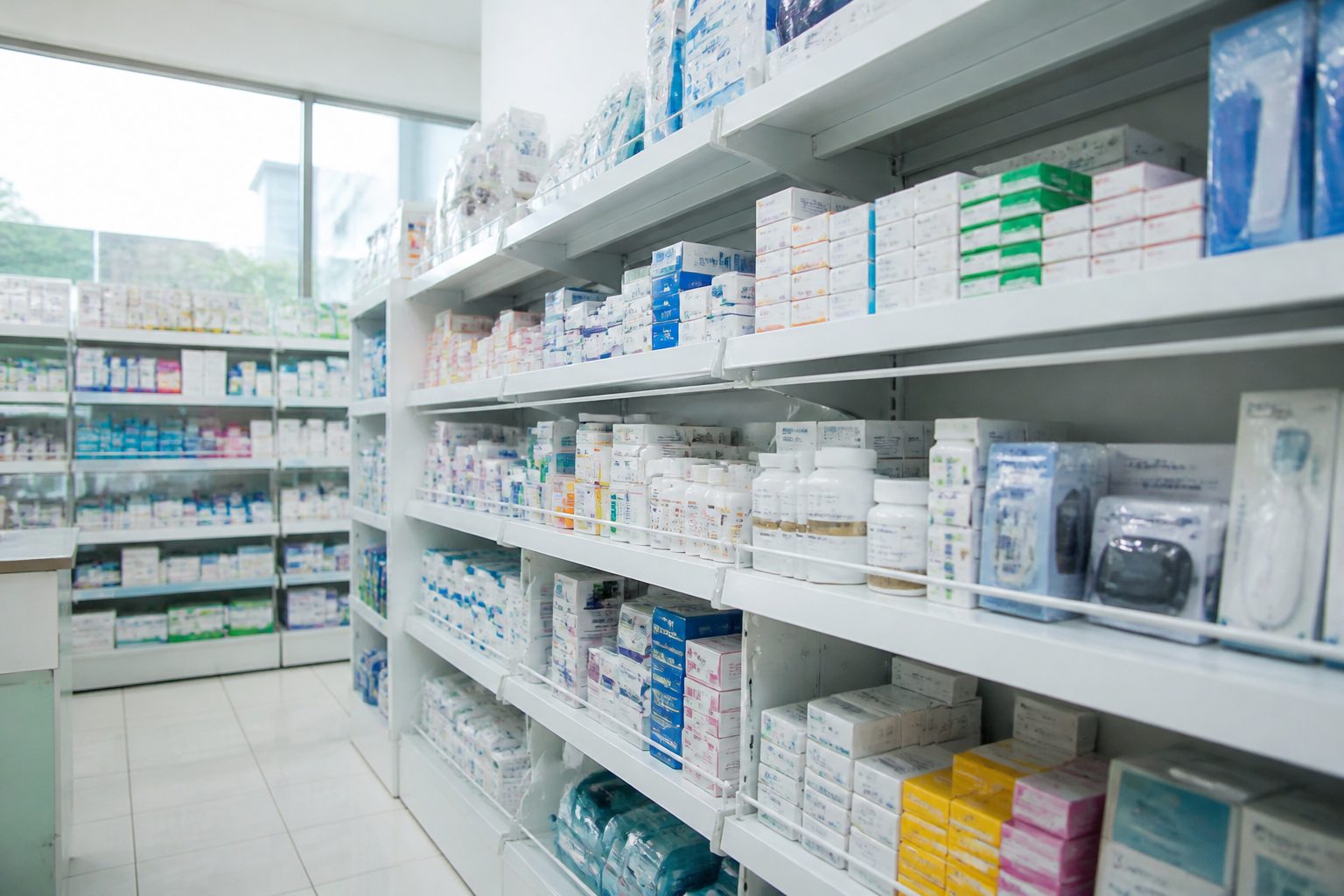
This guide is for anyone comparing pharmacy chains in Southeast Asia for common medicines and medical devices. We focus on costs for insulin, blood pressure and cholesterol drugs, inhalers, antibiotics, fertility medications, and everyday health devices.
Expect wide price differences between countries, chains, and between generics and branded products. Below, we profile the top 10 pharmacy chains, show what medicines and devices cost, and outline how to save safely.
How we chose these
These pharmacy chains were selected for their scale in Southeast Asia, specialty depth, prescription and non-prescription product range, and transparency on medicine and device prices. Accreditation, international patient services, and the ability to source both branded and generic medications also factored in. We focused on chains with broad reach, which are reliable for both locals and medical travelers.
1. Watsons, Kuala Lumpur
Watsons is Asia’s largest health and beauty pharmacy chain, with extensive outlets in Malaysia and across Southeast Asia. It is well-known for its wide selection of prescription drugs, over-the-counter medicines, and health devices. Watsons offers both branded and generic medications, and regularly runs promotions on health essentials, making it popular for cost-conscious shoppers.
International visitors appreciate Watsons’ English-speaking staff and clear pricing. Many outlets are located in malls and tourist districts. They also stock a solid range of medical devices like glucometers and blood pressure monitors, but prices for imported brands can be high compared to generics.
Indicative cost: Prescription antibiotics from $6-$12 (RM28-56) per course; insulin $18-$28 (RM85-132) per vial; common inhalers $7-$20 (RM33-94); glucometer $22-$45 (RM104-213).
2. Guardian, Singapore
Guardian is a leading pharmacy and personal care retailer in Singapore and throughout Southeast Asia. Known for its professional pharmacy services, Guardian stocks a comprehensive range of prescription and OTC medicines, plus medical devices. Prices are typically higher than in neighboring Malaysia or Indonesia, especially for branded medications.
Guardian’s Singapore outlets are JCI accredited and cater to international patients, with clear English labeling. They also offer online ordering and express collection. Devices such as CPAP machines and hearing aids are stocked, though complex devices may require ordering in advance.
Indicative cost: Generic antibiotics $10-$18 (S$13-24); insulin $28-$40 (S$38-54); asthma inhalers $15-$38 (S$20-51); glucometer $38-$60 (S$51-80).
3. Pharmacity, Ho Chi Minh City
Pharmacity is Vietnam’s largest pharmacy chain, with hundreds of outlets nationwide. It is known for competitive prices on generic medicines and a growing range of branded drugs. Pharmacity’s expansion has improved access to quality-controlled medicines, especially in urban centers.
International customers will find English-speaking pharmacists in major outlets. The chain is a good option for affordable generics, but imported brands may be less available. Popular devices like blood pressure monitors and glucometers are stocked, but advanced devices (CPAP, hearing aids) are less common.
Indicative cost: Generic antibiotics $3-$7 (70,000-160,000₫); insulin $10-$20 (230,000-460,000₫); inhalers $5-$12 (115,000-275,000₫); glucometer $18-$34 (410,000-770,000₫).
4. Boots, Bangkok
Boots is an international pharmacy chain with a strong presence in Thailand, especially Bangkok. It is known for a broad mix of Western and local medicine brands, and a wide range of health and beauty products. Boots outlets often have English-speaking staff and transparent pricing, making them a favorite among expats and tourists.
Boots Thailand stocks both prescription and OTC drugs, including fertility drugs and asthma inhalers. Medical devices such as glucometers, blood pressure monitors, and basic wheelchairs are available, but high-end devices are usually referred to specialist suppliers.
Indicative cost: Branded antibiotics $8-$16 (฿290-580); insulin $20-$32 (฿730-1,170); inhalers $10-$28 (฿365-1,020); glucometer $25-$48 (฿900-1,720).
5. Mercury Drug, Manila
Mercury Drug is the Philippines’ largest and oldest pharmacy chain, with thousands of outlets nationwide. It is known for its vast selection of medicines, including hard-to-find drugs and a strong inventory of generics. Mercury Drug is a staple for both prescription and non-prescription needs, and offers 24-hour branches in major cities.
International patients value Mercury Drug’s reliable stock and English-speaking staff. Devices such as glucometers, nebulizers, and blood pressure monitors are widely available, but items like CPAP machines and hearing aids may need to be ordered or sourced from medical suppliers.
Indicative cost: Generic antibiotics $4-$10 (₱220-550); insulin $12-$24 (₱660-1,320); inhalers $6-$18 (₱330-990); glucometer $20-$36 (₱1,100-2,000).
6. Kimia Farma, Jakarta
Kimia Farma is Indonesia’s leading state-owned pharmacy chain, with a network across cities and rural areas. It is recognized for quality assurance, a broad range of essential medicines, and affordable generic drugs. Kimia Farma also produces its own pharmaceuticals, often at lower prices than imports.
International customers can expect basic English support in Jakarta outlets. The chain offers prescription and OTC drugs, fertility medications, and devices like glucometers and blood pressure monitors. Advanced devices are less common, but can be ordered in some branches.
Indicative cost: Generic antibiotics $3-$8 (Rp45,000-120,000); insulin $11-$21 (Rp165,000-320,000); inhalers $5-$15 (Rp75,000-225,000); glucometer $17-$32 (Rp250,000-470,000).
7. K-24, Jakarta
K-24 is Indonesia’s largest 24-hour pharmacy chain, offering round-the-clock access to prescription and OTC medicines. It is known for its reliable stock of generics, competitive pricing, and nationwide reach. K-24 caters to urgent needs, making it a go-to for travelers and locals alike.
Most major outlets have English-speaking pharmacists. K-24 pharmacies are convenient for last-minute purchases of common drugs and devices like blood pressure monitors and glucometers. High-tech devices are limited but can sometimes be ordered for pickup.
Indicative cost: Generic antibiotics $3-$8 (Rp45,000-120,000); insulin $12-$23 (Rp180,000-350,000); inhalers $5-$15 (Rp75,000-225,000); glucometer $18-$35 (Rp270,000-525,000).
8. Fascino, Bangkok
Fascino is a Thai pharmacy and health store chain with a focus on professional in-store pharmacists. It is respected for its thorough medicine advice and extensive range of prescription and OTC products. Fascino is popular with locals for its attentive service and with medical travelers for English language support in central outlets.
Fascino stocks fertility drugs, asthma inhalers, and a good selection of generic and branded medicines. Medical devices, including blood pressure monitors and glucometers, are available, but specialized devices may need to be sourced elsewhere.
Indicative cost: Generic antibiotics $7-$14 (฿250-510); insulin $18-$30 (฿650-1,100); inhalers $9-$22 (฿330-800); glucometer $22-$40 (฿790-1,440).
9. Unity Pharmacy, Singapore
Unity Pharmacy is operated by NTUC FairPrice and is a popular choice for Singaporeans seeking affordable prescription and OTC medicines. Unity is known for its focus on quality generics, wellness products, and competitive pricing on basic medical devices.
Unity outlets in Singapore are well-organized, with English labeling and pharmacists who can advise on medicine alternatives. The chain also offers online ordering and click-and-collect. Devices such as glucometers and blood pressure monitors are available, but specialist equipment may need to be ordered from medical suppliers.
Indicative cost: Generic antibiotics $10-$16 (S$13-22); insulin $28-$38 (S$38-52); inhalers $14-$36 (S$19-49); glucometer $35-$58 (S$48-80).
10. Matsumoto Kiyoshi, Bangkok
Matsumoto Kiyoshi is a major Japanese pharmacy chain expanding into Southeast Asia, including several outlets in Bangkok. It is known for stocking a mix of Japanese and international medicines, health supplements, and beauty products. Matsumoto Kiyoshi outlets are modern and offer clear English-language signage.
The selection of prescription medicines is somewhat smaller than at local giants, but the chain is valued for quality and product authenticity. Medical devices such as glucometers and blood pressure monitors are available, but advanced devices are limited.
Indicative cost: Generic antibiotics $8-$15 (฿290-540); insulin $20-$32 (฿730-1,170); inhalers $10-$26 (฿365-950); glucometer $25-$44 (฿900-1,580).
| Rank | Hospital | City | Known for | Indicative cost |
|---|---|---|---|---|
| 1 | Watsons | Kuala Lumpur | Largest health and beauty pharmacy chain in Asia | Antibiotics $6-$12, insulin $18-$28, inhalers $7-$20, glucometer $22-$45 |
| 2 | Guardian | Singapore | Major pharmacy and personal care retailer in Southeast Asia | Antibiotics $10-$18, insulin $28-$40, inhalers $15-$38, glucometer $38-$60 |
| 3 | Pharmacity | Ho Chi Minh City | Vietnam’s largest pharmacy chain | Antibiotics $3-$7, insulin $10-$20, inhalers $5-$12, glucometer $18-$34 |
| 4 | Boots | Bangkok | International pharmacy chain with strong presence in Thailand | Antibiotics $8-$16, insulin $20-$32, inhalers $10-$28, glucometer $25-$48 |
| 5 | Mercury Drug | Manila | Philippines’ largest and oldest pharmacy chain | Antibiotics $4-$10, insulin $12-$24, inhalers $6-$18, glucometer $20-$36 |
| 6 | Kimia Farma | Jakarta | Indonesia’s leading state-owned pharmacy chain | Antibiotics $3-$8, insulin $11-$21, inhalers $5-$15, glucometer $17-$32 |
| 7 | K-24 | Jakarta | Indonesia’s largest 24-hour pharmacy chain | Antibiotics $3-$8, insulin $12-$23, inhalers $5-$15, glucometer $18-$35 |
| 8 | Fascino | Bangkok | Thai pharmacy and health-store chain with in-store pharmacists | Antibiotics $7-$14, insulin $18-$30, inhalers $9-$22, glucometer $22-$40 |
| 9 | Unity Pharmacy | Singapore | Popular pharmacy chain operated by NTUC FairPrice | Antibiotics $10-$16, insulin $28-$38, inhalers $14-$36, glucometer $35-$58 |
| 10 | Matsumoto Kiyoshi | Bangkok | Japanese pharmacy chain with Southeast Asian expansion, including Thailand | Antibiotics $8-$15, insulin $20-$32, inhalers $10-$26, glucometer $25-$44 |
What drives the price of medicines and devices?
Prices for medicines and medical devices differ sharply across Southeast Asia. Key factors include government regulation, local production, import duties, and pharmacy chain mark-ups. Generic medicines are typically 30-80% cheaper than branded equivalents, but the price gap varies by country and product. For example, insulin is often more affordable in Indonesia and Vietnam than in Singapore or Thailand, especially for generics.
Devices like glucometers, blood pressure monitors, and wheelchairs are usually imported and can carry a premium at major chains. Insurance coverage is limited for outpatient medicine and devices in most Southeast Asian countries, so most purchases are out-of-pocket. Bulk-buy discounts and loyalty programs can help reduce costs at larger chains.
Generic vs branded medicines: what to expect
Generic medicines in Southeast Asia are subject to national drug quality standards. In most cases, generics contain the same active ingredients as branded drugs and are equally effective. However, patients may notice differences in packaging, pill color, or non-active ingredients. Pharmacies like Kimia Farma, Mercury Drug, and Pharmacity have a strong focus on generics, while chains like Boots and Watsons offer a mix of both.
For chronic conditions such as diabetes, hypertension, or high cholesterol, switching to generics can result in significant savings. Always ask the pharmacist if a generic equivalent is available and suitable for your prescription. In some countries, doctors may write prescriptions using only the branded name, so clarification may be needed.
Online pharmacies and home delivery
Most major pharmacy chains now offer online ordering and home delivery, especially in urban areas. This is convenient for refilling chronic medicines or ordering devices. However, prescription verification is strictly enforced in Singapore and Malaysia, while Vietnam and Indonesia may have more relaxed controls for non-narcotic drugs.
Online prices may differ from in-store prices due to promotions or delivery fees. Always use official chain websites or accredited platforms to avoid counterfeit medicines. Some chains, such as Guardian and Unity, also offer telepharmacy services, allowing patients to consult pharmacists remotely.
Medical device prices: CPAP, glucometers, wheelchairs and more
Medical device prices vary by brand, model, and country. Glucometers generally cost $17-$60 across the region, with test strips sold separately. Blood pressure monitors range from $22-$80. Basic wheelchairs are available at larger chains like Mercury Drug and Watsons for $75-$180, but specialist models may require ordering directly from suppliers. CPAP machines and home oxygen concentrators are less commonly sold in regular pharmacies and may need to be sourced from dedicated medical device shops or hospital suppliers, with prices starting from $350-$700 for entry-level models.
Hearing aids are rarely stocked by pharmacy chains and are best sourced from audiology clinics or specialist stores. Always check warranty and after-sales support, especially for imported devices.
How to save safely on medicines and devices
To save on prescription medicines, ask for locally produced generics and compare prices at several chains. Take advantage of loyalty programs, mobile app discounts, and bulk purchase offers. For devices, consider buying during health fairs or promotional periods. If you need ongoing supplies (such as test strips or inhalers), look for subscription services offered by some chains’ online platforms.
Never buy prescription medicines or devices from unlicensed online sellers or informal markets, as counterfeits are a known risk in the region. Always request a receipt and check packaging for proper labeling and expiry dates. If you have a chronic condition, ask your doctor for a prescription that allows for generic substitution.
How to choose the right pharmacy chain
When choosing a pharmacy chain, consider convenience, product range, staff expertise, and price transparency. Major chains in capital cities usually have English-speaking staff and better selection of imported brands. For international patients, chains with online ordering and delivery can be especially useful.
Look for pharmacies accredited by local health authorities or with JCI/NABH accreditation where available. If you require specialist medicines or devices, call ahead to check availability. For fertility drugs or devices like CPAP, you may need to visit several chains or use hospital pharmacies.
Planning your purchase: practical tips
Bring a clear prescription (in English and local language, if possible) and keep a record of your medicines and devices. Ask about generic options and price differences before purchasing. If you are traveling, check import regulations for medicines and devices in your destination country, as some items may require import permits or documentation.
For high-value devices, compare after-sales service and warranty terms. If you need ongoing supplies, set up repeat orders with a trusted chain. Always verify the pharmacy’s license and avoid suspiciously low-priced products. If in doubt, consult a local doctor or pharmacist.
Frequently asked questions
Can I buy prescription medicines without a prescription in Southeast Asia?
Regulations vary by country. In Singapore and Malaysia, a valid prescription is usually required for antibiotics, insulin, and chronic condition drugs. In Indonesia, Vietnam, and the Philippines, enforcement is less strict for some medicines, but controlled substances always require a prescription. Always bring your prescription to avoid delays.
Are medical devices like glucometers and CPAP machines covered by insurance?
Most outpatient medicines and devices are not covered by public insurance in Southeast Asia, except for certain chronic disease programs. Some private insurance plans may reimburse device purchases, but this is not common. Always check with your insurer and request itemized receipts for claims.
How do I ensure I am buying genuine medicines and devices?
Buy only from reputable chains and official online platforms. Check packaging for security seals, expiry dates, and manufacturer details. Avoid street markets or unlicensed sellers, as counterfeit medicines and devices are a risk in the region.
Are generics as safe and effective as branded medicines?
Yes, generics approved by national authorities meet safety and efficacy standards. They contain the same active ingredients as branded drugs. Differences may exist in packaging or inactive ingredients, but generics are a reliable way to save on costs for most patients.
Can I order medicines online for delivery to my hotel or home?
Many major chains offer online ordering and delivery in urban areas. Prescription verification is required for most chronic medicines. Delivery times vary from same-day to 2-3 days. Always use official chain websites or apps to avoid counterfeit products.
Related guides
Disclaimer: Prices and product availability are indicative and vary by location, product type, and individual case. Always get a written quote and consult a qualified pharmacist or doctor before purchasing medicines or devices.