
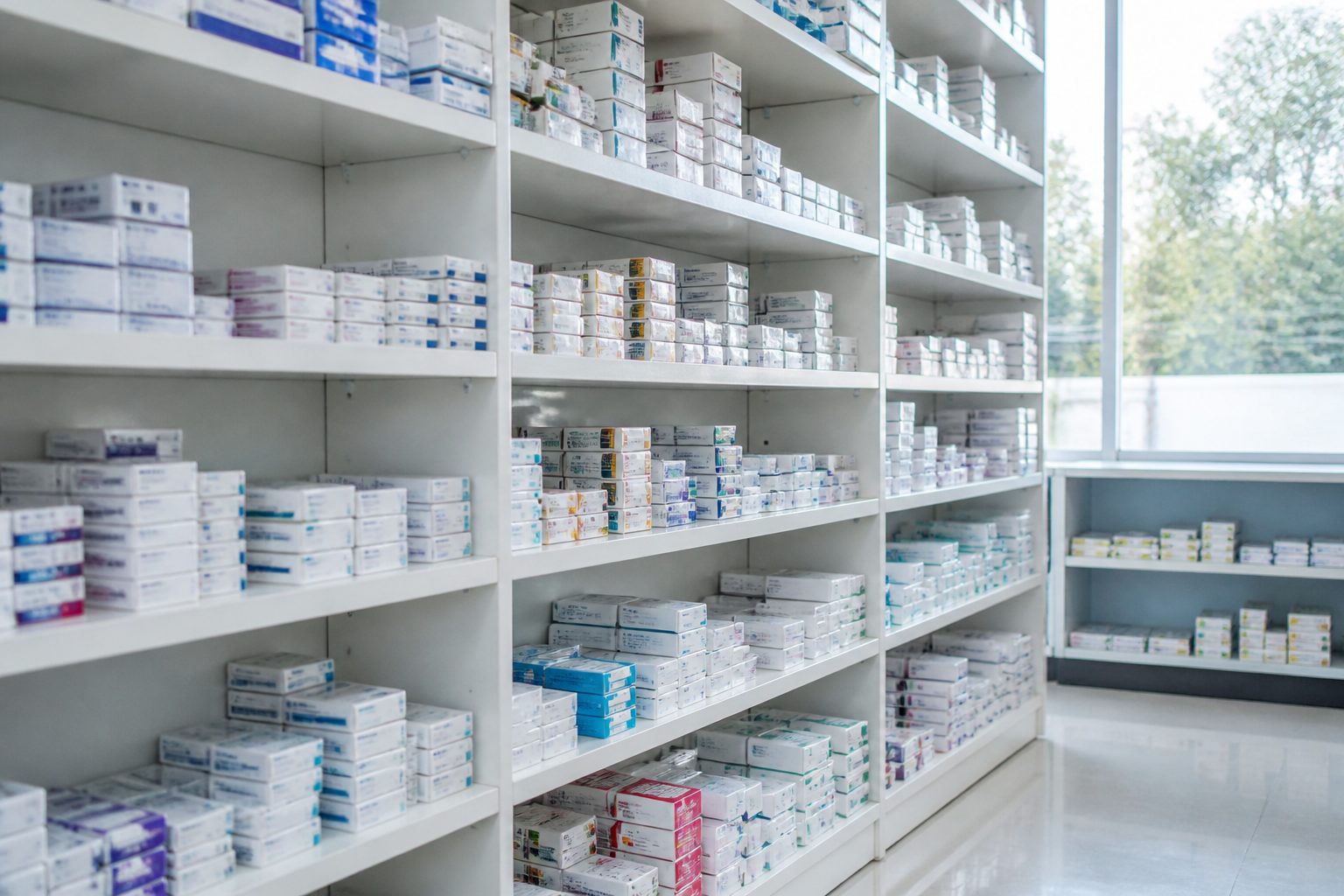
This guide is for patients, families, and caregivers comparing the cost of antibiotics in India, Pakistan, and Bangladesh. We review what you can expect to pay for commonly prescribed antibiotics, the difference between generic and branded options, and how to buy safely from trusted pharmacies.
In these countries, prices for antibiotics are generally much lower than in the US, UK, or Europe. For a standard course, you might pay as little as $0.50-$3 (₹40-250, PKR 140-850, BDT 60-250) for generics, while branded versions cost slightly more. However, prices can vary greatly by pharmacy, location, and whether you choose a local or imported brand.
What antibiotics cost: headline ranges
Antibiotics are among the most frequently prescribed medicines in South Asia. They include penicillins (like amoxicillin), macrolides (like azithromycin), cephalosporins (like cefixime), fluoroquinolones (like ciprofloxacin), and others. In all three countries, both generic and branded antibiotics are widely available, and you do not need to pay Western prices for effective treatment.
For a typical adult course (5-7 days), the cost of the most commonly prescribed antibiotics at major pharmacy chains and online pharmacies is usually:
- Amoxicillin 500mg (15-21 tablets): $0.80-$2.50 (₹65-210, PKR 230-700, BDT 90-250)
- Azithromycin 500mg (3-6 tablets): $1.10-$3.00 (₹90-250, PKR 320-850, BDT 110-250)
- Cefixime 200mg (10 tablets): $1.50-$4.00 (₹120-330, PKR 420-1,100, BDT 150-350)
- Ciprofloxacin 500mg (10 tablets): $0.60-$2.00 (₹50-170, PKR 140-500, BDT 60-180)
These are indicative prices for generics. Branded versions may cost 10-60% more, especially for imported brands. Prices at hospital pharmacies are often higher than at retail or online pharmacies.
Generic vs branded antibiotics: what’s the difference?
In India, Pakistan, and Bangladesh, the pharmaceutical market is dominated by generic antibiotics, which are produced by hundreds of local and multinational companies. Generics are chemically identical to their branded counterparts and must pass quality and efficacy tests set by national drug regulatory authorities—such as the Central Drugs Standard Control Organization (CDSCO) in India, the Drug Regulatory Authority of Pakistan (DRAP), and the Directorate General of Drug Administration (DGDA) in Bangladesh. These regulations are designed to ensure that generics work just as well as branded medicines.
Branded antibiotics, often marketed by large multinational firms, may be perceived by some patients and doctors as being of higher quality or more reliable. However, when both generic and branded versions are sourced from reputable, licensed pharmacies, there is no clinical difference in effectiveness if the active ingredient, dosage, and formulation are the same. The main distinction is in price—generics are typically 30-60% cheaper than branded products. For example, a generic amoxicillin course might cost as little as $0.80, while the branded version could range from $1.30 to $2.00 or more, depending on the manufacturer and point of sale.
If you are offered a choice between generic and branded antibiotics, ask your pharmacist to explain the options and always check that the product is in sealed packaging with labelling in both English and the local language. Make sure the pharmacy is licensed, and do not hesitate to request information about the manufacturer. Choosing generics from reputable sources is a safe and cost-effective way to access essential antibiotics in these countries.
Major pharmacy chains and online pharmacies
Large pharmacy chains in these countries offer better price transparency and quality assurance than small, unauthorised outlets. In India, chains like Apollo Pharmacy, MedPlus, and 1mg (now Tata 1mg) are widely trusted. In Pakistan, Servaid, D.Watson, and Fazal Din are established names. In Bangladesh, Lazz Pharma and UniMed UniHealth are recognised for reliability.
Online pharmacies have grown rapidly, especially in urban areas. In India, Tata 1mg, Netmeds, and PharmEasy are popular for home delivery and price comparisons. In Pakistan, Sehat.com.pk and dawaai.pk are leading platforms. In Bangladesh, BhaloJinish.com and BanglaMeds.com offer online ordering and delivery in major cities. Always verify that an online pharmacy is licensed and requires a prescription for antibiotics; avoid platforms that sell prescription medicines without a doctor’s approval.
How antibiotic prices compare: India, Pakistan, Bangladesh
Antibiotic prices are similar across the three countries, with some variation based on import tariffs, local manufacturing, and currency fluctuations. India often has the lowest prices due to its large pharmaceutical industry and widespread availability of generics. Pakistan and Bangladesh also have strong local production, but some imported brands and newer antibiotics can be more expensive.
Below is a comparison of typical prices for a standard course of common antibiotics in each country. Prices are for generics, sourced from major pharmacy chains in early 2024. Local currency equivalents are shown for reference.
| Antibiotic | India (USD/₹) | Pakistan (USD/PKR) | Bangladesh (USD/BDT) |
|---|---|---|---|
| Amoxicillin 500mg (15-21 tabs) | $0.80-$2.50 (₹65-210) | $0.90-$2.30 (PKR 230-700) | $1.00-$2.50 (BDT 90-250) |
| Azithromycin 500mg (3-6 tabs) | $1.10-$3.00 (₹90-250) | $1.30-$3.00 (PKR 320-850) | $1.20-$2.50 (BDT 110-250) |
| Cefixime 200mg (10 tabs) | $1.50-$4.00 (₹120-330) | $1.70-$4.00 (PKR 420-1,100) | $1.80-$3.50 (BDT 150-350) |
| Ciprofloxacin 500mg (10 tabs) | $0.60-$2.00 (₹50-170) | $0.70-$2.00 (PKR 140-500) | $0.70-$1.80 (BDT 60-180) |
| Clavulanate-amoxicillin 625mg (6-10 tabs) | $2.50-$6.00 (₹200-500) | $3.00-$7.00 (PKR 800-1,900) | $3.00-$6.00 (BDT 250-500) |
What is included in the price (and what is not)
When considering the price of antibiotics in India, Pakistan, and Bangladesh, it’s important to understand exactly what your payment covers. The quoted prices you see at most pharmacies or online platforms almost always refer to the cost of the medicine itself—specifically, the full adult course of antibiotic tablets or capsules as prescribed by a doctor. This means you are paying solely for the medication, and not for any of the associated healthcare services or supplementary products that may be necessary for safe and effective treatment.
What is not included in these prices? Firstly, the doctor’s consultation fee is separate and must be paid out of pocket. In these countries, a standard visit to a private general practitioner typically costs anywhere from $3 to $8, though fees can be higher in urban centers or at specialist clinics. Diagnostic tests—such as blood counts, cultures, or sensitivity testing—are also billed separately and can add $5-$20 or more to the total cost, depending on the complexity and where the tests are done. Additional supportive medications, like probiotics to help with gut health or painkillers for symptom relief, are also extra. If you purchase antibiotics from a hospital pharmacy, especially as part of inpatient care, expect to pay a premium; hospitals may bundle medicine costs with other services, leading to higher prices than at neighborhood or chain pharmacies.
Prescription requirements are another factor influencing both price and access. Major pharmacy chains and reputable online platforms in all three countries generally enforce prescription rules, requiring a valid doctor’s note before dispensing antibiotics. While some smaller, independent pharmacies may sometimes sell antibiotics without a prescription, this is discouraged and may be illegal under national drug regulations. For your safety and to help prevent antibiotic resistance, always obtain a valid prescription from a registered medical practitioner before purchasing antibiotics, regardless of the price.
Hidden costs and safe buying tips
While the sticker price of antibiotics in India, Pakistan, and Bangladesh is low, there are several hidden costs and risks that buyers should be aware of. For example, when ordering antibiotics online, you may encounter delivery fees that range from $0.50 to $2, especially for express or same-day service. Some pharmacies also add packaging charges or small handling fees, which can add up if you are purchasing multiple medicines. Additionally, smaller or less-regulated pharmacies may impose price markups, particularly in remote areas or during periods of high demand, such as outbreaks or seasonal illnesses.
Another hidden cost is the risk associated with purchasing antibiotics from unreliable sources. Medicines sold loose (not in original blister packs), unsealed, or without proper labelling may be counterfeit, expired, or substandard. Such products not only waste your money but can also pose serious health risks, including treatment failure and increased antibiotic resistance. Informal vendors, street markets, and unregistered online sellers are particularly risky in all three countries.
To minimize hidden costs and stay safe:
- Buy only from licensed pharmacies: Check for a visible registration certificate and avoid shops that cannot provide official proof of licensing.
- Inspect the packaging: Ensure the box or blister pack is intact, with a clear expiry date, batch number, and manufacturer details. Avoid medicines that look tampered with or lack official seals.
- Request a bill or receipt: This should include the drug name, strength, price, and the pharmacy’s details, offering proof of purchase and recourse if issues arise.
- Use reputable online platforms: Stick to well-known websites or apps that require a valid prescription and have clear customer service channels. Be wary of sites that do not ask for a doctor’s note or offer unusually low prices.
- Follow the prescribed course: Do not split tablets, skip doses, or buy less than the full course to save money, as this can lead to treatment failure and antibiotic resistance.
How to save safely on antibiotic purchases
Saving money on antibiotics in India, Pakistan, and Bangladesh is possible without sacrificing safety, but it requires careful choices and awareness of local practices. One of the most effective ways to reduce costs is to opt for generic antibiotics produced by reputable manufacturers. Generics are widely available and must meet government quality standards, offering the same clinical effectiveness as branded medicines at a significantly lower price. Always ask your pharmacist if a generic version is available and ensure it comes from a recognized, licensed manufacturer.
Another strategy is to compare prices across different pharmacy chains, neighborhood outlets, and trusted online platforms. Prices can vary by up to 30% between outlets, especially in urban areas where competition is high. Some online pharmacies offer additional savings through discount codes, loyalty programs, or cashback offers—these benefits are especially valuable for repeat purchases or for families who need to buy medicines regularly. When shopping online, always use reputable platforms that require a prescription and have clear customer reviews.
Buying a complete course of antibiotics at once, rather than purchasing partial strips or a few tablets at a time, can also save money and ensures you complete the prescribed treatment. Partial purchases may appear cheaper up front but can lead to higher costs in the long run and risk improper treatment.
If you have health insurance, check your policy details—while outpatient medicine coverage is rare in these countries, some premium or employer-provided plans may reimburse part or all of your prescription costs. Additionally, government hospitals and public clinics often provide essential antibiotics either free or at subsidized rates to eligible patients, such as low-income families or those with specific health cards. However, the selection may be limited to a government-approved list of essential medicines, and availability can vary.
How antibiotic prices compare to other countries
Antibiotic prices in India, Pakistan, and Bangladesh are among the lowest in the world, especially when compared to the United States, the United Kingdom, and most European countries. For example, in the US, a standard course of generic amoxicillin can cost between $8 and $15, with branded versions often exceeding $20. In the UK, while the National Health Service (NHS) subsidizes prescription costs, patients still pay around $10 per item unless they qualify for exemptions. Across much of Europe, out-of-pocket costs for those without insurance typically range from $10 to $30 per course, depending on the country and the specific antibiotic prescribed.
In contrast, the same antibiotics in South Asia are often available for less than $1 to $3 per course. This dramatic price difference is driven by several local factors. First, all three countries have a large, competitive pharmaceutical manufacturing sector, with India in particular being known as the “pharmacy of the world” due to its massive export industry. Local production keeps supply high and prices low. Second, government price controls on essential medicines help prevent excessive markups, making antibiotics more affordable for the general population. Finally, a dense network of retail pharmacies and online sellers increases market competition, further pushing prices down.
However, these low prices come with some trade-offs. The risk of encountering substandard or counterfeit medicines is higher in South Asia compared to Western countries, especially if buying from informal vendors or unregulated sources. Therefore, while the cost savings are substantial, it is crucial to buy only from trusted, licensed pharmacies and to ensure that all packaging and labelling are intact and authentic.
Frequently asked questions
Do I need a prescription to buy antibiotics in these countries?
Yes, by law, a prescription from a qualified doctor is required to buy antibiotics in India, Pakistan, and Bangladesh. Major pharmacy chains and reputable online pharmacies will not sell antibiotics without one, though enforcement may be weaker at small local shops. Always consult a doctor before starting antibiotics.
Are generic antibiotics as effective as branded ones?
Yes, if purchased from a licensed pharmacy, generic antibiotics contain the same active ingredient and dosage as branded products. They are regulated by national authorities for safety and efficacy. The main difference is price and sometimes the manufacturer’s reputation.
How can I check if an online pharmacy is legitimate?
Look for a visible pharmacy registration or license number, customer support contact information, and a requirement for a valid prescription. Leading platforms in each country are well known; avoid sites selling antibiotics without a prescription or offering unusually low prices.
Why are antibiotics cheaper in India, Pakistan, and Bangladesh?
The main reasons are strong local production, government price controls on essential medicines, and a competitive market with many generic manufacturers. Lower labour and distribution costs also contribute to lower prices compared to Western countries.
Is it safe to buy antibiotics from small local pharmacies?
It is safest to buy from licensed chain pharmacies or reputable online platforms. Some small local pharmacies may not follow regulations strictly, increasing the risk of counterfeit or expired medicines. Always check packaging and ask for a bill. When in doubt, choose a well-known pharmacy chain.
Related guides
Disclaimer: Prices are indicative and vary by pharmacy, brand, and location. Always consult a qualified doctor and obtain a written prescription. For accurate, up-to-date pricing and suitability, request a written quote from a licensed pharmacy.