
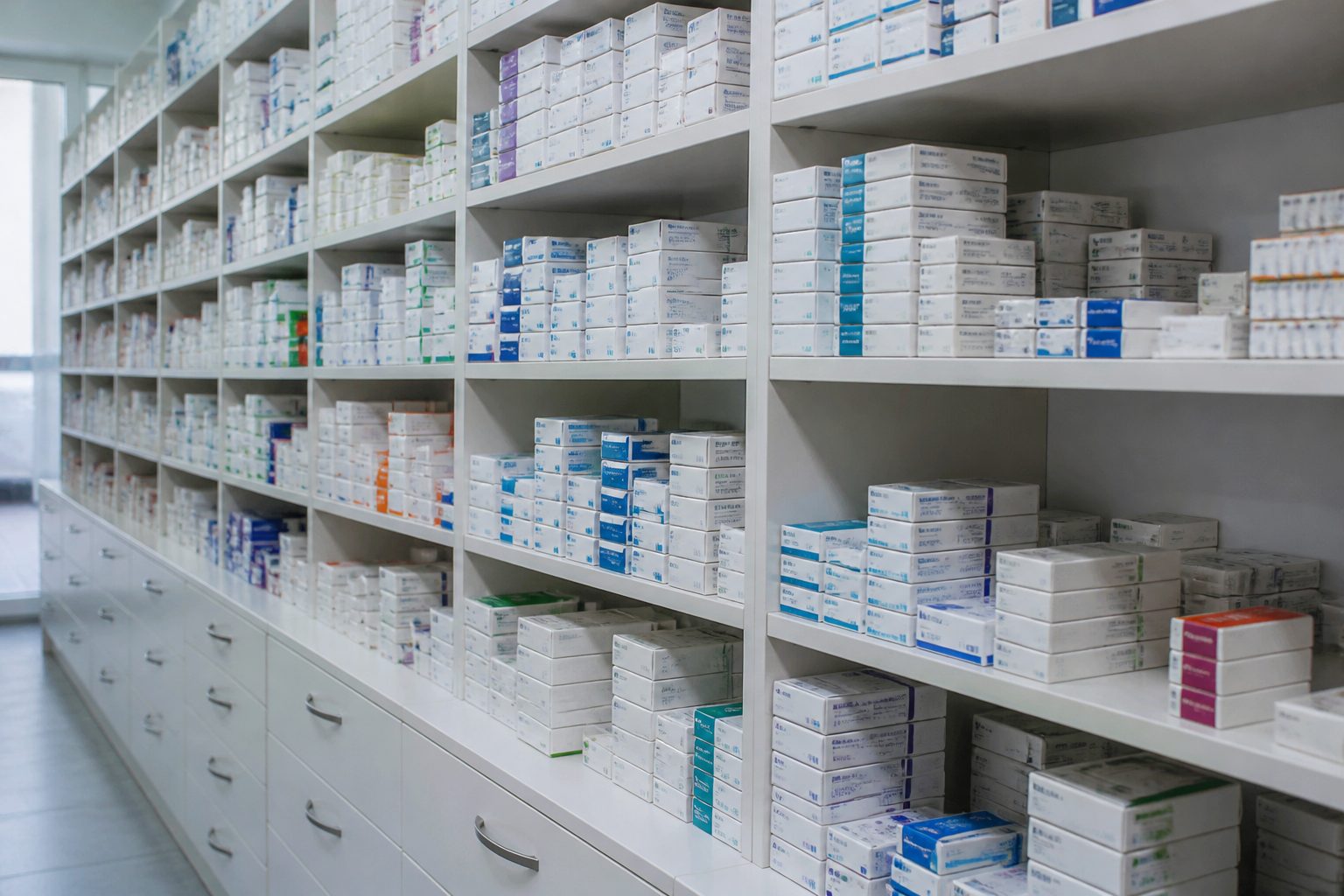
For patients needing regular blood pressure medication, Turkey offers significantly lower prices than most Western countries. This guide explains how much you can expect to pay, where to find the best deals on both branded and generic medicines, and what to know before buying.
Blood pressure medicines in Turkey typically cost 30–70% less than in the US or Europe. International patients and those living in Turkey can access a wide range of antihypertensive drugs at local pharmacies, with generics providing the best savings.
What blood pressure medicines cost in Turkey
Turkey is known for its strong pharmaceutical manufacturing sector and government regulation of medicine prices. This means common blood pressure medicines—such as amlodipine, losartan, enalapril, and metoprolol—are widely available at prices that are a fraction of those in the US, UK, or EU. The government sets maximum retail prices for both branded and generic drugs, and most medicines are sold over the counter (with a prescription from a Turkish doctor required for purchase).
For example, a one-month supply (30 tablets) of generic amlodipine 5mg typically costs $2–$5 (₺65–₺160), while branded versions range from $5–$12 (₺160–₺385). Losartan 50mg generics usually cost $3–$7 (₺100–₺220) per month. These prices are for medicines purchased at regular retail pharmacies in major Turkish cities like Istanbul, Ankara, and Izmir.
Comparing blood pressure medicine prices: Turkey and other countries
To understand the savings, let’s compare the prices of typical blood pressure medications in Turkey with those in the US, UK, India, and Germany. The table below lists indicative monthly costs for a standard dose of several widely used antihypertensives. Prices are for generic versions where available, as of early 2024.
| Medicine | Turkey | US | UK | India | Germany |
|---|---|---|---|---|---|
| Amlodipine 5mg (30 tablets) | $2–$5 (₺65–₺160) | $10–$25 | $6–$12 (£5–£10) | $1–$2 (₹80–₹160) | $8–$14 (€7–€13) |
| Losartan 50mg (30 tablets) | $3–$7 (₺100–₺220) | $15–$45 | $7–$15 (£6–£13) | $2–$4 (₹160–₹320) | $12–$20 (€11–€18) |
| Enalapril 10mg (30 tablets) | $3–$6 (₺100–₺195) | $9–$35 | $6–$11 (£5–£9) | $1–$2 (₹80–₹160) | $8–$15 (€7–€13) |
| Metoprolol 50mg (30 tablets) | $4–$8 (₺130–₺250) | $12–$40 | $7–$14 (£6–£12) | $2–$4 (₹160–₹320) | $10–$19 (€9–€17) |
Turkey’s prices are consistently lower than those in the US and Germany, and competitive with the UK. Prices in India are typically the lowest globally, but Turkish prices are still among the most affordable outside South Asia.
What is included in the price—and what is not
The price you see at Turkish pharmacies is for the medicine only. It does not include the cost of a doctor’s consultation, which is required for a valid prescription. In Turkey, prescriptions are mandatory for blood pressure medicines, even for generics. A consultation with a family doctor or internist usually costs $15–$40 (₺500–₺1300) at a private clinic. If you are visiting Turkey as a medical tourist or for a short stay, factor in this additional cost.
Pharmacies do not usually charge dispensing fees, and the price is the same whether you pay in cash or by card. However, international insurance is unlikely to cover medicines bought in Turkey unless you have local health coverage or a specific travel insurance policy that includes outpatient prescriptions.
Generic vs branded medicines in Turkey
Turkey’s pharmaceutical landscape is dominated by generic medicines, which are manufactured under strict quality controls and are subject to rigorous bioequivalence testing mandated by the Turkish Ministry of Health. This ensures that generics contain the same active ingredients, dosage forms, and therapeutic effects as their branded counterparts. Major Turkish pharmaceutical companies such as Abdi İbrahim, Deva, and Nobel are well-known for producing a wide range of generics that are trusted both domestically and internationally.
International pharmaceutical giants like Pfizer, Novartis, and Sanofi also operate in Turkey, often offering branded versions of popular blood pressure medications. However, these branded products are typically 30–60% more expensive than their generic equivalents, largely due to branding, packaging, and import costs. Despite the price difference, both generics and branded medicines must comply with the same regulatory standards, ensuring safety and efficacy.
For blood pressure medicines specifically, Turkish doctors routinely prescribe generics, and pharmacists are adept at identifying the correct generic version based on the active ingredient and dosage. The main differences you may notice are in the packaging, pill shape, or color, but not in the medicine’s effectiveness. If you have a strong preference for a particular international brand, inform the pharmacy staff in advance—they can check availability, but be prepared for limited stock and higher prices.
Choosing generics in Turkey is a practical way to reduce costs without compromising on quality. If you are unfamiliar with local brands, ask your doctor or pharmacist for information on the manufacturer and regulatory approvals. Always verify that the product is sealed and labeled with Ministry of Health certification for added peace of mind.
Where to buy: Turkish pharmacy chains and online options
In Turkey, the majority of pharmacies (eczane) are independently owned, but several well-established chains operate in major cities and tourist centers, providing reliable access to medicines and professional advice. Notable pharmacy chains include Eczacıbaşı and Pharmacy On Duty (Nöbetçi Eczane), which are easily recognizable and often located near hospitals, clinics, and busy commercial districts. Pharmacies in urban areas are plentiful, and their staff are generally well-trained, with many speaking English or other foreign languages, especially in tourist hotspots.
Typical pharmacy opening hours are 9am to 7pm, Monday to Saturday. On Sundays and public holidays, as well as outside regular hours, each district designates specific 24-hour pharmacies (nöbetçi eczane). These pharmacies rotate their duty schedule and are listed online and on pharmacy doors, ensuring that urgent medication needs are always met regardless of the time of day.
Online pharmacy options in Turkey are limited for foreigners. While several Turkish online pharmacies exist, they require a valid Turkish prescription, a Turkish ID, and a local delivery address. By law, prescription medicines cannot be shipped internationally from Turkey, and attempts to do so may result in confiscation at customs. Therefore, travelers must plan to purchase their medicines in person while in Turkey. When visiting a pharmacy, bring your prescription and passport, and request a detailed receipt to facilitate customs clearance on your return journey.
For added convenience, ask your hotel concierge or local healthcare provider for recommendations on reputable pharmacies nearby. If you require a specific medication or device, calling ahead to check availability can save time and ensure a smooth purchasing experience.
Medical devices: CPAP, glucometers, wheelchairs, and more
Turkey has established itself as a leading destination for affordable medical devices, attracting international patients who seek both quality and savings. The country benefits from a robust medical manufacturing sector and lower overall operational costs, which translates into retail prices for devices that are typically 30–50% less than those in Western Europe, North America, or the Gulf states.
Popular devices purchased by visitors include CPAP machines (for sleep apnea), glucometers and their test strips (for diabetes management), manual and electric wheelchairs, hearing aids, and portable oxygen concentrators. For example, a basic CPAP machine in Turkey is priced around $250–$400 (₺8,000–₺13,000), compared to $500–$1,000 or more in Western countries. A glucometer kit, complete with strips and lancets, can be found for $15–$40 (₺500–₺1,300), while a manual wheelchair ranges from $80–$200 (₺2,600–₺6,500). These savings can be even greater for more advanced or imported models, thanks to reduced taxes and import duties in Turkey.
To purchase these devices, visit a dedicated medical supply store (medikal mağaza), which are common in urban centers and near major hospitals. Staff can help you select the right model and ensure it meets your needs. Always confirm that the device comes with an international warranty, as this is crucial for future repairs or support in your home country. Check for user manuals or instructions in your preferred language—major brands often include multilingual documentation, but it’s wise to verify before purchase.
Some devices, particularly those involving prescription medications or oxygen, may require a Turkish doctor’s prescription. Plan ahead by arranging a consultation if needed. Also consider asking about after-sales support, replacement parts, and compatibility with your country’s electrical standards or healthcare protocols, especially for electronic devices.
Hidden costs and how to save safely
While Turkey offers excellent value, there are a few hidden costs to consider. First, if you need a prescription, you must see a local doctor. Some clinics catering to foreigners may charge higher consultation fees. Second, if you are bringing a large quantity of medicine back to your home country, check your country’s import regulations—most allow a 1–3 month personal supply, but carrying more may cause problems at customs.
To save safely, always use licensed pharmacies, avoid street vendors, and keep medicines in original packaging with the prescription. Ask for a printed receipt and, if needed, a copy of the Turkish prescription for travel. If you require a particular brand or formulation, contact a pharmacy ahead of your trip to check availability, as not all brands are stocked everywhere.
How to compare prices and plan your purchase
When considering buying blood pressure medicines in Turkey, thorough preparation can help you maximize savings and avoid complications. Start by researching current medicine prices on official Turkish pharmacy websites or government-backed price comparison tools—these sources reflect the Ministry of Health’s regulated price lists, which are updated several times a year. Unlike in many countries, price differences between pharmacies are minimal in Turkey due to strict government controls, so you can expect consistency regardless of the pharmacy you choose.
If you take multiple medications, make a comprehensive list of each drug’s active ingredient, dosage, and current brand name. Turkish medicines may be sold under different brand names or packaging, so knowing the generic name (for example, “amlodipine” instead of “Norvasc”) is essential for accurate matching. Consider printing this list or saving it on your phone for easy reference when consulting with a Turkish doctor or pharmacist.
For medical devices—such as blood pressure monitors, glucometers, or CPAP machines—use Turkish e-commerce sites or local supplier websites to compare models, features, and after-sales support. Some devices may require a prescription, while others can be purchased over the counter. If your trip to Turkey includes a hospital visit for another procedure, ask your healthcare provider if they can assist with prescriptions or recommend trusted medical supply stores (medikal mağaza). This can streamline your purchase and ensure you receive authentic, warranty-backed products.
Finally, plan your purchases to fit your travel itinerary. Pharmacies in Turkey are generally open during regular business hours, with 24-hour options available for emergencies. Keeping all purchase documentation will help you avoid issues with customs when returning home, especially if you are carrying a larger-than-normal supply of medication.
The bottom line: Is it worth buying blood pressure medicines in Turkey?
For many international patients, purchasing blood pressure medicines and medical devices in Turkey can be a highly cost-effective option. The country offers substantial savings—often 40–70% less than prices in Western Europe, the United States, or the Gulf region—while maintaining strict regulatory oversight through the Turkish Ministry of Health. Turkish pharmacies stock a wide range of both generic and branded antihypertensive medications, and the quality of these medicines is ensured by rigorous national standards and regular inspections.
The process for obtaining these medicines is relatively simple, but there are important steps to follow. First, visitors must see a licensed Turkish physician, either at a private clinic or hospital, to obtain a valid prescription. Turkish law requires a prescription for most blood pressure medicines, and this rule is strictly enforced. Once you have your prescription, you can visit any reputable pharmacy (eczane) to purchase your medication. Pharmacies are widely available in cities and tourist areas, and pharmacists are generally well-trained and helpful. It is crucial to keep all receipts and documentation, especially if you plan to bring the medicines back to your home country—customs officials may request proof of purchase and a prescription at the border.
While Turkey’s prices may not be as low as those found in India or some Southeast Asian countries, they are among the most competitive in Europe and the Middle East. The added benefit is access to regulated, high-quality products, and a transparent pricing system set by the government. For patients seeking affordable, safe, and accessible blood pressure medicines and medical devices, Turkey represents a strong and practical choice, especially for those combining treatment with medical tourism or regular travel to the region.
Frequently asked questions
Can I buy blood pressure medicines in Turkey without a prescription?
No. Turkish law requires a valid prescription from a Turkish doctor for all blood pressure medicines, including generics. Overseas prescriptions are not accepted.
Are Turkish generic medicines safe and effective?
Yes. Generic medicines in Turkey are regulated by the Ministry of Health and must meet strict standards for quality and bioequivalence. They are widely used and trusted by local doctors.
Can I bring Turkish medicines back to my home country?
Most countries allow a personal supply of prescription medicines (usually 1–3 months) for personal use. Keep them in original packaging with your prescription and check your country’s import rules before traveling.
How do I find an English-speaking pharmacy in Turkey?
Large pharmacies in tourist areas and near major hospitals often have English-speaking staff. You can ask your hotel or clinic for recommendations, or use online maps to locate pharmacy chains in major cities.
Are medicines bought in Turkey covered by international insurance?
Usually not, unless you have Turkish health insurance or a travel policy that explicitly covers outpatient prescriptions. Most purchases are paid out-of-pocket at the pharmacy.
Related guides
Disclaimer: Prices in this article are indicative and can vary by pharmacy, region, and product. Always consult a qualified doctor and obtain a written quote before purchasing medicines or devices in Turkey.