
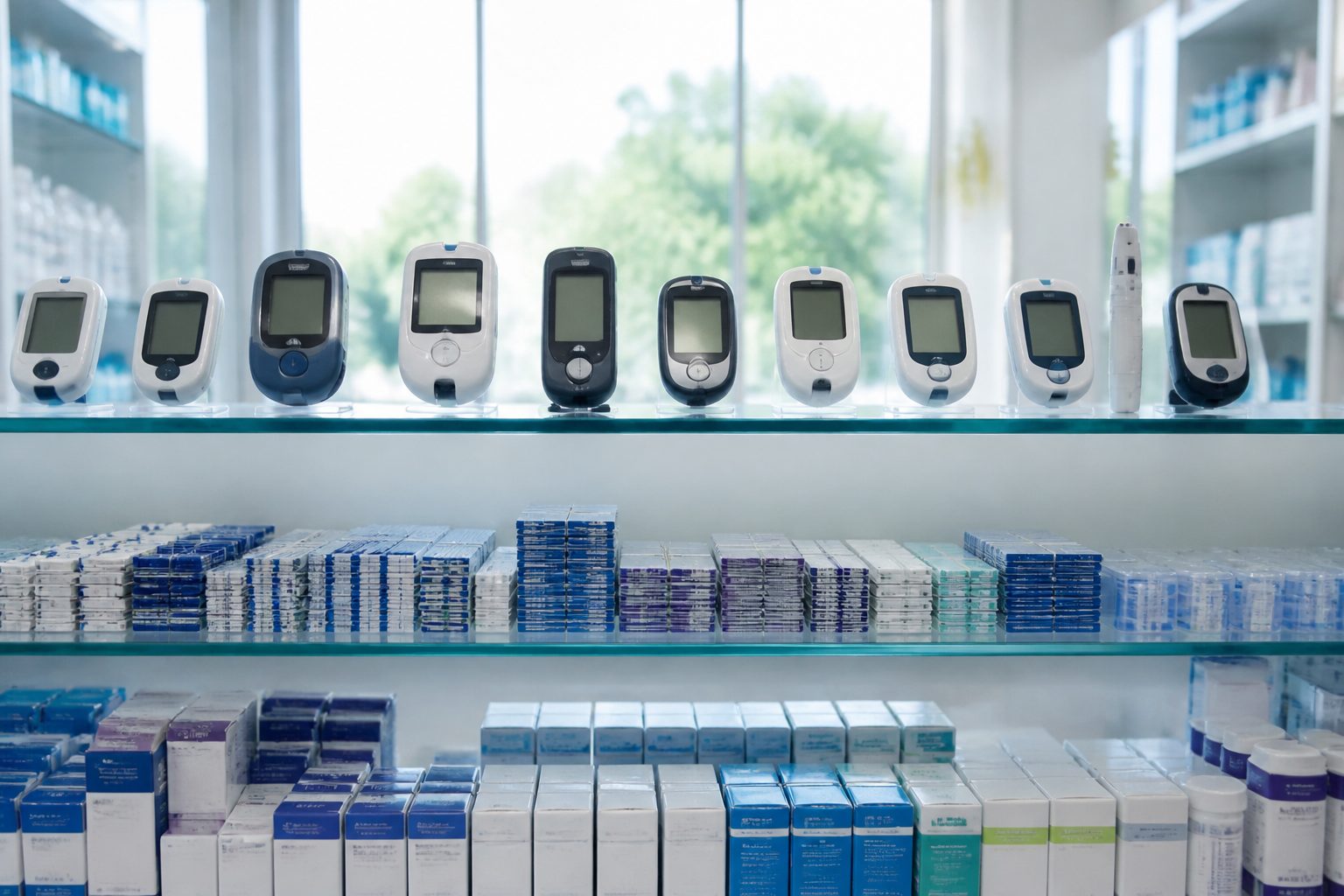
This guide is for anyone in Malaysia (or considering treatment there) who needs to buy a blood glucose monitoring device, known as a glucometer. We compare prices and key differences between branded and generic options, and explain how to buy reliably and affordably.
In Malaysia, branded glucometers usually cost $25-$60 (RM120-280) and generics $12-$30 (RM55-140). The right choice depends on your budget, accuracy needs, and ongoing supply costs.
What is a glucometer and why does it matter?
A glucometer is a small, portable device that measures blood glucose levels, essential for people with diabetes to monitor and manage their condition. Accurate readings help prevent complications from high or low blood sugar. The device uses disposable test strips, which are a recurring cost. Choosing between branded and generic glucometers in Malaysia can affect both the upfront and ongoing expenses for diabetes care.
Most devices available in Malaysia are user-friendly and designed for home use. The market includes both international brands—like Accu-Chek, OneTouch, and Abbott FreeStyle—and local or regional generic models. While all glucometers perform the same basic function, differences in accuracy, ease of use, after-sales support, and strip prices can be significant.
Branded vs generic: What’s the difference?
Branded glucometers are made by well-known international manufacturers and typically offer high accuracy, established quality control, and robust customer support. They often include extra features, such as Bluetooth connectivity, memory for hundreds of readings, and compatibility with smartphone apps. Test strips for branded meters are widely available but can be more expensive.
Generic glucometers, on the other hand, are produced by less-known or local manufacturers. They usually meet Malaysia’s regulatory standards but may have less comprehensive quality assurance or fewer features. Generics are often more affordable both for the initial device and the test strips, but support and warranty service may not be as strong. Accuracy can be good, but may vary more between models.
How much does a glucometer cost in Malaysia?
The cost of a glucometer in Malaysia varies significantly based on several factors, including brand reputation, device features, and the point of purchase. Branded glucometers—such as those from Accu-Chek, OneTouch, or Omron—purchased at established pharmacy chains or through authorized distributors typically range from $25 to $60 (RM120–280). These devices often come with enhanced features like memory storage, Bluetooth connectivity, or compatibility with mobile apps, which can drive up the price. In contrast, generic or house-brand glucometers, which are widely available at major pharmacies and online marketplaces, are more budget-friendly at $12–$30 (RM55–140). These may offer fewer features but still meet essential accuracy standards if registered with the Medical Device Authority (MDA).
It’s important to remember that the meter itself is often a one-time purchase, but the real ongoing expense comes from test strips. Branded test strips cost approximately $16–$32 (RM75–150) for a box of 50, while generic strips are more affordable at $8–$16 (RM35–70) per 50 strips. For individuals testing multiple times per day, monthly strip costs can quickly surpass the initial investment in the meter. Always verify that the strips you buy are compatible with your device, as some meters—especially branded ones—only work with proprietary strips, limiting your options and potentially increasing long-term costs.
Occasionally, manufacturers or pharmacies offer promotional bundles that include extra strips, lancets, or carrying cases at a discounted price. These can provide good value, especially for first-time buyers. However, always check the expiry dates on bundled strips and the terms of any promotional offers. Prices may also fluctuate depending on whether you buy in-store or online, with online platforms sometimes offering lower prices but potentially higher shipping fees or less robust after-sales support. In summary, consider both upfront and ongoing costs, and choose a meter that fits your budget and lifestyle needs while ensuring easy access to compatible consumables in Malaysia.
Glucometer prices in Malaysia vs other countries
| Country | Branded glucometer (USD) | Generic glucometer (USD) | Test strips (50, USD) | Main pharmacy chains |
|---|---|---|---|---|
| Malaysia | $25–$60 (RM120–280) | $12–$30 (RM55–140) | $16–$32 (RM75–150) | Guardian, Watsons, Caring, Alpro |
| India | $18–$45 (₹1,500–3,800) | $8–$22 (₹650–1,850) | $10–$18 (₹820–1,480) | Apollo, MedPlus, 1mg, PharmEasy |
| Indonesia | $28–$62 (Rp 430,000–950,000) | $13–$28 (Rp 200,000–430,000) | $17–$33 (Rp 260,000–500,000) | Guardian, Kimia Farma, K24 |
| Philippines | $26–$58 (₱1,400–3,200) | $12–$32 (₱650–1,700) | $15–$30 (₱800–1,600) | Mercury Drug, Watsons, South Star |
| United States | $30–$80 | $15–$40 | $18–$40 | CVS, Walgreens, Walmart |
| United Kingdom | $30–$75 (£24–£60) | $13–$35 (£10–£28) | $13–$32 (£10–£25) | Boots, Lloyds, Superdrug |
| Bangladesh | $20–$48 (৳2,200–5,300) | $10–$20 (৳1,100–2,200) | $8–$15 (৳900–1,700) | Opsonin, Lazz Pharma, UniMed |
| Pakistan | $22–$55 (₨6,000–15,000) | $11–$27 (₨3,000–7,500) | $10–$22 (₨2,800–6,000) | Servaid, D.Watson, Fazal Din’s |
What is included in the price (and what is not)?
When you purchase a glucometer kit in Malaysia, the package typically includes several essential items to help you get started with blood glucose monitoring. Most standard kits come with the meter itself, a lancing device for drawing blood, 5 to 10 test strips, a small supply of lancets (usually 5 to 10), pre-installed batteries, and a carrying case for convenience. Some branded kits may also include a logbook for manual recording or offer connectivity to a mobile app for digital tracking. These extras can be particularly useful for users who want to monitor their glucose trends over time or share data with healthcare providers.
However, it’s important to note that the included test strips and lancets are only meant for initial use—enough for just a few days to a week, depending on your testing frequency. After that, you will need to purchase additional strips and lancets separately, and these ongoing consumable costs can quickly add up. In Malaysia, health insurance and government subsidies rarely cover the cost of these supplies, so most users pay out of pocket. Be aware that some generic meters use proprietary strips, which may be less widely available than those for popular branded meters. This can be a significant inconvenience if your local pharmacy does not stock the required strips or if you have to rely on online orders with potential shipping delays.
Before buying, always confirm the ongoing availability and price of compatible test strips and lancets at your preferred pharmacy or online retailer. Also, check if the kit includes a warranty and whether after-sales support is accessible in Malaysia. Some brands offer customer hotlines or replacement services, while others may have limited support, especially for meters purchased online or from overseas sellers. Being informed about what is—and isn’t—included in the price will help you avoid unexpected expenses and ensure a smooth, uninterrupted monitoring experience.
Where to buy: Top pharmacy chains and online options
In Malaysia, consumers have a variety of options when it comes to purchasing glucometers, each with its own advantages and considerations. The most reliable sources are established pharmacy chains such as Guardian, Watsons, Caring, and Alpro. These stores typically carry a broad selection of both branded and generic meters, and their staff are trained to explain the differences, demonstrate device usage, and answer questions about compatibility and ongoing costs. Prices at these chains are usually fixed, but you may occasionally find promotional deals, bundle offers (including extra strips or lancets), or loyalty program discounts.
For those who prefer shopping from home or are seeking a wider selection, online platforms such as Alpro Pharmacy online, Watsons online, Shopee, and Lazada provide extensive choices. These platforms often offer competitive prices and frequent sales, but it’s essential to verify the credibility of the seller. Look for devices registered with the Malaysian Medical Device Authority (MDA)—this ensures the product meets local safety and accuracy standards. Check the seller’s ratings, reviews, and return policy before purchasing, as after-sales support and warranty claims may be more complicated with third-party online sellers.
If you are new to self-monitoring or need hands-on guidance, buying in-store is generally safer, as you can ask for demonstrations and immediate support. However, experienced users who know exactly what they need may benefit from the convenience and potential savings offered by online shopping. Always compare prices between physical stores and reputable online sellers, and factor in delivery fees, warranty coverage, and the availability of consumables like strips and lancets. For rural residents, online platforms might be the only way to access certain brands, but always prioritize safety and authenticity over the lowest price.
Hidden costs and what to check before you buy
When purchasing a glucometer in Malaysia, it’s crucial to look beyond the initial price tag. While the upfront cost of the device may seem affordable, ongoing expenses can significantly impact your long-term budget. The most substantial hidden cost is typically the test strips, which are required for each blood glucose measurement. Branded meters often require proprietary strips that can be more expensive and sometimes harder to find, especially in rural areas or smaller pharmacies. Generic meters may have cheaper strips, but availability and reliability can vary widely between brands.
- Shipping fees: If you buy online, factor in delivery charges. Some sellers offer free shipping above a certain purchase amount, but this isn’t always the case, especially for expedited delivery or remote locations.
- Replacement parts: The lancing device, batteries, and even the meter itself may need replacement over time. Some meters use non-standard batteries, which can be costly or inconvenient to source in Malaysia.
- Short-dated or expired strips: Discounted or bundled strips may be close to their expiry date. Expired strips can yield inaccurate readings, so always check the expiry before buying, especially from online sellers or during sales.
- Warranty limitations: Branded meters usually come with a 1- to 5-year warranty, but terms may differ for generic brands or online purchases. Some manufacturers require you to register the product online or keep the receipt for warranty claims, which can be tricky if you buy from unofficial sources.
It’s also important to consider the cost per test, not just the price per box of strips. Divide the total strip price by the number of strips to get the actual cost per use. Check the shelf life of the strips, as Malaysian humidity can affect storage and longevity. Confirm with your regular pharmacy that they stock the required strips and lancets reliably, as running out can disrupt your glucose monitoring routine. Lastly, ask whether after-sales support is available—some brands offer free helplines or replacement services, while others do not. These practical checks can save you money and hassle in the long run.
How to save safely on glucometer costs
To save money without sacrificing accuracy or safety:
- Consider a generic meter only if its strips are readily available and it meets accuracy standards (look for SIRIM, CE Mark, or ISO 15197:2013 compliance).
- Buy strips in bulk from trusted pharmacies to reduce cost per test.
- Watch for promotions, loyalty programs, or bundle deals at major chains.
- Avoid very low-cost meters from unverified online sellers, as accuracy and warranty may be poor.
- Ask your doctor or pharmacist if you have special needs (e.g., visual impairment, need for app connectivity, pediatric use).
Some NGOs and diabetes clinics offer subsidised meters or strips—ask your healthcare provider if you qualify.
Quality, accuracy, and safety: What to know
Ensuring the quality, accuracy, and safety of your glucometer is vital for effective diabetes management. In Malaysia, all medical devices, including glucometers, must be registered with the Medical Device Authority (MDA), a regulatory body that enforces standards for safety and performance. Branded meters sold at major pharmacy chains are generally reliable, as these retailers source devices from authorized distributors and manufacturers that comply with both local and international standards.
Generic meters can also provide accurate readings, but the variability between models is higher. When evaluating a glucometer, check for certifications such as ISO 15197:2013 or the CE mark. These certifications indicate that the device has passed international accuracy and safety tests. For example, ISO 15197:2013 stipulates that 95% of glucometer readings must fall within ±15% of laboratory values, which is the global standard for home glucose monitoring.
It’s also important to use only compatible and unexpired strips, as using the wrong or old strips can significantly affect accuracy. In Malaysia’s humid climate, improper storage can reduce strip shelf life and reliability. Always follow the manufacturer’s instructions for use and storage. If you ever question your meter’s accuracy, bring it to your next clinic or hospital visit and ask to compare its readings with a laboratory blood glucose test. Some pharmacies and diabetes clinics in Malaysia also offer free meter accuracy checks or calibration services.
Finally, prioritize brands that offer customer support, clear instructions in Malay or English, and accessible after-sales service. Avoid purchasing meters from unverified sellers or those lacking MDA registration, as these may not meet safety standards and could put your health at risk. Regularly reviewing your device’s accuracy and ensuring it meets national and international standards are practical steps to safeguard your health.
Frequently asked questions
Are generic glucometers as accurate as branded ones?
Some generic glucometers are accurate if certified (look for ISO 15197:2013 or MDA registration), but branded meters have more consistent quality control. For most users, a certified generic meter is sufficient, but those with high-risk conditions may prefer a branded device.
How often do I need to replace my glucometer?
Most glucometers last 2–5 years with proper care. Replace your meter if it becomes inaccurate, damaged, or if strips become unavailable. Always check battery life and update your device if your healthcare provider recommends it.
Can I use strips from one brand with another brand’s meter?
No, test strips are generally not interchangeable between brands or even between models from the same brand. Always use the exact strips specified by the meter manufacturer for accurate readings.
Do Malaysian insurance plans cover glucometers or strips?
Most private insurance and government health schemes in Malaysia do not cover glucometer devices or test strips for home use. Some corporate health plans or special diabetes programs may offer partial reimbursement, so check your policy details.
What documentation should I look for when buying a glucometer?
Ensure the product has Malaysia’s MDA registration number and, if possible, ISO 15197:2013 or CE certification. Keep your purchase receipt for warranty claims. Instruction manuals and customer support contact details should be included in the box.
Related guides
Disclaimer: Prices and product details are indicative, vary by location, model, and availability, and may change at short notice. Always consult a qualified healthcare professional and obtain a written quotation before making a purchase.