
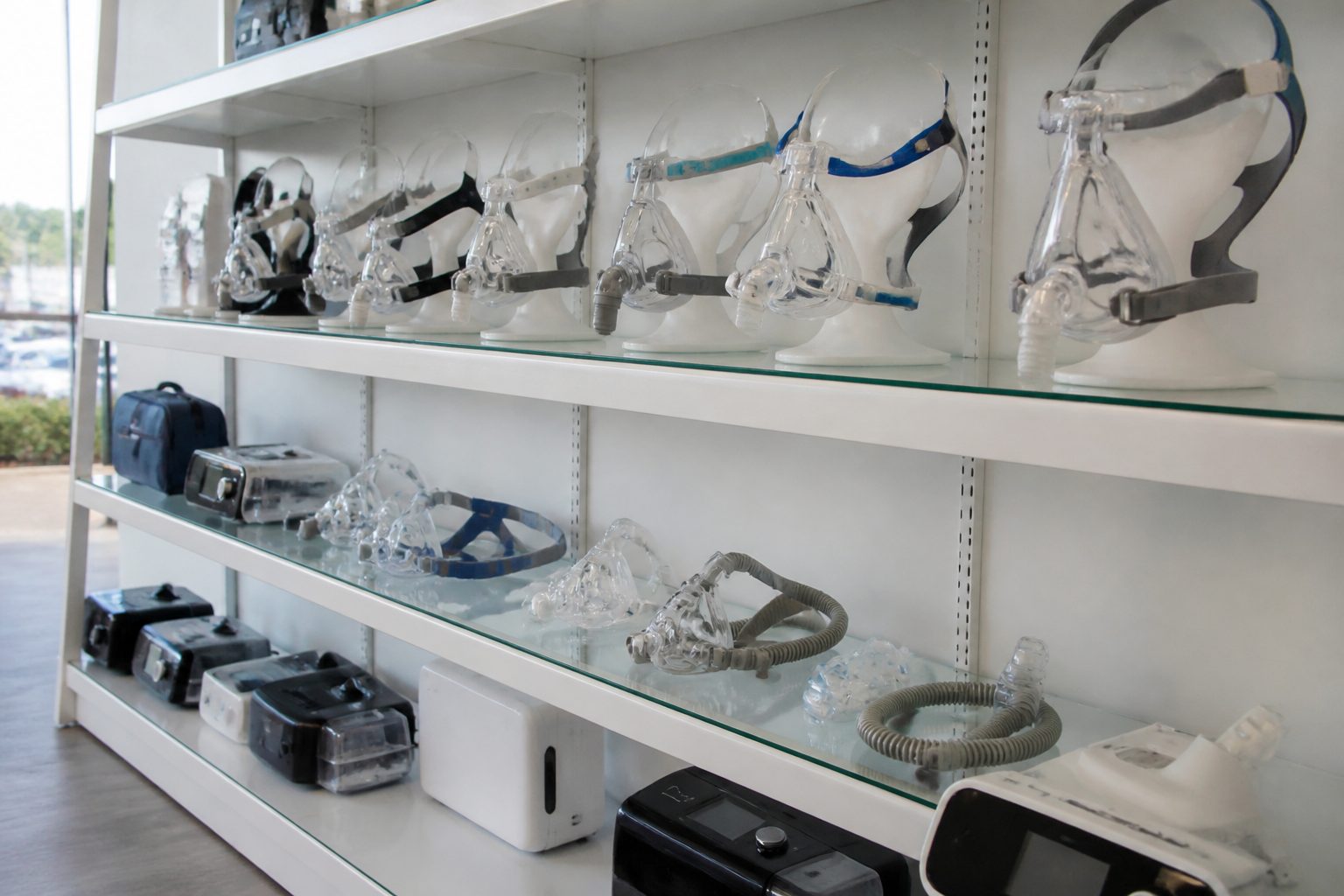
If you use a CPAP machine for sleep apnea, choosing the right mask matters for both comfort and your budget. The price difference between branded and generic CPAP masks can be significant, affecting long-term costs for patients and families.
This guide explains how branded and generic CPAP masks compare in cost across major countries, what impacts the price, and what you actually get for your money. If you’re deciding which to buy, or where to purchase, read on for practical details and cost-saving tips.
What is a CPAP mask and why does brand matter?
A CPAP (Continuous Positive Airway Pressure) mask is a vital component of sleep apnea therapy, designed to deliver a steady stream of pressurized air from a CPAP machine to the user’s airways, preventing airway collapse and ensuring uninterrupted breathing during sleep. Masks come in several styles—nasal masks, full face masks, and nasal pillow masks—each catering to different comfort needs, facial structures, and breathing patterns. The effectiveness of CPAP therapy heavily depends on a mask’s ability to form a secure, comfortable seal and remain stable throughout the night.
Brand matters for several reasons. Branded masks, produced by established manufacturers like ResMed, Philips Respironics, and Fisher & Paykel, benefit from years of research, user feedback, and technological innovation. These companies invest in advanced materials (such as hypoallergenic silicone or memory foam cushions), ergonomic designs, and features like magnetic clips or quick-release headgear. Branded masks often come with manufacturer warranties, better quality control, and customer support, which can be crucial if you encounter issues or require replacements.
Generic masks—sometimes called “aftermarket” or “compatible” masks—are manufactured by lesser-known or regional companies. While they are designed to fit most standard CPAP machines and often mimic the designs of popular branded models, they usually cost significantly less. However, generics may lack some of the comfort features, durability, or precise fit of their branded counterparts. In countries where branded masks are expensive or hard to find, generics can be a practical solution for budget-conscious patients, but it’s important to research the manufacturer’s reputation and return policy before purchasing. Ultimately, the choice between branded and generic masks depends on your budget, comfort preferences, and willingness to compromise on features or support.
Branded vs generic CPAP mask costs: Country comparison
The price of CPAP masks varies widely depending on brand, country, and where you buy (online, hospital, or local supplier). The table below compares indicative price ranges for a single CPAP mask (usually nasal or full face) in major countries, showing both branded and generic options.
| Country | Branded CPAP mask cost | Generic CPAP mask cost | Notes |
|---|---|---|---|
| USA | $90-$180 | $35-$70 | Wide online selection; insurance may cover part |
| UK | $80-$160 (£65-130) | $30-$60 (£25-50) | NHS may supply free; private purchases common |
| India | $65-$120 (₹5,400-10,000) | $18-$35 (₹1,500-2,900) | Major pharmacy chains and online stores |
| Pakistan | $80-$140 (PKR 22,000-39,000) | $25-$50 (PKR 7,000-14,000) | Imported masks cost more; limited local brands |
| Bangladesh | $75-$130 (৳8,000-14,000) | $22-$40 (৳2,400-4,400) | Availability varies by city |
| Indonesia | $90-$170 (Rp 1.4-2.7 juta) | $28-$55 (Rp 430,000-850,000) | Branded masks mostly imported |
| Philippines | $95-$175 (₱5,400-10,000) | $30-$60 (₱1,700-3,400) | Major cities have better availability |
| Germany | $85-$170 (€80-160) | $35-$65 (€33-61) | Health insurance may reimburse |
| Australia | $110-$200 (A$160-290) | $38-$75 (A$55-110) | Online sales common; some insurance support |
| UAE | $100-$180 (AED 370-660) | $32-$60 (AED 120-220) | Imported products dominate market |
What is included in the price?
When evaluating the cost of a CPAP mask, it’s crucial to understand exactly what you’re paying for, as the contents of the package can vary significantly between brands, generics, and suppliers. The base price typically covers the essential components: the mask frame, the cushion (which provides the seal against your face), and the headgear (the straps that hold the mask in place). For branded masks, especially from manufacturers like ResMed, Philips Respironics, or Fisher & Paykel, you may find added extras such as an additional cushion, a carrying pouch, or even cleaning wipes included in the box. These extras can add value, especially if you travel frequently or need spare parts on hand.
Generic masks, on the other hand, tend to focus on the essentials, often omitting extras to keep costs down. In some cases, the headgear may be sold separately, so it’s important to check the product description or confirm with the supplier before purchasing—otherwise, you may face unexpected additional expenses. Always ask for a full itemized list of what’s included, particularly if you’re buying online or from a new supplier.
It’s also important to budget for ongoing costs. Mask cushions, headgear straps, and sometimes even the mask frame itself need to be replaced regularly—usually every 3 to 12 months depending on usage, cleaning habits, and manufacturer recommendations. Branded replacement parts are generally more expensive (sometimes double the price of generic equivalents), but may offer better durability or comfort. In some countries, insurance may partially cover these replacements, but out-of-pocket costs can still add up over time. Make sure to factor in these recurring expenses when comparing the long-term value of branded versus generic CPAP masks.
What drives the price difference?
Several factors explain why branded CPAP masks cost more than generics:
- Research and development: Branded manufacturers invest in mask design, comfort features, and clinical testing, which adds cost.
- Materials and durability: Branded masks often use higher-grade silicone and softer plastics, potentially lasting longer and causing less irritation.
- Fit and comfort: Premium brands offer multiple sizes and advanced headgear systems for a better fit, which is critical for therapy compliance.
- Warranty and support: Branded masks may include a 90-day to one-year warranty and customer support for troubleshooting and returns.
- Distribution and import fees: In many countries, branded masks are imported, adding shipping and customs costs.
Generic masks may use simpler designs and materials, with less investment in comfort or durability. However, many users find them adequate, especially for short-term use or as a backup.
Quality and fit: Does generic mean lower quality?
The quality and fit of a CPAP mask are critical for effective sleep apnea therapy, and it’s a common misconception that all generic masks are inferior to branded ones. In reality, the quality of generic CPAP masks can vary widely. Some generic masks are produced by reputable manufacturers and are modeled closely after older versions of branded masks, offering similar materials and design at a lower price point. Others, however, may cut corners on materials, resulting in stiffer or less flexible cushions, less adjustable headgear, or rougher edges that can cause discomfort or skin irritation.
The biggest risk with generic masks is poor fit. An ill-fitting mask can lead to air leaks, which reduce the effectiveness of therapy, cause noise, and disturb sleep. Discomfort from a poor fit can also discourage consistent use, undermining the benefits of CPAP treatment. This is especially problematic for users with sensitive skin, facial hair, or unique facial structures, who may require more precise adjustments or softer materials—features more commonly found in branded masks.
However, many generic masks are compatible with a wide range of CPAP machines and can be a reasonable choice for those on a tight budget, particularly if you have experience with CPAP therapy and know what style and size work for you. Some suppliers, especially local ones, may offer trial fittings or satisfaction guarantees, allowing you to exchange the mask if it doesn’t fit properly. When considering a generic mask, look for detailed product descriptions, user reviews, and clear return policies. If possible, test the mask before committing to a purchase. Ultimately, while not all generics are low quality, careful selection and attention to fit are key to ensuring effective and comfortable CPAP therapy.
Hidden costs to watch for
When budgeting for a CPAP mask, it’s easy to focus on the sticker price and overlook several hidden or ongoing costs that can significantly impact your total expenditure. Understanding these extra expenses is crucial for accurate cost comparison between branded and generic options.
- Shipping fees: Online retailers, whether local or international, often add delivery charges that can range from $5 for domestic shipping to as much as $30 or more for international orders. In countries like India, Pakistan, and the Philippines, free shipping may only be available above a certain purchase amount, or may not apply to medical equipment at all.
- Customs duties and import taxes: Some countries classify CPAP masks as medical devices and may levy import taxes or customs duties, which can add 10–30% to your order’s cost. For example, in Indonesia and the Philippines, customs clearance can also delay delivery. Always check your country’s specific import regulations and factor in these taxes before ordering from overseas.
- Replacement parts: Essential components like mask cushions and headgear wear out over time and must be replaced periodically. Branded replacement cushions can cost $25–$60 each, while generic versions usually range from $8–$20. The frequency of replacement depends on usage, but most users need new cushions every 3–6 months and new headgear every 6–12 months.
- Adapters and compatibility: Some generic masks may require an adapter to fit certain CPAP machines, particularly if you’re mixing brands. These adapters typically cost $5–$15 and may not always be included in the mask package. Always verify compatibility before purchasing to avoid surprise costs or non-functional equipment.
- Returns and exchanges: Due to hygiene regulations, most suppliers (both online and local) will not accept returns on opened or used masks, even if the fit is poor. Some sellers only allow returns on unopened items, and may charge restocking fees. This means that if you buy a mask that doesn’t fit, you might have to absorb the cost or try to resell it privately.
To avoid unexpected expenses, always read the fine print on shipping, returns, and included accessories. If possible, purchase from suppliers who offer fitting services or a satisfaction guarantee. Factor in these hidden costs when comparing the true price of branded versus generic CPAP masks, especially if you’re on a tight budget or need to replace parts frequently.
How to save money on CPAP masks safely
There are several ways to reduce your CPAP mask costs without sacrificing safety or effectiveness:
- Buy from authorized suppliers: Avoid suspiciously cheap deals or unknown online sellers. Counterfeit masks are a real risk and may not be safe.
- Use health insurance: In some countries, insurance or national health systems cover part or all of the cost for CPAP masks, especially branded ones.
- Look for bundles: Some suppliers offer discounts when buying a mask with a CPAP machine or multiple replacement cushions.
- Check for patient assistance programs: Major manufacturers have assistance for low-income patients in some regions.
- Consider older models: New mask models command premium prices; older versions may be discounted but still high quality.
Never buy used masks, as they cannot be properly sterilized. Always consult your doctor or sleep specialist before switching mask types or brands.
Where to buy: Pharmacy chains, online, and local suppliers
CPAP masks are available through a range of purchasing channels, each with their own cost implications, convenience, and product selection. In countries like India, Pakistan, the Philippines, and Indonesia, major pharmacy chains such as Apollo Pharmacy, MedPlus, D.Watson, Mercury Drug, and Kimia Farma sometimes stock CPAP masks, but their selection is often limited to a few branded models. These chains may offer the advantage of in-person customer service and the ability to see products before buying, but prices can be higher due to overhead costs and limited competition.
Online retailers, including global platforms like Amazon and Flipkart as well as specialized sites such as CPAP.com and Medisafe, provide a much wider variety of both branded and generic CPAP masks. Online shopping often allows you to compare prices, read user reviews, and access discounts or bundled deals. However, buyers should exercise caution with unfamiliar or unverified sellers to avoid counterfeit products or poor customer support. Always check for secure payment options and clear return policies.
Local medical equipment suppliers and sleep clinics are another option. These suppliers frequently offer personalized fitting services, which can be invaluable for first-time users or those with unique facial structures. While the upfront cost may be higher compared to online deals, a proper fit can prevent air leaks and discomfort, ultimately saving money by reducing the need for replacement masks. In some countries, these suppliers may also help navigate insurance reimbursement or provide rental options for short-term use. When purchasing locally, ask about after-sales support, warranty coverage, and availability of replacement parts to ensure long-term satisfaction with your CPAP therapy.
Frequently asked questions
Are generic CPAP masks safe to use?
Most generic CPAP masks are safe if purchased from a reputable supplier and meet relevant safety standards. However, quality and fit may vary more than with branded masks, so check compatibility and return policies before buying.
How often should I replace my CPAP mask?
It’s generally recommended to replace the entire mask every 6-12 months, and cushions or nasal pillows every 1-3 months, depending on wear and hygiene needs. Branded masks may last slightly longer, but replacement frequency depends on usage and care.
Can I use a generic mask with my branded CPAP machine?
Most generic masks are designed to be compatible with standard CPAP machines, but always check for specific compatibility with your device. Some machines or masks may require an adapter, especially for less common brands.
Why are branded masks so much more expensive?
Branded masks reflect investment in design, comfort features, clinical testing, better materials, and customer support. Import duties and distribution costs also add to the price in many countries, especially for imported brands.
Is it worth paying more for a branded mask?
For many users, the extra comfort, durability, and support of branded masks justify the higher cost, especially for long-term use. However, if on a tight budget, generic masks can be a reasonable option, provided you can ensure a good fit and buy from a reputable source.
Related guides
Disclaimer: All prices are indicative and may vary by location, supplier, and individual needs. Always obtain a detailed written quote and consult a qualified doctor or sleep specialist before purchasing or changing CPAP masks.