
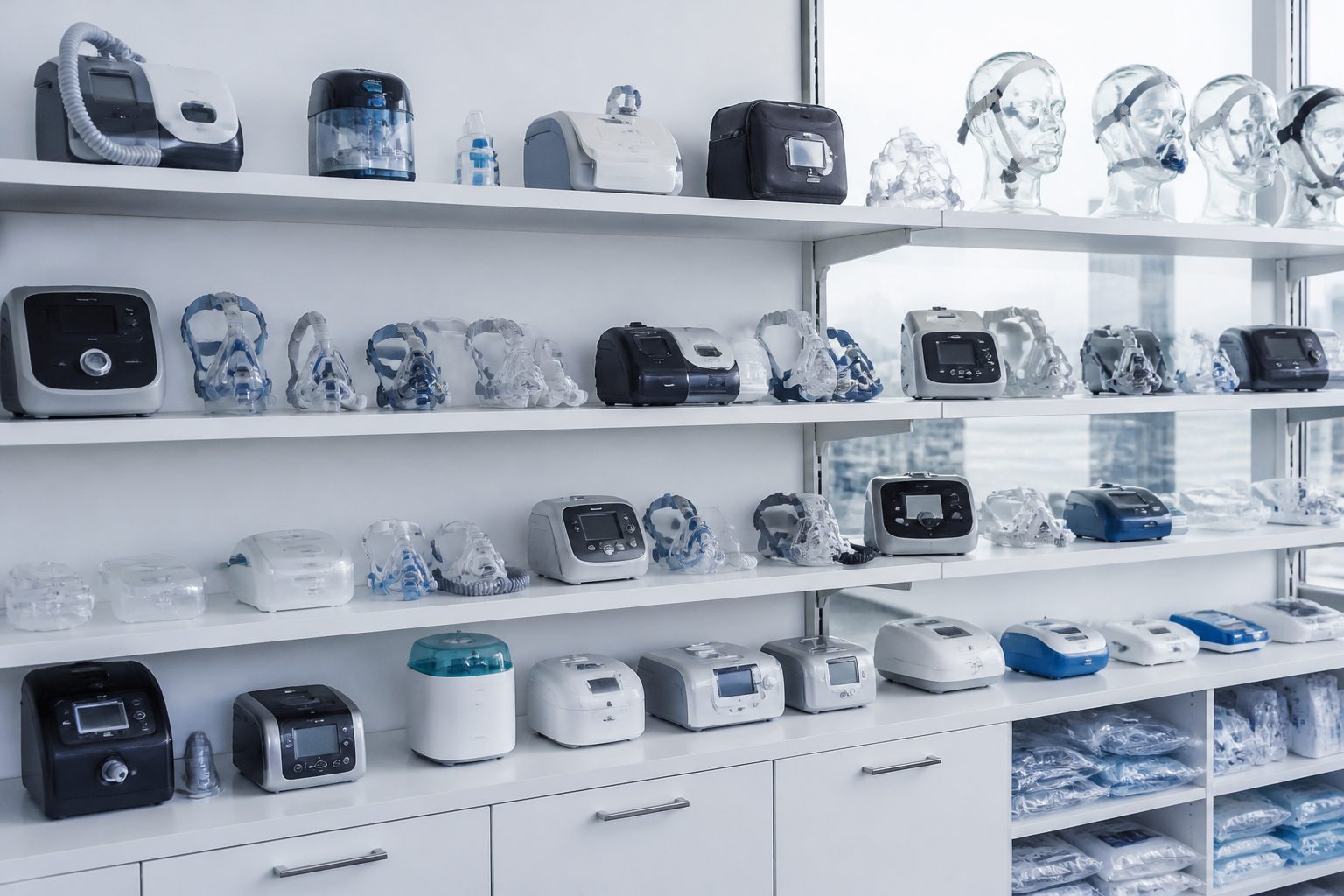
If you need a CPAP machine for sleep apnea, Mexico offers significantly lower prices than the US and many other countries. Most patients can expect to pay $450-$900 for a new device, with options for both global and local brands.
This guide covers how to find affordable CPAP machines in Mexico, what’s included in the price, top pharmacy chains, online buying options, and how costs compare globally. It’s designed for patients and families seeking practical, reliable information on saving money on CPAP therapy.
How much does a CPAP machine cost in Mexico?
In Mexico, new CPAP machines typically cost between $450 and $900 USD (8,000–16,000 MXN). This price range covers reputable global brands like ResMed and Philips as well as reliable local brands. Basic models are at the lower end, while advanced models with humidifiers, auto-adjusting pressure, or integrated connectivity cost more. Used and refurbished CPAPs may be available for $250–$400, but are less common and require careful sourcing.
Prices in Mexico are consistently lower than in the US, where a new CPAP machine often costs $850–$1,800. By comparison, you will also pay less for replacement masks and accessories. However, prices vary by location, device features, and whether you buy in person or online.
What is included in the price?
When purchasing a CPAP machine in Mexico, it is important to understand exactly what comes with your purchase, as the included items can significantly impact both the initial price and your ongoing expenses. A standard CPAP package typically consists of the main device, a power cord compatible with Mexican outlets, and a basic mask—often a nasal mask—along with the necessary tubing to connect it to the machine. Some sellers may also provide a travel case or carrying bag, which is especially useful for patients who need to transport their device for work or travel purposes. Additionally, starter filters may be included, but the quantity and type can vary depending on the brand and supplier.
Higher-end or premium models sometimes come equipped with advanced features such as an integrated or detachable heated humidifier, which helps prevent dryness and irritation during use. These packages may also offer a choice between different mask types, such as full-face masks, nasal pillows, or pediatric options, allowing for a more customized fit. However, it is essential to confirm with the seller what is included in the package, as accessories and mask types can dramatically affect the total cost. Some suppliers may offer bundled deals that include extra filters or cleaning supplies, while others may charge separately for each component.
Replacement parts are a recurring cost to keep in mind. Masks, tubing, filters, and humidifier chambers generally need to be replaced periodically for hygiene and optimal performance. In Mexico, a quality replacement mask typically costs between $35 and $80 USD, depending on the brand and style. Tubing is usually sold separately for $10 to $20 USD. Filters and humidifier chambers are additional expenses, and their prices can vary. Extended warranties, which provide coverage against defects or malfunctions, are available from some sellers for an extra fee and may be worth considering, especially for imported or higher-end machines. To avoid surprises, always request a detailed list of included items and ask about the cost and availability of replacement parts before finalizing your purchase.
Where to buy CPAP machines in Mexico
In Mexico, CPAP machines can be purchased through a variety of channels, each offering different advantages in terms of selection, price, and support. Large national pharmacy chains, such as Farmacias del Ahorro, Farmacias Guadalajara, and Farmacias San Pablo, carry select models and basic accessories. These pharmacies are widespread in urban areas and often have staff trained to provide basic information about CPAP therapy and device options. However, their selection may be limited to a few popular models and brands, and they may need to order specific devices or accessories for you, which can take several days.
For a broader range of choices, dedicated medical supply stores—known locally as proveedores de equipo médico—are an excellent option. These stores, found in major cities like Mexico City, Guadalajara, and Monterrey, typically offer a wide selection of CPAP machines, masks, and accessories from both global and local brands. The staff at these stores can often provide personalized fitting, demonstrations, and advice on maintenance and usage. Hospital pharmacies, especially those attached to private hospitals and clinics such as Ángeles or Star Médica, sometimes stock premium brands and may offer after-sales support and maintenance services, though their prices may be higher than independent suppliers.
Online shopping is increasingly popular and convenient, especially for those living in smaller towns or rural areas. Platforms like Linio, Mercado Libre, and Amazon Mexico feature a wide array of CPAP machines and accessories, often at competitive prices. These sites typically include user reviews and seller ratings, helping you assess the reliability of both the product and the supplier. When buying online, it is crucial to check whether the seller is an authorized distributor and whether the device comes with a valid warranty in Mexico. Some sellers, especially those offering advanced or imported models, require a doctor’s prescription, so be prepared to provide medical documentation if asked. Always compare prices, check return and warranty policies, and confirm shipping costs and delivery times before making your purchase.
Pharmacy chains and medical supply stores
Pharmacy chains and specialized medical supply stores are among the most reliable places to purchase CPAP machines in Mexico, especially if you prefer in-person service and immediate support. Major chains like Farmacias del Ahorro and Farmacias Guadalajara have expanded their offerings to include a range of medical devices, including CPAP machines and accessories. These pharmacies are widely present in cities and larger towns, making them accessible for many patients. Staff members are generally trained to explain the differences between models, demonstrate basic device operation, and help you choose suitable masks and accessories. Some branches keep popular CPAP models in stock for immediate purchase, while others may need to order specific devices or replacement parts, which can usually be picked up within a few days.
Hospital pharmacies, particularly those attached to private hospital networks like Ángeles and Star Médica, often stock premium brands and offer additional services such as personalized fitting, device setup, and after-sales support. This can be especially helpful for patients who require ongoing assistance or troubleshooting. Prices at hospital pharmacies may be higher, but the added support and access to medical professionals can be valuable, especially for new users or those with complex needs.
Specialized medical equipment stores, such as Equipos Médicos Vizcarra, Quirumedica, and similar suppliers, provide the most comprehensive selection of CPAP devices, masks, and accessories. These stores are concentrated in major urban centers like Mexico City, Guadalajara, Monterrey, and Puebla, but some also offer nationwide delivery. The advantage of shopping at these stores includes access to expert staff who can perform personalized fittings, demonstrate cleaning procedures, and offer advice on long-term maintenance. Many also provide repair services and stock a wide variety of replacement parts, making them a one-stop shop for ongoing CPAP needs. If you live outside a major city, check if these stores have an online presence or offer phone consultations, as many now provide virtual support and shipping across Mexico.
Online pharmacies and e-commerce options
For many patients in Mexico, especially those living outside major metropolitan areas, purchasing a CPAP machine online is a convenient and often cost-effective option. The leading e-commerce marketplace is Mercado Libre, which features a wide selection of both new and used CPAP machines from individual sellers and professional medical supply stores. This platform allows you to compare prices, read customer reviews, and check seller ratings, providing valuable insight into product quality and reliability. Linio and Amazon Mexico are also popular options, offering major global brands and a variety of accessories with the added security of established e-commerce infrastructure and customer service.
When buying a CPAP machine online, it is crucial to prioritize sellers with high ratings, detailed product descriptions, and clear return policies. Some global brands, such as ResMed and Philips Respironics, will only honor warranties if the device is purchased from an authorized Mexican distributor, so verify the seller’s credentials before completing your transaction. Shipping costs and delivery times can vary depending on your location—major cities typically see delivery in 2–5 business days, while remote areas may experience longer wait times and higher shipping fees.
Another important consideration is the requirement for a doctor’s prescription. While some online retailers will request a copy of your prescription before selling a CPAP machine, others may not, particularly for basic or generic models. Regardless, it is always advisable to consult with a healthcare provider to ensure you are purchasing the correct device and pressure settings for your needs. Finally, be aware of the risks of purchasing used or imported devices from unofficial sellers, as these may lack valid warranties or local support. To maximize your investment, look for online stores that offer post-sale support, easy access to replacement parts, and clear communication channels in case you need assistance after your purchase.
CPAP machine prices compared: Mexico vs other countries
Mexico’s CPAP machine prices are among the lowest in North America, often on par with India and below the US, Canada, and Western Europe. The table below compares the indicative price range for a new standard CPAP machine in several countries. Prices are for new devices, not including the cost of a sleep study or doctor’s prescription.
| Country | Typical CPAP price (USD) | Local price (approx.) | Notes |
|---|---|---|---|
| Mexico | $450–$900 | 8,000–16,000 MXN | Wide brand choice; pharmacies and online |
| United States | $850–$1,800 | — | Higher price; insurance may help |
| Canada | $700–$1,500 | 950–2,000 CAD | Provincial coverage in some areas |
| India | $350–$700 | ₹29,000–58,000 | Mostly imported brands |
| UK | $600–$1,200 | £470–£950 | NHS covers cost for qualifying patients |
| Australia | $800–$1,400 | 1,200–2,200 AUD | Some insurance coverage |
| Philippines | $500–$1,000 | ₱28,000–56,000 | Imported brands; limited after-sales |
| Germany | $900–$1,600 | €830–1,470 | Insurance covers most costs |
Generic vs branded CPAP machines
When shopping for CPAP machines in Mexico, you will encounter both internationally recognized brands and more affordable generic or local alternatives. Global brands such as ResMed, Philips Respironics, and DeVilbiss are widely regarded for their durability, precise pressure delivery, and comprehensive after-sales support. These branded machines often come with advanced features like data tracking, quiet operation, and compatibility with a wide range of masks and accessories. However, the reliability and reputation of these brands come at a higher price—branded devices can cost significantly more upfront and for replacement parts.
On the other hand, generic or local brands—some manufactured within Mexico or imported from other countries—typically cost 20–30% less than their branded counterparts. These machines may appeal to patients on a tight budget or those seeking a secondary or backup device. While some generic models meet international safety standards and receive positive feedback from users, others may lack certain features, have less robust construction, or offer limited options for mask compatibility. After-sales service and technical support for generic brands can also be less accessible, which is an important consideration if you anticipate needing repairs or replacements.
For most patients, especially those planning to use the device long-term, investing in a branded machine is usually worthwhile due to the ease of finding replacement parts, broader warranty coverage, and greater assurance of consistent therapeutic pressure. However, some Mexican local brands are approved by COFEPRIS (the country’s health regulatory agency), and their devices are considered safe for use. Regardless of your choice, always check for warranty terms, the availability of compatible masks and accessories, and certification by Mexican health authorities. Requesting user reviews, consulting with your doctor or sleep specialist, and comparing after-sales support options can help you make an informed decision that balances cost with quality and reliability.
Hidden costs and what is not included
When budgeting for a CPAP machine in Mexico, consider these additional expenses:
- Doctor’s prescription: Required by most reputable sellers. A sleep study may cost $250–$500 in private clinics.
- Masks and accessories: Extra masks, tubing, filters, and humidifier chambers are sold separately. Expect $50–$120 for a full set.
- Maintenance: Replacement filters ($10–$20) and masks (every 6–12 months) add to annual costs.
- Travel adapters: US-style plugs are standard, but check voltage if traveling.
- Shipping: Online purchases may have delivery fees ($10–$30), especially to remote areas.
Insurance rarely covers CPAP machines for foreign patients or medical tourists in Mexico. Mexican public insurance (IMSS, ISSSTE) usually does not supply CPAPs except in limited specialist clinics.
How to save safely on CPAP machines in Mexico
To save on CPAP therapy without compromising safety:
- Compare prices at several pharmacies, medical supply stores, and online retailers.
- Look for package deals including extra masks or humidifiers.
- Verify the seller’s reputation and warranty terms, especially online.
- Ask if the device is new, refurbished, or open-box. Avoid used machines unless you can verify hygiene and service history.
- Bring a doctor’s prescription, which may be required for purchase and warranty support.
- Consider buying replacement masks and filters in bulk to save on future costs.
Some clinics and sleep centers partner with suppliers for discounted prices if you have a prescription from their doctors. If staying in Mexico for an extended period, local clinics may offer follow-up support or mask fitting services.
Frequently asked questions
Do I need a prescription to buy a CPAP machine in Mexico?
Most reputable pharmacies and medical suppliers in Mexico require a doctor’s prescription to sell a CPAP machine, especially for auto-adjusting or advanced models. Some online sellers may not ask for one, but a prescription is recommended for proper setup and warranty coverage.
Are CPAP machines from Mexico covered by US or Canadian insurance?
CPAP machines purchased in Mexico are generally not covered by US or Canadian insurance, and claims may be denied if the device is bought abroad. Always check with your insurer before purchasing if you plan to seek reimbursement.
Can I buy replacement masks and accessories in Mexico?
Yes, most pharmacy chains and medical supply stores in Mexico sell replacement masks, tubing, filters, and other accessories for major CPAP brands. Availability may be limited outside large cities, so plan ahead or order online if needed.
Are CPAP machines in Mexico genuine and safe?
Branded CPAP machines sold by established pharmacies and medical suppliers in Mexico are genuine and meet safety standards. Avoid buying from unverified online sellers or street markets, as counterfeit or used devices may not be safe or reliable.
Can I use a CPAP machine bought in Mexico in other countries?
Most CPAP machines sold in Mexico use standard voltage (110V) and US-style plugs, making them compatible in the US and many countries. Always check voltage and plug compatibility before traveling or using the device abroad.
Related guides
Disclaimer: Prices and product details are indicative and may vary by location, brand, exchange rate, and individual needs. Always consult a qualified doctor for diagnosis and treatment, and obtain a written quote from your supplier before purchase.