
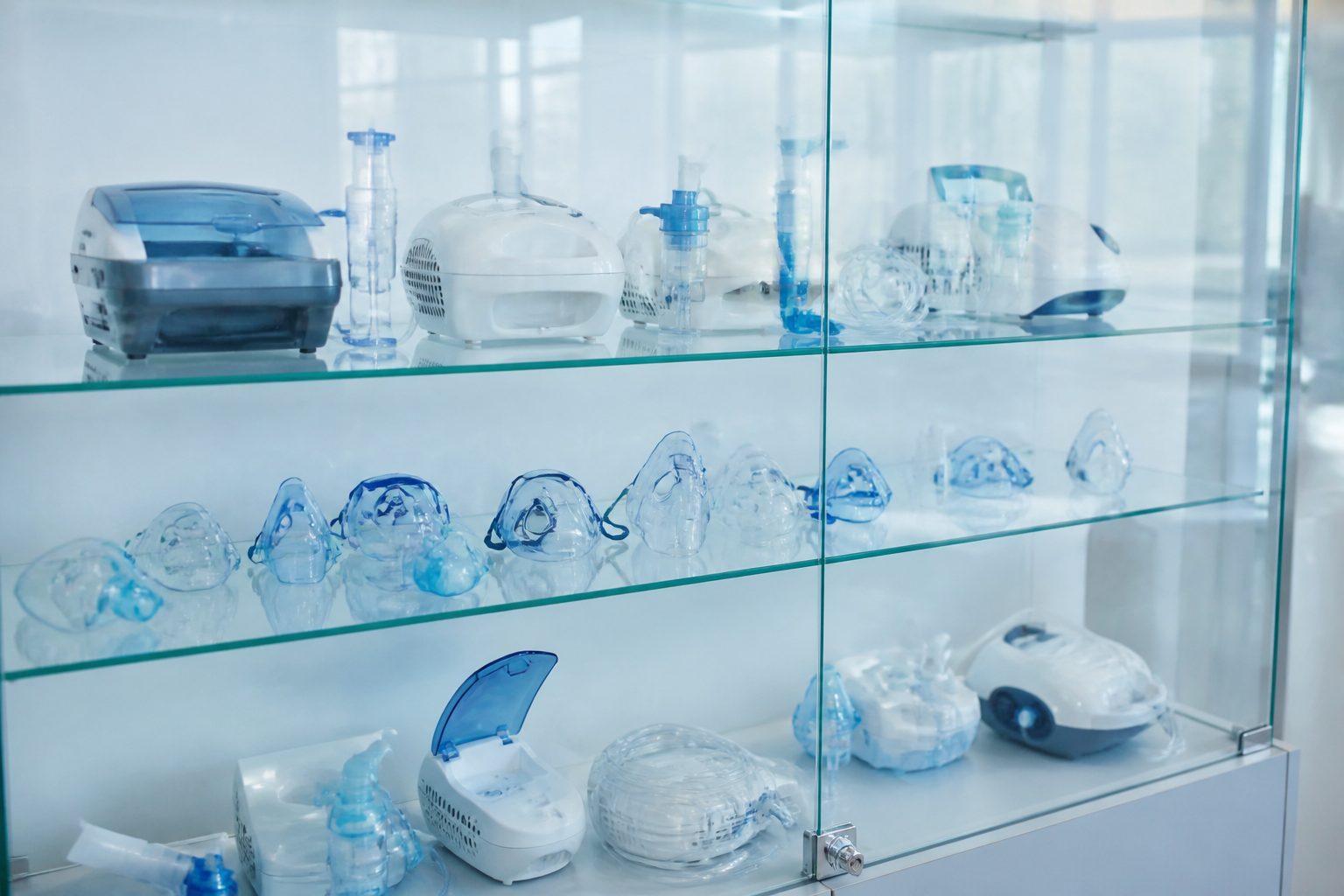
If you or a family member needs a home nebulizer for asthma, COPD, or another lung condition, Vietnam offers a wide range of options. Most patients pay $45-$120 for a new device, with both local and international brands available at pharmacies and medical supply stores.
Compared to prices in the US, UK, or other Western countries, nebulizers in Vietnam are generally more affordable. This article explains typical costs, what’s included, where to buy, and how prices compare to other countries.
How much does a home nebulizer cost in Vietnam?
The cost of a home nebulizer in Vietnam varies widely depending on the brand, technology, included accessories, and point of sale. Most home nebulizers are priced between $45 and $120 (₫1,100,000–2,900,000). At the lower end of this range, you’ll find basic piston-type or compressor models from local or regional brands, which are suitable for occasional use or as a backup device. These simpler units often come with standard accessories but may have a shorter warranty period and less robust construction.
Premium models, including compact or mesh nebulizers from international brands like Omron, Philips, or Beurer, are positioned at the higher end of the price spectrum. These devices are quieter, more portable, and often feature advanced technology for faster and more efficient medication delivery. They may also include additional accessories, such as multiple masks, extra medication chambers, or travel cases, which can further increase the price.
It is possible to find very basic tabletop models for as little as $35 (₫850,000), but these are less common in major pharmacy chains and may lack key features such as a warranty, after-sales support, or certified safety standards. When shopping, always verify what is included in the package—most standard kits will provide the main machine, a mouthpiece, at least one mask, and tubing. Some packages, especially during promotional periods or at larger pharmacy chains, may also include a starter set of saline or a few ampoules of basic medication, but this is not guaranteed.
Keep in mind that replacement parts (such as masks and tubing) and prescription medications are not usually included in the base price and represent ongoing costs. Prices may also fluctuate between urban and rural areas, with slightly higher costs in major cities due to increased overhead and demand. Always compare prices at different retailers, both online and offline, to ensure you are getting the best deal for your needs and budget.
Vietnam home nebulizer prices compared to other countries
Prices for nebulizers vary widely across countries due to differences in brand availability, import taxes, and local demand. The table below compares typical retail prices for a basic home nebulizer (not including medication) in several key markets. All prices are for new, non-prescription tabletop or compact devices suitable for home use.
| Country | Typical price range (USD) | Local price (approx.) | Notes |
|---|---|---|---|
| Vietnam | $45–$120 | ₫1,100,000–2,900,000 | Available at major pharmacies, medical supply stores, online |
| India | $30–$90 | ₹2,500–7,500 | Wide range, local and imported brands, strong online market |
| Philippines | $60–$130 | ₱3,300–7,200 | Imported devices higher, local brands at lower end |
| Indonesia | $55–$140 | Rp 850,000–2,100,000 | Available at pharmacies, online, hospital supply shops |
| Pakistan | $40–$110 | Rs 11,000–30,000 | Mostly imported; check for warranty and after-sales support |
| United States | $70–$180 | $70–$180 | Prescription usually required for purchase/insurance |
| United Kingdom | $85–$200 | £68–£160 | Often supplied by NHS; retail prices higher for private purchase |
| Germany | $80–$210 | €74–€195 | Covered by insurance for some patients; retail prices higher |
What’s included in the price?
When you purchase a home nebulizer in Vietnam, the advertised price typically covers a basic set of essential components required for immediate use. Most standard kits include the following items:
- Main compressor or mesh unit: This is the core device that generates the airflow or vibrations needed to convert liquid medication into a fine mist for inhalation. The technology varies between piston (compressor) and mesh types, which can affect both price and performance.
- One adult mask and one child mask (or a mouthpiece): Masks are usually made of soft plastic or silicone and are sized for both adults and children. Some kits may substitute a mouthpiece for one of the masks, especially if the device is intended for adult use only. Pediatric masks may not always be included in the lowest-cost models, so check if you need one for a child.
- Tubing and medication chamber: The tubing connects the compressor to the medication chamber, which holds the liquid medication or saline solution. These parts are necessary for the nebulization process and are generally included in all kits.
- Power supply or USB cable: Depending on the model, you may receive either a traditional wall plug (for tabletop units) or a USB cable (for portable, battery-powered, or travel-friendly models). Always ensure the power adapter is compatible with Vietnamese outlets and voltage.
Some retailers, especially larger pharmacy chains or hospital-linked stores, may bundle a starter pack of sterile saline solution or a limited supply of basic bronchodilator ampoules. However, prescription medications such as salbutamol or budesonide are almost never included due to local regulations and must be purchased separately with a doctor’s prescription. It’s important to scrutinize the box contents and ask the seller for a detailed list, particularly if you require pediatric masks, additional mouthpieces, or extra chambers for frequent use. Optional accessories like carrying cases, extra filters, or spare parts may be sold separately or bundled during promotional periods. Always clarify what is included to avoid unexpected expenses after your purchase.
Generic vs branded nebulizers
In Vietnam, the home nebulizer market features a wide range of choices between internationally recognized brands and more affordable generic or regional options. International brands such as Omron, Philips, and Beurer are well-established and typically offer devices with a reputation for durability, consistent performance, and lower noise levels. These brands often provide a 1–3 year manufacturer warranty, access to authorized service centers in major cities like Hanoi and Ho Chi Minh City, and easier availability of replacement parts such as masks, filters, and medication chambers.
On the other hand, local or regional brands (for example, Microlife, Bionime, Medisana, and Yuwell) and generic models are widely available in pharmacies, medical equipment stores, and online marketplaces. These devices are usually 20–30% less expensive than their branded counterparts, making them attractive for budget-conscious buyers. Most generic devices use similar compressor technology but may differ in build quality, noise output, and reliability. After-sales support and warranty coverage tend to be more limited, and replacement parts might not be as readily available, especially in rural areas or smaller cities.
When deciding between generic and branded nebulizers, consider your expected frequency of use and the age of the primary user. For patients with chronic respiratory conditions, young children, or elderly family members, investing in a reputable brand can provide peace of mind, better long-term value, and easier access to technical support. For occasional use or emergency backup, a generic model might suffice, but be sure to verify the availability of service and spare parts. Additionally, some health insurance policies in Vietnam may only reimburse purchases of devices from recognized brands, so check your coverage details if this is a concern.
Top pharmacy chains and online options
In Vietnam’s largest cities, you can find home nebulizers at leading pharmacy chains such as Pharmacity, Long Chau, and Medicare. These stores often stock both international and local brands and provide basic guidance on use. Prices are usually fixed and transparent. For more variety, medical supply shops near major hospitals (especially in Ho Chi Minh City and Hanoi) may have a wider range, including hospital-grade models.
Online retailers like Tiki, Shopee, and Lazada list hundreds of nebulizer models, often with customer reviews and ratings. Some official brand stores operate on these platforms, offering authentic products and warranty support. Be wary of unbranded devices from unknown sellers, as quality and after-sales service can be uncertain.
Hidden costs to consider
The initial price tag of a home nebulizer in Vietnam often does not reflect the full cost of ownership, especially if you plan to use the device regularly or for multiple family members. Several additional expenses can accumulate over time, so it’s important to budget for these hidden costs:
- Medication: The most significant recurring expense is the medication itself. Common drugs such as salbutamol, ipratropium, budesonide, or sterile saline ampoules are not included with the nebulizer and must be purchased separately at pharmacies. Prices typically range from $0.15 to $1 per dose, depending on the medication type, dosage, and whether you choose a local or imported brand. Children or patients with chronic conditions may require daily doses, which can add up quickly.
- Replacement masks and tubing: For hygiene and optimal performance, masks and tubing should be replaced every 3–6 months, or sooner if used frequently or shared between family members. Replacement sets generally cost between $3 and $10, depending on the brand and whether you buy original or compatible parts. Some international brands may charge more for certified accessories.
- Repairs and maintenance: While most branded nebulizers come with a warranty, repairs for out-of-warranty devices or replacement of key components (like the compressor or mesh element) can cost $20–$50 or more. Generic models may be harder to service, and spare parts may not be locally available, potentially requiring the purchase of a new device if something breaks.
- Electricity: Although home nebulizers consume relatively little power (typically 30–60 watts per session), frequent or daily use can add a small amount to your monthly electricity bill. This is more relevant for families with multiple users or those managing chronic respiratory conditions.
Other potential costs include the purchase of additional accessories (like pediatric masks, travel cases, or extra medication chambers) and the need for regular cleaning supplies to maintain hygiene. Always check the warranty terms carefully to understand what is covered and whether there are authorized service centers in your area. If you buy online, confirm that the seller provides access to replacement parts and technical support locally, as international shipping for repairs can be costly and time-consuming.
How to save safely on a nebulizer in Vietnam
Finding an affordable home nebulizer in Vietnam without compromising on safety or reliability requires a strategic approach. Here are practical steps and tips to help you save money while ensuring you get a quality product:
- Buy from reputable sources: Purchase from established pharmacy chains, hospital-affiliated stores, or official online shops to reduce the risk of counterfeit or substandard devices. Reputable sellers often provide better after-sales service, genuine warranties, and reliable replacement parts.
- Compare prices and watch for promotions: Prices can vary significantly between retailers and online platforms such as Shopee, Lazada, or Tiki. Take the time to compare offers and look out for discounts during special sales events, holidays, or end-of-year promotions. Some pharmacies may also offer bundle deals with medication or accessories.
- Check warranty and service center locations: Before buying, ask about the length of the warranty and where you can get the device serviced if needed. International brands typically offer longer warranties and have authorized service centers in major cities, which can save you repair costs in the long run.
- Match the device to your needs: If you only need a nebulizer for occasional or emergency use, a basic model from a reputable local brand may suffice. For daily use, young children, or people with chronic conditions, it’s wise to invest in a trusted international brand with proven reliability and support.
- Explore insurance and rental options: Some Vietnamese health insurance plans may partially cover the cost of a nebulizer if prescribed by a doctor. Check with your provider about reimbursement policies. Additionally, hospitals and clinics in larger cities often rent out nebulizers for short-term use, with rates typically ranging from $10–$20 per week. Renting can be a cost-effective option if you only need the device temporarily, such as during acute illness or recovery.
Always verify that replacement parts and consumables (like masks and tubing) are locally available before committing to a specific model, especially if purchasing online. By following these steps, you can minimize your expenses while ensuring you have a safe and effective device for managing respiratory conditions at home.
How to choose the right nebulizer for your needs
When selecting a home nebulizer in Vietnam, consider:
- Type: Compressor (piston) models are the most common and affordable; mesh and ultrasonic models are quieter and more portable but cost more.
- Noise level: If the device will be used with children or at night, look for models advertised as low-noise (under 55 dB).
- Ease of cleaning: Devices with fewer parts are easier to clean and maintain.
- Power source: For travel or areas with unreliable electricity, battery or USB-powered models are useful.
- Warranty and support: Choose brands with local service centers and clear warranty terms.
If you are unsure, consult a respiratory therapist or your prescribing doctor, who may recommend a suitable brand or model based on your specific condition and usage needs.
Frequently asked questions
Do I need a prescription to buy a nebulizer in Vietnam?
No prescription is needed to buy a basic home nebulizer in Vietnam. However, some medications used in a nebulizer do require a doctor’s prescription, so plan accordingly.
Are imported nebulizers better than local brands?
Imported brands often have stronger warranties and quieter operation, but many local and regional brands offer good reliability for home use. Choose based on usage needs and after-sales support.
Where can I buy replacement parts or accessories?
Major pharmacies, medical supply stores, and official online brand stores typically stock masks, tubing, and medication chambers. Always check compatibility with your model before buying.
Is it safe to buy a nebulizer online in Vietnam?
Yes, if you purchase from reputable platforms (Tiki, Shopee, Lazada) and official brand stores. Avoid deals that seem too cheap or lack clear warranty information to reduce risk of counterfeits.
What maintenance does a home nebulizer require?
Regular cleaning of masks, tubing, and medication chambers is essential. Replace accessories every 3–6 months. Follow the manufacturer’s manual for specific cleaning and storage instructions.
Related guides
Disclaimer: Prices and product availability are indicative and vary by location, model, and exchange rates. Always confirm the total cost and what’s included before purchase, obtain a written quote if possible, and consult a qualified doctor for medical advice and device selection.