
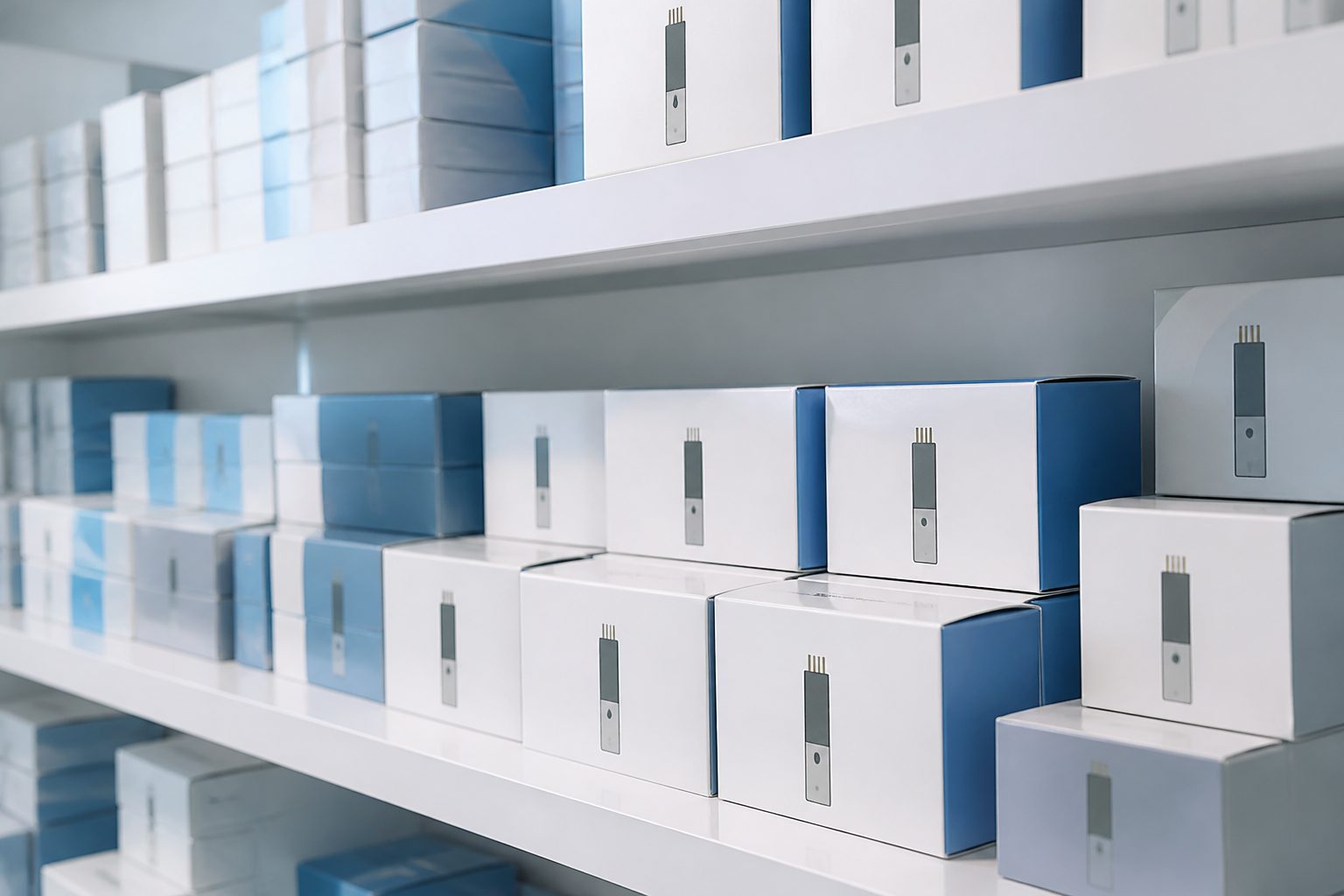
If you’re managing diabetes in Bangladesh, finding affordable glucometer strips is essential for regular blood sugar monitoring. This guide details where to buy discounted strips, typical prices, and practical tips to save safely.
We cover brick-and-mortar pharmacies, online stores, and compare the cost of glucometer strips in Bangladesh with other countries. You’ll also learn what to check before buying, how to avoid counterfeits, and ways to make your diabetes care more affordable.
Why glucometer strips are costly—and how to save
Glucometer strips are a recurring expense for people with diabetes, often costing more than the original meter over time. In Bangladesh, prices can vary widely depending on brand, where you buy, and whether you choose imported or locally produced strips. Most patients use 2-4 strips daily, which adds up to 60-120 strips per month. For many families, this cost can be significant.
The main ways to save on glucometer strips in Bangladesh include buying in larger packs, comparing prices across pharmacies, using verified online stores, and considering generic or house-brand strips compatible with your meter. Some hospitals and diabetes associations also run subsidised supply programs. However, always prioritise safety and avoid unregulated sources, which may sell expired or counterfeit strips.
Where to buy glucometer strips in Bangladesh
Glucometer strips are widely available across Bangladesh, especially in urban centers where healthcare infrastructure is more developed. In cities like Dhaka, Chittagong, and Khulna, you can purchase strips at most large pharmacies and hospital dispensaries. Leading pharmacy chains such as Lazz Pharma, Apollo Pharmacy, Opsonin Pharma retail outlets, and UniMed UniHealth are known for carrying a broad selection of strips for popular brands including Accu-Chek, OneTouch, and GlucoDr. These outlets are generally reliable in terms of product authenticity and storage conditions, which is crucial for the accuracy of your blood sugar readings.
The rise of online pharmacies has made it even easier to buy glucometer strips from anywhere in Bangladesh. Websites like BanglaMeds, Arogga, and Pharmacy.com.bd allow you to browse a range of brands, compare prices, and often benefit from bulk discounts or periodic sales. Online ordering is especially convenient if you live outside major cities or have mobility issues. However, always verify that the online pharmacy is registered with the Directorate General of Drug Administration (DGDA) to avoid counterfeit products. Some online platforms offer home delivery, but be sure to factor in potential shipping fees, especially for deliveries to rural areas.
In smaller towns and rural areas, the choice of brands and strip types may be limited, but most district-level pharmacies will stock at least one or two common types. If your local pharmacy does not carry strips compatible with your meter, ask if they can order them for you—most are willing to do so, though it may take a few days. For those in remote areas, some hospitals or clinics may run supply programs or can direct you to trusted sources. Always check the packaging for expiry dates and DGDA approval before purchasing. By choosing reputable suppliers and planning your purchases, you can ensure a steady and safe supply of glucometer strips wherever you are in Bangladesh.
Price comparison: Glucometer strips in Bangladesh and abroad
The price of glucometer strips in Bangladesh depends on the brand, pack size, and where you buy. As of early 2024, typical prices for a 50-strip pack are:
- Accu-Chek Active: $14–$18 (৳1,500–৳1,950)
- OneTouch Select Simple: $13–$17 (৳1,400–৳1,850)
- GlucoDr: $10–$13 (৳1,100–৳1,400)
- Contour Plus: $15–$19 (৳1,600–৳2,000)
Prices at hospital pharmacies may be slightly lower, while small-town or rural pharmacies may charge more due to lower availability. Online pharmacies sometimes run promotions or discounts, especially for first-time buyers or bulk orders.
Compared to neighbouring countries, Bangladesh’s prices are generally similar to those in India and lower than in the US or Europe. However, they are still a financial burden for many families, especially for those needing frequent testing.
| Country | Accu-Chek Active (50 strips) | OneTouch Select (50 strips) | GlucoDr (50 strips) | Average monthly cost (100 strips) |
|---|---|---|---|---|
| Bangladesh | $14–$18 (৳1,500–৳1,950) | $13–$17 (৳1,400–৳1,850) | $10–$13 (৳1,100–৳1,400) | $28–$36 (৳3,000–৳3,900) |
| India | $13–$17 (₹1,050–₹1,400) | $12–$16 (₹950–₹1,250) | $9–$12 (₹750–₹1,000) | $24–$33 (₹1,800–₹2,400) |
| Paksitan | $16–$20 (PKR 4,500–5,600) | $15–$19 (PKR 4,200–5,200) | $12–$14 (PKR 3,300–3,900) | $31–$39 (PKR 8,700–10,800) |
| Indonesia | $15–$22 (Rp 225,000–330,000) | $14–$21 (Rp 210,000–315,000) | $12–$16 (Rp 180,000–240,000) | $29–$43 (Rp 435,000–645,000) |
| Philippines | $16–$25 (₱900–₱1,400) | $15–$24 (₱850–₱1,350) | $13–$16 (₱740–₱910) | $31–$49 (₱1,700–₱2,800) |
| USA | $25–$40 | $22–$38 | $20–$30 | $45–$70 |
| UK | $20–$32 (£16–£25) | $18–$30 (£14–£24) | $16–$24 (£12–£19) | $36–$56 (£28–£44) |
Generic, branded, and compatible strips: What to choose
Choosing the right glucometer strips is crucial for both your health and your wallet. In Bangladesh, most glucometers are designed to work with proprietary, branded strips. Well-known international brands such as Accu-Chek, OneTouch, and GlucoDr are widely available at major pharmacies and through online retailers. These branded strips are generally considered the gold standard for accuracy and reliability, but they come at a higher price compared to other options.
Some glucometers, particularly those manufactured by local or regional companies, are compatible with less expensive strips. These compatible strips are often marketed as cost-saving alternatives, but it is essential to ensure they are officially approved by the Bangladesh Directorate General of Drug Administration (DGDA) and that they match your meter’s exact model and batch requirements. Using unapproved or mismatched strips can result in inaccurate blood glucose readings, which could have serious consequences for your diabetes management.
Generic or house-brand strips do exist for certain meters, but they are less common in Bangladesh. If you are considering these options, always verify their approval status and look for user reviews or recommendations from healthcare professionals. Never be tempted by extremely low prices from unknown or unlicensed sellers, as counterfeit strips are a real risk and can endanger your health.
The best approach is to consult your doctor or diabetes educator before switching to a new brand or type of strip. They can help you weigh the trade-offs between cost and reliability, and may also know of DGDA-approved compatible or generic strips that can help you save money without compromising your health. Making an informed choice ensures you get accurate readings and peace of mind.
Top pharmacy chains and reliable online sources
For safety and quality assurance, it’s best to buy from established chains or reputable online pharmacies. In Bangladesh, the following are known for reliable supply and transparent pricing:
- Lazz Pharma: One of the largest chains, with branches in Dhaka and Chittagong. Known for stocking a wide range of diabetes products.
- Apollo Pharmacy: Associated with Apollo Hospitals, offering quality assurance and staff trained to help with diabetes supplies.
- Opsonin Pharma outlets: Offers both branded and local diabetes care products across Bangladesh.
- UniMed UniHealth retail: Reliable for both insulin and glucometer strip supplies.
- BanglaMeds, Arogga, Pharmacy.com.bd: Online pharmacies with user reviews, home delivery, and periodic discounts.
When ordering online, check delivery times, payment options, and return policies. Only use platforms that require a prescription or ask for your doctor’s details—this is a sign they check product authenticity.
What is included in the price—and what is not
When purchasing glucometer strips in Bangladesh, it’s important to understand exactly what you are paying for. Typically, a pack of glucometer strips contains only the test strips themselves. These are the disposable items used to collect a blood sample for your meter to analyze. Lancets, which are the small needles used to prick your finger, and lancing devices, which hold and deploy the lancet, are almost always sold separately. While some starter kits—often aimed at first-time buyers—may include a small number of strips, a meter, and a basic lancing device, such bundles are rare in Bangladesh and usually only found with select brands or at hospital pharmacies.
When budgeting for your diabetes care, remember to include the cost of lancets, which generally range from $2 to $4 (approximately 200–400 Bangladeshi Taka) for a pack of 100. Alcohol swabs, commonly used to clean the skin before testing, are another recurring expense. If you order your supplies online, especially if you live outside major cities like Dhaka or Chittagong, be aware that shipping fees may apply and can add to your overall monthly cost. Some online retailers offer free delivery above a certain order value, so plan your purchases accordingly.
Always check the expiry date and batch number before buying strips. Expired or improperly stored strips can give false readings, putting your health at risk. If you are unsure about what is included in a particular pack or deal, ask the pharmacist or check the product listing carefully. By understanding exactly what you are buying—and what you still need to purchase separately—you can avoid surprises at the checkout and better manage your diabetes supply expenses.
Hidden costs and how to avoid them
Hidden costs for diabetes monitoring supplies include expired or counterfeit strips, which may seem cheaper but can be dangerous. Buying from unlicensed shops or online sellers without clear credentials increases this risk. Always check for an intact seal, a recent expiry date (at least six months ahead), and the manufacturer’s warranty where applicable.
Other hidden costs include delivery fees for online orders, the need for periodic meter calibration, or having to switch to a different meter if your strips become unavailable. If you need to test more than four times a day, consider discussing with your doctor whether your insurance (if applicable) covers part of the supply cost.
How to save safely on glucometer strips
Saving money on glucometer strips in Bangladesh is possible, but it requires careful planning and a commitment to safety. The first step is to buy in larger quantities—packs of 50 or 100 strips—rather than single-use or small packs. Reputable pharmacies and established online stores often offer discounts for bulk purchases, which can significantly lower your per-strip cost. Major online pharmacies may also run periodic sales or provide discount codes, especially during health awareness months or festival seasons, so keep an eye out for these opportunities.
- Compare prices: Use online platforms to compare prices across different sellers. This can help you identify the best deals from trusted sources.
- Check for subsidies: Ask your doctor or diabetes educator about local subsidy programs, hospital supply schemes, or non-profit initiatives. Some diabetes associations and NGOs in Bangladesh offer subsidized strips to low-income patients, but you may need to register in advance as supplies are often limited and distributed on a first-come, first-served basis.
- Explore compatible strips: If your meter model supports DGDA-approved compatible strips, these can be a safe way to reduce costs. Always confirm compatibility and approval status before switching.
- Buy only from licensed vendors: Never purchase strips from unlicensed street vendors or online sellers who do not display clear business credentials and contact information. Counterfeit or expired strips are a serious risk in Bangladesh and can jeopardize your health.
- Monitor expiry dates: Always check the expiry date before buying, especially when purchasing in bulk or during sales, to ensure you can use all the strips before they expire.
By following these steps, you can make your diabetes management more affordable without sacrificing safety or accuracy. Remember, if you are facing difficulties affording your supplies, reach out to your healthcare provider for advice on available assistance programs or alternatives.
The bottom line: Planning your diabetes supply budget
For people living with diabetes in Bangladesh, the recurring expense of glucometer strips is a significant part of their monthly healthcare costs. These strips are essential for daily blood sugar monitoring, and their prices can vary widely depending on the brand, type, and place of purchase. In Bangladesh, branded strips such as Accu-Chek, OneTouch, and GlucoDr are usually more expensive, while some local or compatible options may offer savings but require careful selection to ensure accuracy and safety.
To manage your diabetes supply budget effectively, it is crucial to plan ahead. Start by estimating your monthly usage based on your doctor’s recommendations and your own monitoring routine. Factor in the cost of not just strips, but also lancets, alcohol swabs, and any other related supplies. Prices can differ between urban and rural pharmacies, and online stores sometimes offer discounts for bulk purchases or during special sales. Always compare prices across reputable sources, but prioritize established pharmacies and DGDA-approved online retailers to avoid counterfeit or expired products.
Check expiry dates and batch numbers carefully, as expired strips can yield inaccurate readings and compromise your health. If you find the cost overwhelming, consult your doctor or diabetes educator about local assistance programs, hospital supply schemes, or non-profit organizations that may offer subsidized strips for eligible patients. Remember, never compromise on quality to save money; inaccurate readings can lead to dangerous health events. Planning your purchases, staying informed about assistance options, and seeking professional advice are the best ways to balance cost and safety when managing your diabetes supplies in Bangladesh.
Frequently asked questions
How can I check if glucometer strips are genuine in Bangladesh?
Buy only from licensed pharmacies or reputable online stores. Check that the packaging is sealed, the expiry date is at least six months away, and the Bangladesh DGDA registration number is visible. Avoid strips sold loose or without original packaging, as these may be counterfeit.
Are online pharmacy prices lower than local shops for glucometer strips?
Online pharmacies sometimes offer lower prices due to bulk purchasing and special promotions. However, factor in delivery fees and always ensure the seller is reputable. For regular users, buying in bulk online can be cost-effective if the source is trustworthy.
Can I use generic or compatible strips with my branded glucometer?
Only use compatible strips that are approved for your meter model and registered with the Bangladesh DGDA. Using unapproved strips can cause inaccurate readings. Check with your pharmacist or the meter manufacturer before switching to generics.
What should I do if my regular strips are out of stock?
Ask your pharmacist if they can order the strips for you or recommend a compatible alternative that is DGDA-approved. Avoid switching meters unless necessary, as this can be costly. Some pharmacies can hold stock for regular customers if notified in advance.
Are there subsidy programs for low-income patients needing glucometer strips?
Some hospitals, diabetes associations, and non-profit groups offer subsidised strips for low-income patients. Check with your local diabetes clinic or hospital social worker for current programs, eligibility requirements, and how to apply. Supplies may be limited, so register early.
Related guides
Disclaimer: Prices and product availability are indicative and vary by location, brand, and time. Always consult a qualified healthcare professional before changing your diabetes monitoring routine. Obtain a written quote and check product authenticity before purchase.