
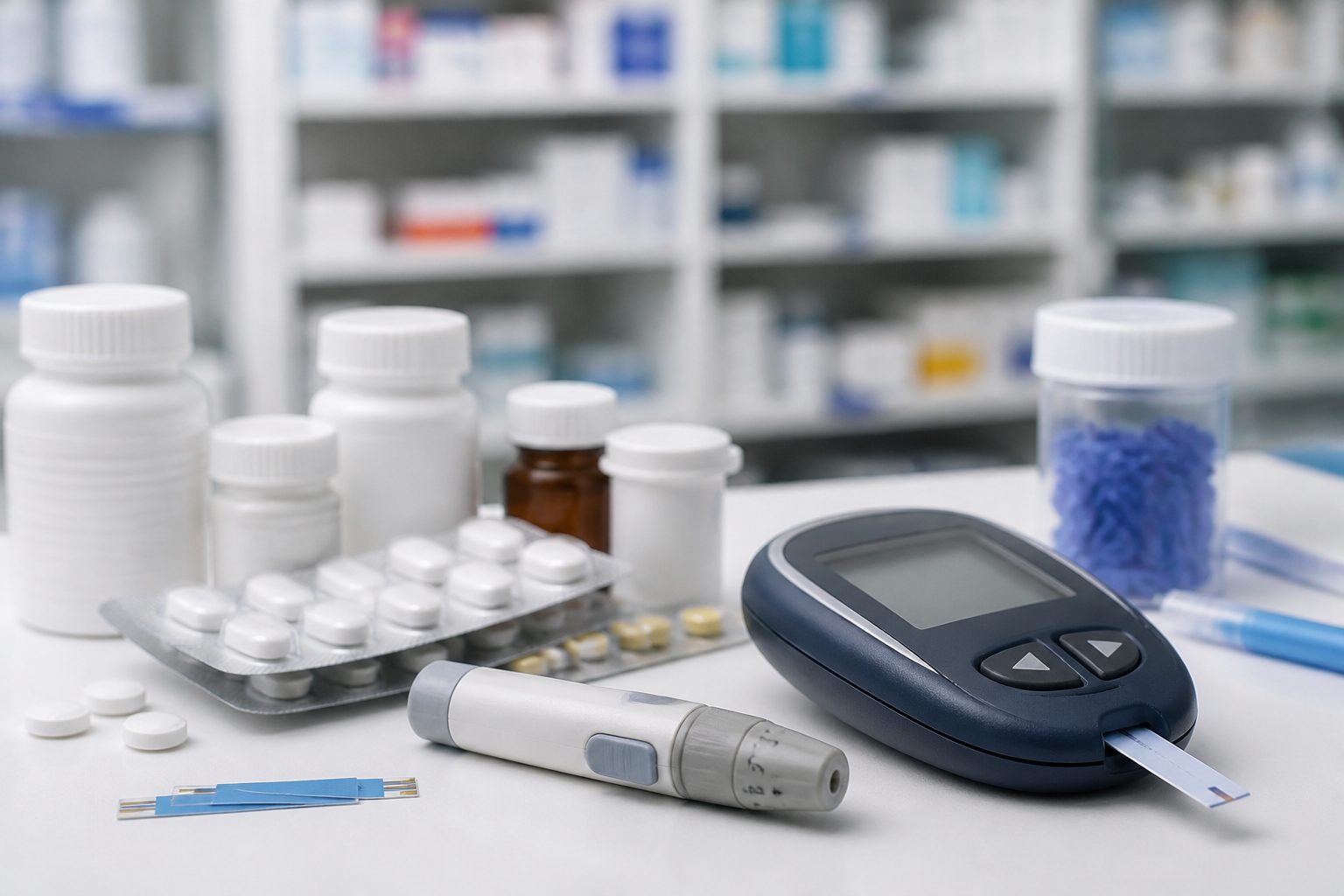
Anyone living with diabetes in Pakistan, or supporting a family member who does, needs clear information on what ongoing care will cost. This guide outlines typical monthly expenses for medicines, devices, and common supplies, with price comparisons across the region.
Expect to pay between $20-$85 (₨5,800–24,500) per month for basic diabetes care in Pakistan, depending on the type of diabetes, medication choices, and whether you opt for branded or generic products. Costs can be lower or higher based on personal needs and where you shop.
What does monthly diabetes care include?
Monthly diabetes care in Pakistan involves a comprehensive set of recurring expenses and activities, each essential for effective disease management and prevention of complications. The core components of monthly care typically include:
- Medicines: Most patients require daily medication. Type 1 diabetes patients generally need insulin, which can come in vials, cartridges, or pens, and may require multiple daily injections. Type 2 diabetes patients often use oral medications such as metformin, sulfonylureas, or DPP-4 inhibitors, with some also requiring insulin as the disease progresses. The choice between generic and branded medicines significantly affects monthly costs.
- Blood glucose monitoring supplies: Self-monitoring of blood glucose (SMBG) is critical for both Type 1 and insulin-dependent Type 2 patients. This involves purchasing a glucometer (a one-time investment), as well as ongoing monthly supplies of test strips and lancets. The frequency of testing varies by patient: some may check their blood sugar 2–4 times daily, while others (especially those not on insulin) may test less often, directly impacting monthly supply needs and costs.
- Related medicines: Many patients are prescribed additional medications to manage conditions that often accompany diabetes, such as antihypertensives for blood pressure control or statins for cholesterol management. These are usually taken daily and are a recurring monthly expense.
- Devices and technology: While basic diabetes care requires syringes or insulin pens, some patients may use more advanced technology like insulin pumps or continuous glucose monitors (CGMs). However, these devices are less common in Pakistan due to their high cost and limited availability. Glucometers and insulin pens are more widely used and are available in both local and imported variants.
- Other supports: For patients with diabetes-related complications (such as neuropathy or foot ulcers), additional monthly expenses might include wound care supplies, antibiotics, or special footwear. Some may also require regular physiotherapy or home nursing visits, especially in advanced cases.
Patients typically purchase their medicines and supplies from a mix of retail pharmacies, hospital pharmacies, and increasingly, online platforms. Prices can differ significantly depending on the city (with Karachi, Lahore, and Islamabad generally offering more options and lower prices), the pharmacy chain, and whether items are imported or locally manufactured. It’s important for patients to compare prices, look for bulk purchase discounts, and consult with healthcare providers regularly to optimize both care quality and costs.
Cost of insulin and diabetes medicines in Pakistan
Insulin is essential for all people with Type 1 diabetes and some with advanced Type 2. In Pakistan, both imported brands and locally-made generics are available. Human insulin (regular and NPH) is the most affordable, while insulin analogues (such as glargine, aspart, or lispro) cost more. Common oral medicines include metformin, sulfonylureas, DPP-4 inhibitors, and SGLT2 inhibitors.
Below are average monthly costs for common medicines, based on typical doses. Prices can fluctuate based on pharmacy chain, location, and supply chain issues.
- Human insulin (e.g., Actrapid, Mixtard): $8–$20 (₨2,300–5,800) per month
- Insulin analogues (e.g., Lantus, NovoRapid): $28–$60 (₨8,100–17,400) per month
- Metformin (generic): $2–$6 (₨580–1,740) per month
- Sulfonylureas (e.g., gliclazide, glibenclamide): $2–$8 (₨580–2,300) per month
- DPP-4 inhibitors (e.g., sitagliptin): $14–$32 (₨4,000–9,300) per month
- SGLT2 inhibitors (e.g., dapagliflozin): $18–$36 (₨5,200–10,400) per month
Generic medicines are widely available and often cost 30-60% less than branded imports. Some patients prefer well-known brands for perceived quality, but all registered generics must meet regulatory standards.
Device and supply prices: glucometers, strips, syringes, and more
Managing diabetes effectively in Pakistan requires ongoing investment in various devices and supplies, which form a significant part of the monthly care budget. These tools are essential for self-monitoring, safe medication administration, and overall disease control. Here’s a closer look at the main device-related costs and what influences them:
- Glucometers (one-time purchase): The initial cost for a glucometer ranges from $12–$30 (₨3,500–8,700), depending on the brand, features (such as memory storage or Bluetooth connectivity), and whether it is locally manufactured or imported. Some pharmacies and clinics offer promotional deals that bundle a glucometer with a starter pack of test strips.
- Test strips (monthly): Test strips are a major recurring expense, with a pack of 50–100 strips costing $12–$30 (₨3,500–8,700). How many strips you need depends on your doctor’s advice and whether you are on insulin or oral medication. Some patients may use 2–4 strips per day, while others might need more frequent testing during illness or medication changes.
- Lancets (monthly): Lancets, used for finger-pricking, cost $2–$4 (₨580–1,160) for a pack of 100. While some people reuse lancets to save money, this is not recommended due to infection risk.
- Insulin syringes (monthly): For those using insulin vials, a pack of 30–60 syringes costs $3–$8 (₨870–2,300). The frequency of injections determines monthly needs. Syringes are available in various sizes, and quality can vary between brands.
- Insulin pen needles (monthly): For patients using insulin pens, a monthly supply of pen needles costs $4–$10 (₨1,160–2,900). Pen needles are generally more convenient and less painful but slightly more expensive than traditional syringes.
Both local and imported brands are widely available, with imported options sometimes offering more advanced features but at a higher price. Large pharmacy chains often have better prices and more consistent stock compared to small, independent shops. Online pharmacies may provide additional savings through bulk purchase discounts or promotional offers, though delivery fees and stock limitations may apply, especially in smaller towns.
Patients should check expiration dates and packaging integrity when purchasing devices and supplies, as counterfeit or expired products are a concern in some markets. It’s also wise to periodically compare prices and look for loyalty or bulk-buying programs at major chains to help manage costs over the long term.
Comparing diabetes medicine prices: Pakistan vs other countries
To put Pakistani prices in context, here is a comparison of monthly costs for commonly used diabetes medicines and supplies in Pakistan, India, Bangladesh, Indonesia, the Philippines, and the US. All prices are for typical adult doses and are converted to USD for comparison. Local currency prices are shown in brackets where useful.
| Country | Human insulin (USD) | Insulin analogues (USD) | Metformin (USD) | Glucometer strips (USD) |
|---|---|---|---|---|
| Pakistan | $8–$20 | $28–$60 | $2–$6 | $12–$30 |
| India | $7–$18 (₹600–1,500) | $23–$48 (₹2,000–4,000) | $1.50–$4 (₹125–330) | $9–$22 (₹750–1,850) |
| Bangladesh | $6–$16 (৳650–1,700) | $21–$44 (৳2,300–4,800) | $1.20–$3 (৳130–330) | $8–$20 (৳870–2,170) |
| Indonesia | $10–$25 (Rp 150,000–375,000) | $35–$65 (Rp 525,000–975,000) | $2–$7 (Rp 30,000–105,000) | $15–$32 (Rp 225,000–480,000) |
| Philippines | $12–$26 (₱650–1,400) | $38–$68 (₱2,000–3,600) | $2.50–$7 (₱135–380) | $16–$34 (₱850–1,800) |
| United States | $35–$110 | $120–$350 | $4–$18 | $28–$50 |
Pakistan’s insulin and oral diabetes drug prices are broadly similar to neighboring countries, though still a significant monthly outlay for many families. The US stands out for much higher prices, especially for insulin analogues.
Generic vs branded: What’s the difference in cost and quality?
In Pakistan, both branded and generic diabetes medicines are regulated by the Drug Regulatory Authority of Pakistan (DRAP). Generics are chemically identical to their branded counterparts, but usually cost much less. For example, a month’s supply of generic metformin may cost under $3, while a branded version can be double that. The same applies to insulin, though some patients may prefer a specific brand for reasons of familiarity or perceived reliability.
In practice, most public hospitals and many doctors prescribe generics, especially for long-term use. Branded medicines may be recommended for patients with allergies to certain excipients or for those who have experienced side effects with a generic. Always check that you are buying from a reputable pharmacy to avoid counterfeit products.
Top pharmacy chains and online pharmacies in Pakistan
Accessing affordable and genuine diabetes medications and supplies in Pakistan depends heavily on where you purchase them. The country has a mix of large, reputable pharmacy chains and a growing number of online pharmacies, each with their own advantages and challenges.
Major brick-and-mortar pharmacy chains
- D.Watson: With branches in major cities like Islamabad, Lahore, and Rawalpindi, D.Watson is known for its reliable stock, including both local and imported diabetes products. They offer prescription filling services and often have trained pharmacists available for consultation.
- Fazal Din’s Pharma Plus: Based primarily in Lahore but with an expanding presence, Fazal Din’s is recognized for its wide selection of chronic disease medicines and medical devices. They are often the first to stock new brands and imported items.
- Servaid: With outlets in multiple cities, Servaid provides a convenient option for purchasing diabetes medications, test strips, and related devices. They also offer loyalty programs and occasional discounts for regular customers.
Online pharmacies
- dawaai.pk: One of Pakistan’s leading online pharmacies, dawaai.pk allows patients to upload prescriptions, compare prices across brands, and order home delivery nationwide. They frequently offer discounts and have a customer support team for queries.
- oladoc.com: While primarily a doctor appointment platform, oladoc.com also sells medicines and medical devices, including diabetes supplies. Their delivery service covers most urban areas.
- sehat.com.pk: This platform offers a wide range of diabetes products, including glucometers, test strips, and prescription medicines, with home delivery and secure payment options.
While these options provide convenience and price comparisons, there are important considerations. Delivery times can vary, especially outside major cities, and not all products may be in stock at all times. Always ensure you are using a licensed pharmacy—look for a valid Drug Regulatory Authority of Pakistan (DRAP) license number—and use secure payment methods. For high-cost or sensitive items, such as insulin or refrigerated medicines, verify that proper cold chain protocols are followed during delivery. Whenever possible, consult your healthcare provider or pharmacist for advice on sourcing medicines and devices safely and affordably.
Prices of other chronic disease medicines and devices
Diabetes often coexists with other chronic health conditions, and managing these additional illnesses can significantly increase monthly healthcare spending for individuals and families in Pakistan. Understanding the typical costs of these medicines and devices is crucial for effective budgeting and planning.
- Blood pressure medicines: Commonly prescribed drugs such as amlodipine and losartan cost $2–$8 (₨580–2,300) per month. The total expense depends on the number of medications needed and whether generic or branded versions are used.
- Statins: Medicines like atorvastatin, used to control cholesterol, range from $3–$9 (₨870–2,600) monthly. Statins are often prescribed alongside diabetes medications to reduce cardiovascular risk.
- Asthma inhalers: Inhalers containing salbutamol or steroids typically cost $4–$12 (₨1,160–3,500) per month. Prices vary by brand, and patients with severe asthma may require multiple inhalers or additional medications, increasing costs.
- Antibiotics: Short courses of antibiotics, prescribed for infections, are usually $3–$10 (₨870–2,900) per episode. Chronic or repeated infections can add unpredictably to monthly expenses.
- Fertility drugs: Medications such as clomiphene or letrozole, prescribed for ovulation induction, cost $8–$22 (₨2,300–6,400) per cycle. These are not needed by all diabetes patients but are relevant for women with polycystic ovary syndrome (PCOS) or infertility.
- CPAP machines (one-time): For sleep apnea, which is more common in people with diabetes, a CPAP machine costs $280–$650 (₨81,000–188,000) as a one-time purchase. Ongoing costs include replacement masks and filters.
- Wheelchairs (one-time): Basic wheelchairs cost $65–$190 (₨18,800–55,000), with higher-end models or those with additional features costing more. These may be needed for patients with severe diabetic complications affecting mobility.
- Hearing devices (one-time): Hearing aids are $300–$950 (₨87,000–276,000), depending on technology and features. Hearing loss is more common in older adults with diabetes.
- Home oxygen (monthly): For patients with chronic respiratory disease, home oxygen costs $38–$90 (₨11,000–26,000) per month, plus potential setup fees.
These additional medicines and devices can place a significant financial burden on households, especially when multiple family members are affected by chronic diseases. To manage costs, patients should ask their healthcare providers about generic alternatives, government subsidy programs (available in select public hospitals), and any available insurance options. Buying from reputable pharmacies and exploring bulk purchase discounts can also help reduce the overall monthly spend.
What is (and isn’t) included in monthly diabetes costs?
When calculating monthly diabetes costs in Pakistan, it’s important to clarify exactly what is covered in these estimates and what falls outside the routine budget. The figures typically discussed focus on the direct, recurring expenses required for day-to-day diabetes management. These include:
- Essential medicines: Insulin (for Type 1 and some Type 2 patients) or oral hypoglycemic agents (for most Type 2 patients).
- Basic monitoring supplies: Test strips, lancets, glucometer batteries, and syringes or insulin pen needles.
- Common adjunct medications: Drugs often co-prescribed for diabetes, such as antihypertensives and statins, may be included in some cost breakdowns, but not always.
However, several significant expenses are not included in these monthly cost estimates:
- Doctor consultation fees: In Pakistan’s private sector, a single visit can cost anywhere from $3–$10 (₨870–2,900), and patients may need to see a doctor every 1–3 months depending on their condition.
- Laboratory tests: Regular monitoring of long-term blood sugar (HbA1c), kidney function, cholesterol, and liver function is essential but not included in monthly medication costs. Each test can cost $3–$10 or more, and comprehensive panels are often needed several times a year.
- Treatment for complications: Expenses for managing complications such as diabetic foot ulcers, retinopathy, or hospitalization for severe episodes are not part of routine monthly costs and can be substantial.
- Advanced technology: Devices like insulin pumps or continuous glucose monitors (CGMs) are rarely included in monthly estimates due to their high one-time and ongoing costs.
- Supplements and dietary products: Many patients spend extra on vitamins, minerals, or special diabetic foods, which are not factored into standard monthly cost calculations.
If you anticipate needing advanced care, hospital admissions, or are at risk for complications, it’s essential to discuss a full cost breakdown with your healthcare provider. This can help you budget for both routine and unexpected expenses, and may also inform your decision about seeking insurance coverage or government assistance programs, which are limited but available in some provinces.
How to save on diabetes care in Pakistan safely
There are a few ways to reduce your ongoing diabetes expenses without compromising quality or safety:
- Choose registered generics from reputable pharmacies; these are usually as effective as branded medicines.
- Buy supplies in bulk from larger pharmacy chains or trusted online platforms for discounts.
- Ask your doctor if you can use human insulin instead of analogues if cost is a concern and it is medically appropriate.
- Check if you are eligible for government programs or NGO support for free or subsidised medicines (available in some provinces).
- Keep devices (glucometers, syringes) clean and well-maintained to avoid unnecessary replacements.
Avoid buying medicines from unregistered shops or online sellers with no physical address, as counterfeit drugs are a risk.
Frequently asked questions
How much does insulin cost per month in Pakistan?
Human insulin typically costs $8–$20 (₨2,300–5,800) per month, while insulin analogues range from $28–$60 (₨8,100–17,400), depending on the type and brand.
Are generic diabetes medicines safe to use?
Yes, registered generics in Pakistan are regulated by DRAP and must meet quality standards. They are generally as effective as branded medicines when purchased from reputable sources.
Where can I buy diabetes supplies at the best price?
Large pharmacy chains and licensed online pharmacies usually offer the best prices. Compare costs and check for bulk discounts, but always verify the legitimacy of the seller.
What extra costs should I expect beyond medicines and supplies?
Budget for doctor visits, lab tests, and possible treatment for complications. These are not included in monthly medicine and supply costs and can vary widely per person.
Can I get free or subsidised diabetes medicines in Pakistan?
Some government hospitals, provincial programs, and NGOs provide free or subsidised diabetes medicines to low-income patients. Availability depends on location and funding.
Related guides
Disclaimer: Prices in this guide are indicative and based on typical doses and recent market surveys. Actual costs will vary by case, brand, pharmacy, and region. Always consult a qualified doctor and obtain a written quote before starting or changing any treatment.