
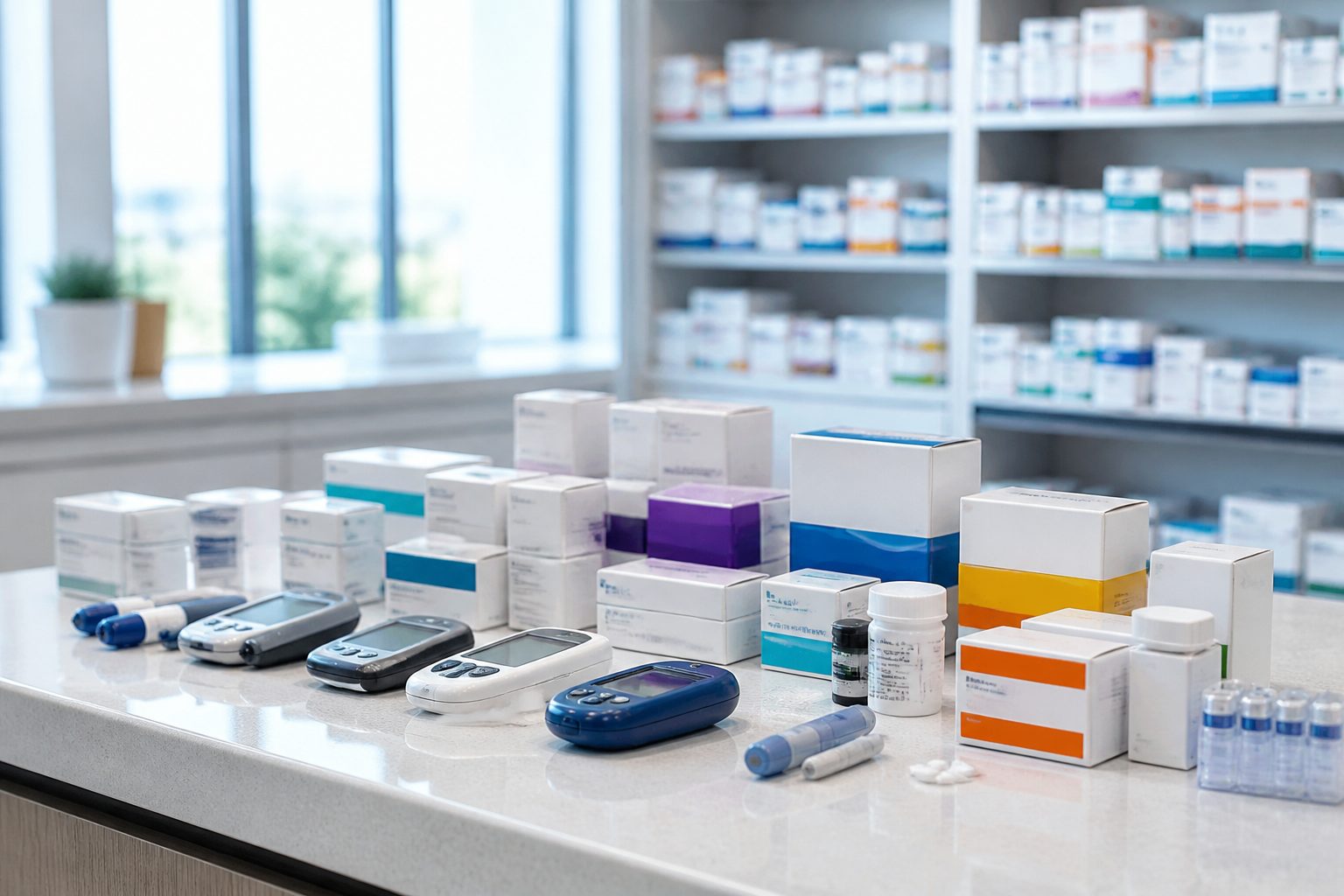
This guide is for anyone in Indonesia living with diabetes, or supporting a family member, and looking for practical ways to reduce the cost of medicines and essential devices. The bottom line: diabetes medicines and supplies in Indonesia are generally affordable compared to many Western countries, with generics and local brands widely available, but prices vary sharply between pharmacies and online sellers.
Below, you’ll find typical costs for common diabetes drugs (including insulin), how generics compare to brand-name products, where to buy at the best prices, and what to expect for related devices like glucometers and test strips. You’ll also learn strategies to save money safely—without risking your health.
Diabetes medicine prices in Indonesia: what to expect
Indonesia’s pharmaceutical landscape is shaped by a strong presence of local manufacturers, which helps keep the prices of diabetes medicines relatively affordable compared to many other countries. The majority of diabetes medicines—including various forms of insulin and oral drugs—are produced domestically, which reduces import costs and makes generics widely available. For those with access to the national health insurance program, Jaminan Kesehatan Nasional (JKN), most essential diabetes medicines are fully or partially covered when obtained at public hospitals and clinics. However, not all Indonesians are registered with JKN or may face limited availability of certain drugs in public facilities, leading many to pay out-of-pocket at private pharmacies.
Insulin is available in both human formulations (such as regular, NPH, and premixed types) and newer analogues (like glargine, aspart, and lispro). Local and generic brands of insulin are often 30–60% less expensive than imported brands, making them a practical choice for most patients. For example, a vial of locally produced human insulin may cost as little as Rp 60,000–120,000 ($4–8), while imported analogues can be significantly pricier, sometimes exceeding Rp 300,000 ($20) per vial. Oral diabetes medicines, including metformin and gliclazide, are also available as generics for as little as Rp 10,000–30,000 ($0.70–2) for a month’s supply.
However, newer classes of diabetes drugs, such as DPP-4 inhibitors (e.g., sitagliptin) and SGLT2 inhibitors (e.g., empagliflozin), are often more expensive and may not be included in the JKN formulary. These can cost several hundred thousand rupiah per month if paid out-of-pocket. Patients interested in these newer options should discuss insurance coverage and possible alternatives with their doctor. Regardless of the medicine type, always purchase from BPOM-authorized pharmacies to ensure quality and safety, and consult your healthcare provider to review the most cost-effective and clinically appropriate options for your diabetes management.
Table of diabetes and common medicine prices: Indonesia vs other countries
| Medicine/Device | Indonesia | India | Philippines | USA | UK |
|---|---|---|---|---|---|
| Insulin (human, 10ml vial) | $6–$15 (Rp 95,000–240,000) | $3–$8 | $10–$18 | $60–$120 | $25–$35 |
| Insulin (analogues, 3ml pen) | $15–$35 (Rp 240,000–560,000) | $10–$25 | $20–$40 | $100–$180 | $40–$60 |
| Metformin (500mg, 30 tabs) | $1–$2 (Rp 16,000–32,000) | $0.50–$1.50 | $2–$4 | $10–$20 | $5–$8 |
| Gliclazide (30mg, 30 tabs) | $2–$4 (Rp 32,000–64,000) | $1–$2 | $3–$5 | $12–$25 | $7–$10 |
| Glucometer (basic) | $10–$25 (Rp 160,000–400,000) | $8–$20 | $15–$30 | $40–$60 | $25–$40 |
| Test strips (50 count) | $10–$18 (Rp 160,000–290,000) | $7–$15 | $12–$20 | $35–$60 | $20–$35 |
| Blood pressure monitor | $20–$45 (Rp 320,000–720,000) | $15–$35 | $25–$50 | $40–$80 | $30–$55 |
| Cholesterol-lowering drug (atorvastatin, 10mg, 30 tabs) | $2–$5 (Rp 32,000–80,000) | $1–$3 | $3–$8 | $15–$30 | $8–$12 |
| Asthma inhaler (salbutamol, 1 inhaler) | $2–$4 (Rp 32,000–64,000) | $1–$3 | $3–$7 | $10–$25 | $6–$12 |
| CPAP machine (basic) | $250–$450 (Rp 4–7.2 juta) | $200–$400 | $350–$500 | $700–$1200 | $500–$900 |
Generic vs branded diabetes medicines: what you need to know
Indonesia has a strong generics market, with many diabetes drugs produced by well-known local companies such as Kimia Farma, Kalbe Farma, and Dexa Medica. Generics must meet national quality standards (BPOM approval). For core diabetes medicines like metformin, glibenclamide, and human insulin, the quality difference between generics and imported brands is generally minimal, though some patients may prefer certain brands for ease of injection or storage.
Insulin analogues (such as glargine or aspart) are available both as generics and brands (e.g., Lantus, NovoRapid). Generics are 20–40% less expensive, but not all pharmacies stock them. Ask specifically for the generic version (“generik”) to get the best price. For newer diabetes drugs, generics may not be available, and prices will be higher. Always check with your doctor before switching brands.
Top pharmacy chains and online pharmacies in Indonesia
When it comes to purchasing diabetes medicines and devices in Indonesia, choosing the right pharmacy can make a significant difference in both price and safety. The largest pharmacy chains—Kimia Farma, Guardian, Century, and K24—operate hundreds of outlets in major cities and towns across the country. These established chains are known for their wide selection of diabetes medicines, including both branded and generic options, as well as essential devices like glucometers and test strips. Prices may vary slightly between locations, but these chains generally offer competitive rates and frequent promotions, such as bundled packages or loyalty programs that can help regular customers save over time.
In addition to these brick-and-mortar chains, Indonesia has seen a rapid rise in online pharmacies. Platforms like Halodoc, Alodokter, and K24Klik allow you to conveniently order prescription diabetes medicines and devices for home delivery. Online pharmacies often have lower overhead costs, which can translate to better prices for consumers, especially on generic products. Their websites clearly display prices, making it easy to compare options and find the best deals. However, keep in mind that prescription medicines, especially insulin, require you to upload a valid doctor’s prescription before purchase. Delivery fees may apply, so factor these into your total cost.
Whether shopping in person or online, always ensure the pharmacy is licensed by BPOM, Indonesia’s food and drug authority. This is crucial for avoiding counterfeit or substandard products, which remain a risk in some informal markets. If you’re in a rural area with limited access to major chains, some independent pharmacies may offer even better deals, particularly on generics, but always check their licensing status. For peace of mind, stick to well-known providers and consult your healthcare team about reputable sources for your diabetes supplies.
Prices for diabetes devices: glucometers, test strips, and more
Effective diabetes management relies on regular monitoring, which means that devices like glucometers, test strips, and lancets are recurring expenses for Indonesian patients. Basic glucometers from international brands such as Accu-Chek, OneTouch, and Omron are widely available at large pharmacy chains and online platforms. Prices for entry-level models typically range from $10 to $25 (around Rp 160,000–400,000), but it’s common to find promotional bundles that include a supply of test strips or lancets, offering even better value. Some pharmacies may also offer loyalty points or discounts on future purchases when you buy devices or supplies in bulk.
Test strips are a significant ongoing cost, as most people with diabetes need to test their blood sugar daily. Packs of 50 test strips are usually priced between $10 and $18 (Rp 160,000–290,000). While local brands can offer strips at lower prices, it’s important to verify compatibility with your specific glucometer model to avoid inaccurate readings. For those who test frequently, buying larger packs or taking advantage of periodic discounts at major chains or online stores can result in substantial savings.
Other useful devices include blood pressure monitors, which cost between $20 and $45 (Rp 320,000–720,000), and cholesterol test kits, both of which help track cardiovascular risk factors commonly associated with diabetes. Some private clinics offer these devices for sale, but prices are often higher than at pharmacies or online. Additionally, after-sales support, such as warranty service and access to replacement parts, tends to be more reliable when you purchase from established pharmacy chains or reputable e-commerce platforms. Always check for official BPOM approval and ask about warranty terms before making a purchase, and consult your healthcare provider to ensure you’re choosing the right devices for your needs.
What is and isn’t included in the price
The sticker price for diabetes medicines in Indonesia usually covers only the medicine itself. For insulin, the price does not include syringes or pen needles, which are sold separately ($2–$5 per box). Glucometers may come with a small starter pack of test strips and lancets, but ongoing supplies are extra. Pharmacies may charge a dispensing fee (especially for imported brands or special orders), and some clinics add administrative charges for prescriptions.
With JKN insurance, diabetes medicines and basic devices may be covered at public health centers (puskesmas) or participating hospitals, but you may still pay for upgraded brands, additional test strips, or devices not on the approved list. Always check with your provider what is covered and get an itemised receipt from the pharmacy.
Hidden costs and how to avoid them
Hidden costs in diabetes care can add up. These include transportation to pharmacies, fees for doctor visits to renew prescriptions, extra charges for imported brands, and the higher price of test strips for certain meters. Some online pharmacies charge for delivery or require a minimum order for free shipping. If you buy from small or unlicensed sellers, you also risk counterfeit products, which can endanger your health.
To avoid hidden costs, use a price comparison app or website before buying, especially for large purchases like insulin pen refills or CPAP machines. Stick to licensed pharmacies and reputable online sellers. If you use JKN insurance, check which medicines and devices are fully covered, and ask your doctor if a generic or local brand is available for your prescription.
Safe ways to save on diabetes medicines in Indonesia
There are several effective and safe strategies for reducing your diabetes medicine expenses in Indonesia without compromising your health. First, always ask your doctor if a generic or locally produced version of your prescribed medicine is available. Generics and local brands are typically 30–60% cheaper than imported equivalents, and they are subject to the same BPOM safety and efficacy standards. If your treatment plan is stable, buying medicines in larger pack sizes—such as a 3-month supply—can lower the cost per dose and reduce the frequency of pharmacy visits.
- Use major pharmacy chains and official online platforms, which often run promotions, offer loyalty points, or provide bundled deals on diabetes medicines and devices. These can lead to significant savings over time, especially if you monitor special offers or sign up for membership programs.
- If you are eligible, register for the national health insurance program (JKN) and use it at public hospitals or clinics to access free or subsidized diabetes medicines. JKN coverage is extensive, but you may need to follow specific procedures or use designated facilities to qualify for full benefits.
- Check with your employer or local government for additional health benefits or subsidies. Some companies and regional governments offer supplemental health programs that can further reduce out-of-pocket costs for chronic disease management.
It is crucial to avoid buying diabetes medicines from unlicensed street vendors or unofficial online shops, as counterfeit and substandard drugs are a real risk in some parts of Indonesia. Always check the packaging for a BPOM registration number and verify the expiry date before purchase. For added security, consult your pharmacist or doctor if you are unsure about a product’s authenticity. By following these practical steps, you can manage your diabetes effectively while safeguarding your health and your finances.
Planning your diabetes care: practical tips for patients and families
Start by making a list of all the medicines and devices you use each month, including insulin, oral drugs, test strips, and needles. Bring this list to your doctor or pharmacist and ask for advice on cost-saving options. If you are new to diabetes care, ask for a demonstration of how to use devices and check if cheaper brands are available. Keep all receipts for insurance claims or reimbursement.
Set reminders for prescription refills and device purchases to avoid last-minute buys at higher prices. If you are travelling within Indonesia, check pharmacy locations in advance, as rural areas may have limited stock or higher prices. For children or elderly patients, ask about special programs or discounts from local health centers or diabetes associations.
The bottom line
Managing diabetes in Indonesia can be cost-effective if you know where and how to access the right medicines and devices. Compared to many Western countries, Indonesia’s prices for diabetes treatments—including insulin, oral medications, and essential devices—are generally lower, especially when opting for generic or locally produced brands. However, costs can still add up, particularly for those without insurance or those needing newer, branded medications.
To maximize savings, it’s crucial to use a combination of strategies tailored to the Indonesian healthcare system. This includes comparing prices at different pharmacy chains and reputable online pharmacies, utilizing the national health insurance scheme (Jaminan Kesehatan Nasional/JKN) when eligible, and consulting regularly with your healthcare providers. Doctors and pharmacists can help you navigate the best generic options and alert you to any government or pharmacy promotions that may further reduce your expenses.
Always seek care from licensed providers and purchase medicines only from BPOM-authorized outlets, as counterfeit drugs remain a concern. Regularly review your prescriptions and device needs with your doctor to ensure you’re not only paying a fair price but also receiving the most effective and safe treatment for your condition. By staying informed, making use of available insurance, and being proactive in your purchasing decisions, you can manage diabetes effectively without unnecessary financial strain in Indonesia.
Frequently asked questions
How can I get free or subsidised diabetes medicines in Indonesia?
If you are registered with JKN national health insurance, you can access free or subsidised diabetes medicines at public health centres (puskesmas) and participating hospitals. Check your eligibility and ensure your prescription is on the approved list.
Are generic diabetes medicines safe and effective in Indonesia?
Yes, generics approved by BPOM meet national safety and quality standards. For most patients, generics work as well as branded medicines. Always buy from reputable pharmacies and consult your doctor before switching brands.
Can I buy insulin and diabetes medicines online in Indonesia?
Yes, insulin and diabetes medicines can be purchased from licensed online pharmacies such as Halodoc and K24Klik. A valid prescription is required. Choose only BPOM-registered sellers to avoid counterfeit products.
What should I do if my usual brand of insulin is out of stock?
Ask your doctor or pharmacist about equivalent generics or alternative brands. Do not change your insulin type without professional advice, as there may be differences in dosing or action profile.
How can I reduce the cost of test strips and diabetes devices?
Buy in bulk, use local brands compatible with your meter, and look for pharmacy promotions. Some diabetes associations offer discounted supplies. Always compare prices online and offline before purchasing.
Related guides
Disclaimer: Prices listed are indicative and may vary by pharmacy, location, and individual case. Always consult a qualified doctor for medical advice and request a written quote before purchasing medicines or devices.