
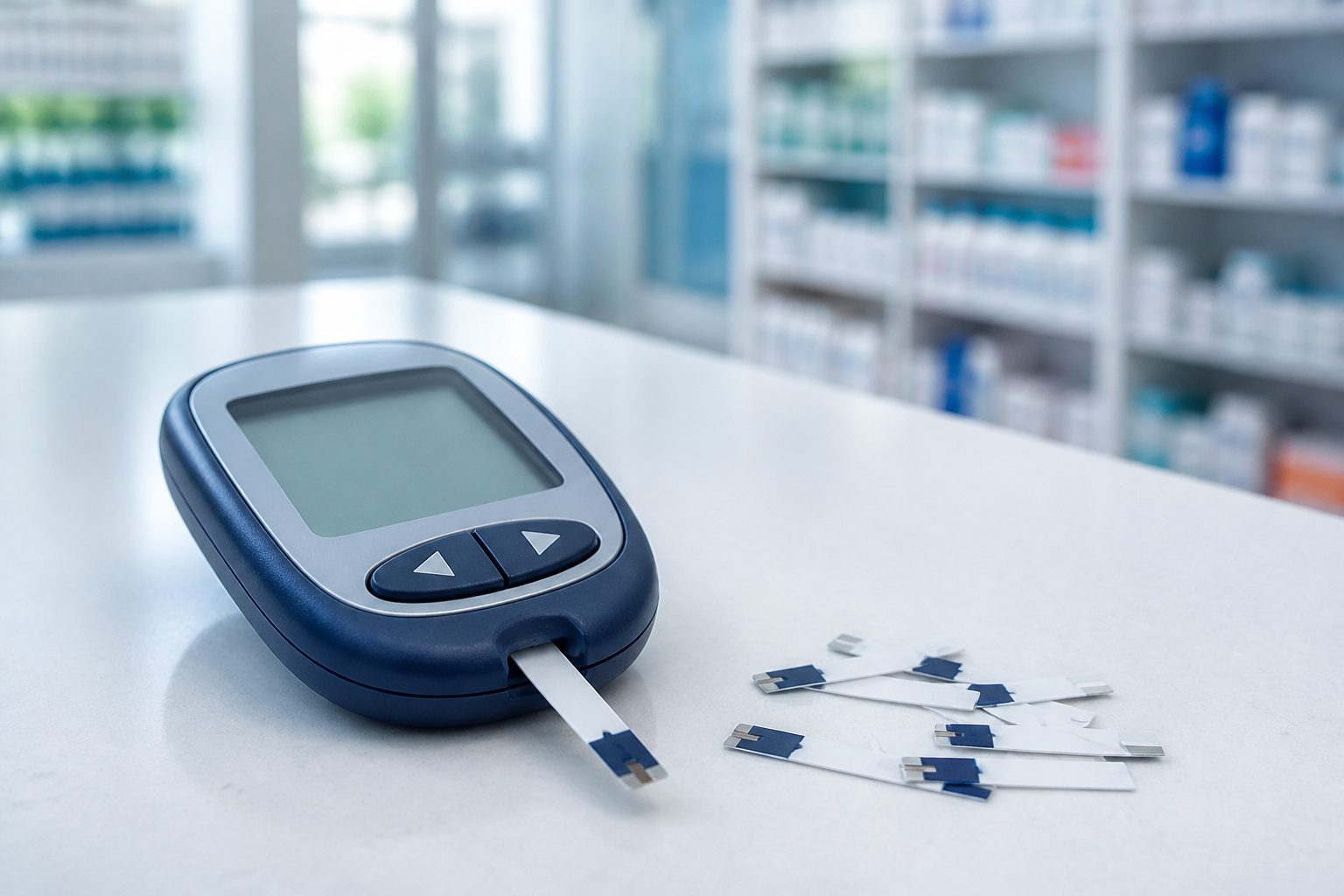
If you need to monitor your blood sugar, you may be wondering how much a glucometer costs in India, the UAE, and the UK. For most patients, a basic, reliable glucometer costs between $8 and $60 (₹650–₹5,000; AED 30–220; £7–£50), depending on the country, features, and whether test strips are included in the starter pack.
This guide breaks down current prices from major pharmacy chains and online retailers, what’s included in the box, the cost of ongoing supplies like test strips, and how to choose a device that suits your needs and budget.
What is a glucometer and who needs one?
A glucometer, also known as a blood glucose meter, is a compact electronic device designed to help individuals measure their blood sugar levels quickly and conveniently at home or on the go. The device works by analyzing a small drop of blood, usually obtained from a fingertip using a lancet, and displaying the glucose concentration in milligrams per deciliter (mg/dL) or millimoles per liter (mmol/L). This immediate feedback is crucial for effective diabetes management, allowing users to make informed decisions about diet, medication, and physical activity.
The primary users of glucometers are people living with diabetes, including both type 1 and type 2. For these individuals, regular monitoring is essential to prevent complications such as hypoglycemia (low blood sugar) or hyperglycemia (high blood sugar), which can lead to serious health issues if left unchecked. Pregnant women diagnosed with gestational diabetes also rely on glucometers to maintain optimal glucose levels for their own health and that of their baby. In addition, people with prediabetes, those at risk of developing diabetes, and individuals undergoing certain medical treatments that can affect blood sugar may use glucometers for preventive monitoring.
Glucometers are widely accessible in pharmacies and through online platforms in India, the UAE, and the UK. They are typically sold as part of starter kits that include the meter, a lancing device, lancets, and a small supply of test strips. Some healthcare providers may recommend or prescribe a specific model, especially for children or elderly patients who may need larger displays or simpler operation. For many, especially in India and the UK, government health programs or insurance may subsidize the cost or provide meters to eligible patients. Choosing the right glucometer involves considering factors such as ease of use, accuracy, cost of consumables, and availability of customer support.
How much does a glucometer cost in India, UAE, and the UK?
The price of a glucometer depends on the brand, features (such as Bluetooth or memory storage), and whether it is sold as a standalone device or a starter kit with test strips and lancets. In India, entry-level models start around $8 (₹650), with popular brands including Accu-Chek, OneTouch, and Dr. Morepen. In the UAE, prices start from about $15 (AED 55) for basic models and can go up to $60 (AED 220) for advanced meters. In the UK, NHS-eligible patients may receive a glucometer free with a prescription, but retail prices range from £7 to £50 ($9–$60), depending on the brand and package.
What is included in the price?
When purchasing a glucometer, the price usually covers more than just the electronic meter itself. Most standard kits include several essential components to help users begin monitoring their blood sugar immediately. These typically consist of:
- The glucometer device: The main unit that reads and displays your blood sugar levels.
- Lancing device: A spring-loaded tool used to prick the finger and obtain a drop of blood.
- Lancets: Small, sterile needles that fit into the lancing device. Kits often include 5 to 10 lancets, but this number can vary.
- Test strips: Special strips required for each blood test; kits usually contain a starter supply, often 10 to 25 strips.
- Carrying case: Many kits provide a pouch or case for convenient storage and travel.
- Logbook or diary: Some packages come with a paper logbook for manual recording of blood sugar readings, though digital options are increasingly common.
It is important to note that the initial kit is only the starting point. The included supply of strips and lancets is limited and intended for short-term use, sometimes lasting only a week or two for those who test frequently. The need for regular replacement of these consumables is a significant factor in the ongoing cost of diabetes management. In India and the UAE, some budget kits may exclude test strips or provide only a minimal quantity, making the upfront price seem lower but requiring immediate additional purchases. In the UK, NHS patients may receive meters and initial supplies at reduced or no cost, depending on eligibility and local guidelines.
Before buying, always check the box contents carefully. Some low-cost meters are sold without any test strips or with only a token amount, making the total cost higher once you factor in the need to buy additional strips. It is also wise to confirm which strips are compatible with the meter and their local availability, as ongoing access is crucial for effective monitoring. If purchasing online, ensure that the kit is sealed, genuine, and includes all promised accessories to avoid counterfeit or incomplete products.
Glucometer price comparison: India, UAE, UK
| Country | Popular Brands | Glucometer Price Range | Test Strip Price (per 50) | Starter Kit Includes |
|---|---|---|---|---|
| India | Accu-Chek, OneTouch, Dr. Morepen | $8-$35 (₹650–₹2,900) | $8-$18 (₹650–₹1,500) | Meter, 10–25 strips, lancing device, 5–10 lancets |
| UAE | Accu-Chek, OneTouch, Contour | $15-$60 (AED 55–220) | $20-$35 (AED 75–130) | Meter, 10–25 strips, lancing device, 10 lancets |
| UK | Accu-Chek, OneTouch, GlucoRx, Contour | $9-$60 (£7–£50) | $15-$28 (£12–£22) | Meter, 10–25 strips, lancing device, 5–10 lancets |
Generic vs branded glucometers
When choosing a glucometer, consumers often face the decision between purchasing a well-known branded device or opting for a generic or store-brand alternative. This choice can have significant implications for cost, reliability, and ongoing access to supplies.
Branded glucometers—such as those from Accu-Chek, OneTouch, and Contour—are widely recognized for their accuracy, quality control, and robust customer support. These devices are often approved by regulatory bodies like the CE (Conformité Européenne) in the UK or the CDSCO (Central Drugs Standard Control Organization) in India, ensuring they meet stringent safety and performance standards. Branded meters typically offer a range of features, such as memory storage for past readings, advanced data management, and compatibility with smartphone apps for tracking trends. They also tend to have broader distribution networks, making it easier to find compatible test strips and customer service when needed. Warranties are usually more comprehensive, and helplines or online resources are available to assist with troubleshooting or replacement needs.
Generic or store-brand glucometers are increasingly available, especially in markets like India and the UK. These devices are often more affordable upfront and may be suitable for those on a tight budget or with less intensive monitoring needs. However, there are important considerations: generic meters may have fewer features, less rigorous quality assurance, and more limited customer support. Most crucially, the long-term availability and cost of replacement test strips should be checked before purchase. In some cases, generic meters use proprietary strips that are harder to find or more expensive than anticipated, negating the initial savings.
In India, generic meters are common in both pharmacies and online retailers, but buyers should ensure the device is approved by the CDSCO and that strips can be sourced easily. In the UK, CE marking is essential for safety, and NHS guidance may influence which meters are recommended or subsidized. In the UAE, the market is more dominated by international brands, but some lower-cost options are available through online platforms.
Ultimately, the choice between branded and generic glucometers should consider not just the upfront price, but also the total cost of ownership, including ongoing supplies, quality assurance, and the level of support needed. For those who value reliability, ease of access to strips, and strong customer service, branded meters may offer better value in the long run. For others, a generic meter may suffice, provided they do their homework on compatibility and certification.
Where to buy: pharmacy chains and online options
In all three countries, glucometers can be purchased from major pharmacy chains and online retailers. In India, chains like Apollo Pharmacy, MedPlus, and Wellness Forever stock a range of devices, as do online platforms like 1mg and PharmEasy. In the UAE, Life Pharmacy and Aster Pharmacy are major sources, as well as Noon and Amazon.ae. In the UK, Boots, LloydsPharmacy, and Superdrug offer meters in-store and online, and Amazon.co.uk carries a wide selection. Online shopping may offer lower prices and bundled deals, but always ensure you are buying from a reputable source and check for warranty and support details.
Ongoing costs: test strips and lancets
While the initial purchase of a glucometer is a one-time expense, the real financial commitment lies in the recurring need for test strips and lancets. These consumables are essential for each blood sugar test and can significantly impact the overall cost of diabetes management, especially for those who need to monitor their glucose levels multiple times per day.
Test strips are single-use items that must be compatible with your specific meter model. Their price varies widely depending on the country, brand, and whether you buy in bulk or as smaller packs. In India, a pack of 50 test strips typically costs between $8 and $18 (₹650–₹1,500), making frequent testing relatively affordable for many but still a notable monthly expense. In the UAE, prices are higher, ranging from $20 to $35 (AED 75–130) for the same quantity, reflecting higher import duties, taxes, and distribution costs. In the UK, a pack of 50 strips usually costs $15–$28 (£12–£22), though eligible patients may receive them at reduced or no cost through the NHS.
Lancets are less costly but still represent an ongoing outlay. A box of 25 to 50 lancets usually costs $1–$3 (₹80–₹250) in India, $3–$7 (AED 10–25) in the UAE, and $2–$5 (£1.50–£4) in the UK. While some users may reuse lancets to save money, this practice is not recommended due to the risk of infection and reduced comfort.
Branded test strips and lancets are often more expensive, but may offer greater reliability and accuracy. Some meters allow the use of generic or third-party strips, which can reduce costs, but it is crucial to confirm compatibility, as using non-approved strips can result in inaccurate readings and may void the meter’s warranty. In India, generic alternatives are more widely available, while in the UAE and UK, regulations may limit their distribution. Always check the expiry date before purchase, as expired strips can give false results.
For practical cost management, consider:
- Buying strips and lancets in bulk for discounts.
- Checking with local diabetes associations for subsidized supplies.
- Exploring insurance or government programs that may cover part of the cost, especially in the UK.
- Ensuring you have a reliable local or online source to avoid running out of supplies.
Ultimately, the frequency of testing, choice of brand, and local healthcare policies will determine your ongoing expenses.
What drives the price of glucometers and supplies?
The cost of glucometers and their associated supplies is shaped by a complex interplay of factors, many of which vary by country and brand. Understanding these drivers can help consumers make informed choices and manage their long-term expenses more effectively.
Brand reputation and features
Well-known brands such as Accu-Chek, OneTouch, and Contour often command higher prices due to their established track record for accuracy, reliability, and customer support. These brands frequently offer advanced features like Bluetooth connectivity for syncing with smartphones, memory storage for tracking past readings, and backlit displays for easier viewing. Such added functionalities can be especially useful for tech-savvy users or those managing diabetes intensively, but they also increase the price.
Proprietary test strips and consumables
One of the most significant cost factors is the proprietary nature of test strips. Each glucometer brand designs its own strips, which are not interchangeable with other meters. This means users are effectively tied to a single supplier for consumables, and prices can remain high due to lack of competition. The ongoing need for strips often dwarfs the initial meter purchase in terms of total expenditure over time.
Country-specific factors
- India: Local manufacturing helps keep prices lower for both meters and strips, but imported brands can be pricier due to taxes and shipping.
- UAE: Import duties, VAT, and shipping costs make both glucometers and supplies more expensive. The market is dominated by international brands, and discounts are usually found online.
- UK: The NHS may subsidize or provide meters and strips for eligible patients, but private purchases reflect higher retail prices, especially for advanced models.
Availability and supply chain
Imported brands may face additional costs due to customs duties, distribution fees, and fluctuating currency exchange rates. In the UAE, for example, these factors can raise prices significantly compared to India, where local production is common. Supply chain disruptions, such as those seen during global crises, can also temporarily increase prices or limit availability.
Risks and practical tips
Online shopping often offers discounts, but it comes with risks such as expired or counterfeit supplies. Always verify the seller’s reputation, check for proper seals, and confirm the expiry date on test strips. Buying from authorized dealers or reputable pharmacies is the safest way to ensure quality. Additionally, some brands offer loyalty programs or bulk purchase discounts, which can help reduce costs over time.
How to save safely on glucometers and test strips
To minimise costs, compare prices from multiple sources and look for bundled deals that include extra strips or lancets. Some pharmacy chains offer loyalty programs or periodic discounts. In India and the UK, generic meters and strips can offer significant savings, but you should ensure they are compatible and certified. For patients who test frequently, buying larger packs of strips may reduce the per-test cost. In the UK, eligible NHS patients may get free meters and strips, but those buying privately should still compare prices online and in-store. Never buy used meters, and be cautious of heavily discounted strips from unknown sources, as expired or counterfeit items can be unsafe.
Frequently asked questions
How often do I need to replace my glucometer?
Most glucometers last several years if properly maintained. Manufacturers typically recommend replacing the device every 2–5 years, or sooner if it becomes faulty or inaccurate. Always follow the calibration and maintenance instructions in the user manual.
Can I use test strips from a different brand with my meter?
No, test strips are usually model-specific and are not interchangeable between brands. Using non-compatible strips can result in inaccurate readings and may void your meter’s warranty. Always use the strips recommended by the manufacturer.
Are glucometers covered by insurance or government schemes?
In the UK, glucometers and strips may be provided free to eligible NHS patients. In India and the UAE, coverage is rare; some private insurance plans may reimburse costs for diabetics, but most people pay out of pocket. Check your policy or local programs for details.
How do I know if a glucometer is accurate?
Look for meters with regulatory approvals (CE mark in the UK, CDSCO in India, or FDA for US imports). Branded meters from reputable manufacturers are generally reliable. You can cross-check readings with lab tests periodically, as advised by your doctor.
What features should I look for in a glucometer?
Basic meters measure blood glucose and store recent results. Advanced models may offer Bluetooth syncing, large displays, or memory for hundreds of readings. Choose features based on your needs, ease of use, and the ongoing cost and availability of compatible strips.
Related guides
Disclaimer: Prices and product details are indicative and may vary by location, retailer, and individual case. Always seek a written quote from the pharmacy or supplier, and consult a qualified doctor for medical advice and device selection.