
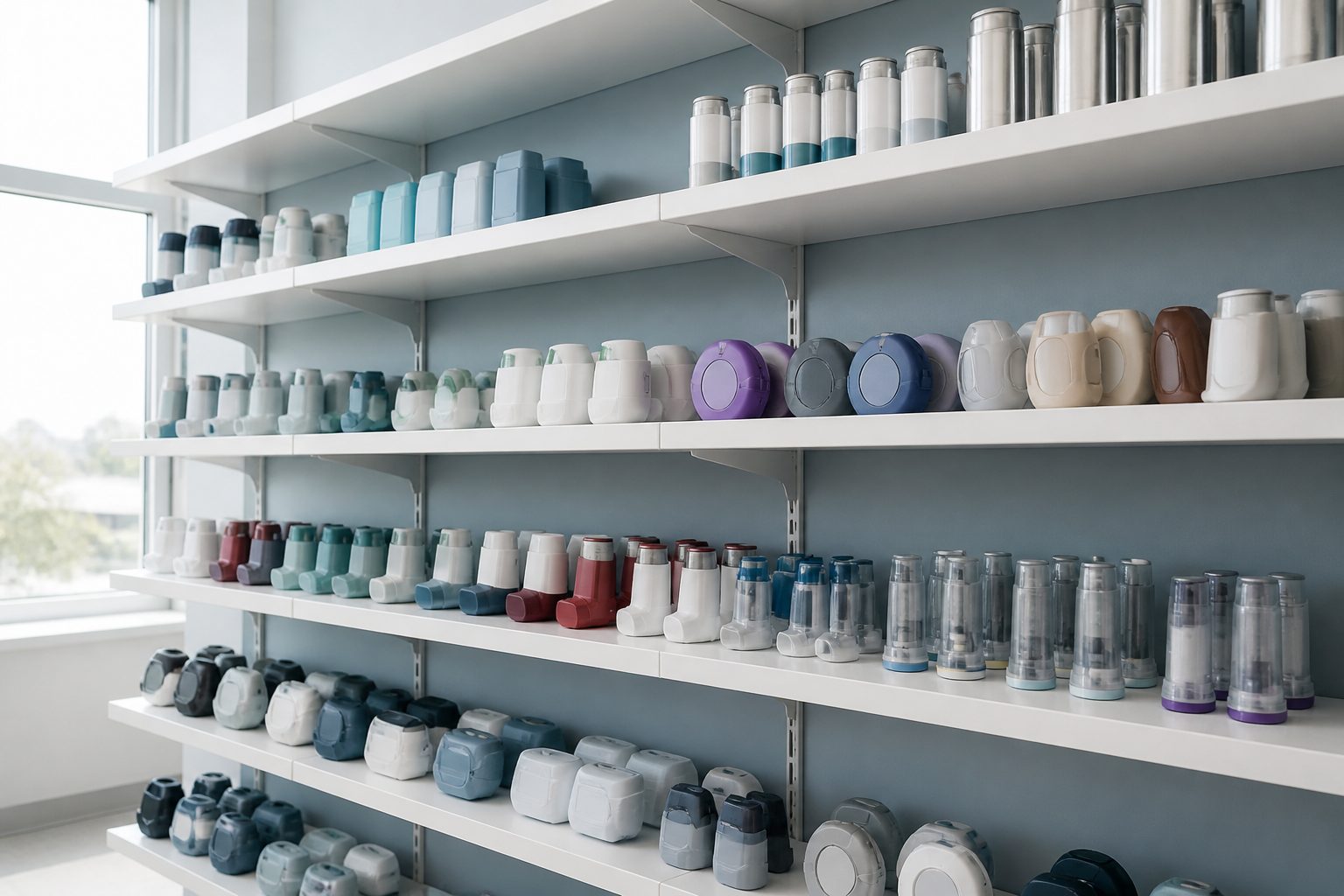
Chronic asthma management in South Africa involves ongoing medication, regular monitoring, and sometimes medical devices. For patients and families planning treatment, understanding the typical costs is essential. This guide explains what you can expect to pay for common asthma medicines and devices, the difference between generic and branded options, and where to find them at major pharmacy chains and online outlets.
In South Africa, managing chronic asthma can cost from $220 to $1,200 (R4,000–R21,000) per year for medicines and essential devices. Actual expenses depend on the severity of asthma, the choice between generic and branded products, and whether you use public or private healthcare services.
Key medicines for chronic asthma management
Asthma control relies on a mix of preventive (controller) and relief (rescue) medications. Inhaled corticosteroids (ICS) are the backbone of daily management, sometimes combined with long-acting beta-agonists (LABA). Short-acting beta-agonists (SABA) like salbutamol are used for quick relief. South Africa offers both branded and generic versions of most asthma medicines, with significant price differences between them.
Here are the most commonly prescribed medicines for chronic asthma in South Africa:
- Inhaled corticosteroids (ICS): Beclomethasone, budesonide, fluticasone
- ICS/LABA combinations: Fluticasone/salmeterol (Seretide), budesonide/formoterol (Symbicort)
- SABA inhalers: Salbutamol (Ventolin, Airomir, Salamol)
- Leukotriene receptor antagonists: Montelukast (Singulair and generics)
South Africa’s regulatory system encourages the use of generics, which can reduce costs by 30–60%. However, not all pharmacies stock every generic option, and some patients may prefer branded versions for consistency.
Medicine prices: South Africa versus other countries
Medicine prices in South Africa are regulated by the government’s Single Exit Price (SEP) system, which sets a maximum price for each medicine. Still, actual retail prices can vary between pharmacies and depending on insurance coverage. Below is a comparison of typical monthly costs for key asthma medicines in South Africa and selected countries:
| Medicine | South Africa | India | UK | USA | Australia |
|---|---|---|---|---|---|
| Salbutamol inhaler (200 doses, generic) | $4 (R72) | $2 | $7 | $25 | $8 |
| Fluticasone inhaler (250mcg, 120 doses, generic) | $12 (R216) | $7 | $14 | $40 | $18 |
| Fluticasone/salmeterol (Seretide, 250/25mcg, 120 doses, branded) | $48 (R864) | $22 | $55 | $320 | $60 |
| Budesonide/formoterol (Symbicort, 160/4.5mcg, 120 doses, branded) | $42 (R756) | $19 | $45 | $310 | $57 |
| Montelukast (10mg, 30 tablets, generic) | $10 (R180) | $3 | $9 | $30 | $12 |
South Africa’s prices for generics are generally higher than India’s, but much lower than typical US retail prices. Branded combination inhalers are significantly cheaper in South Africa than in the US but slightly more expensive than in India.
Generic versus branded: What you pay and what you get
In South Africa, asthma patients can choose between generic and branded medications for most essential treatments. Both types are regulated by the South African Health Products Regulatory Authority (SAHPRA) and must demonstrate bioequivalence, meaning generics must work just as safely and effectively as their branded counterparts. The main difference is price: generics are typically 30–50% less expensive than branded options, making them an attractive choice for cost-conscious patients or those without comprehensive medical insurance.
For example, a generic salbutamol inhaler may cost as little as $4 (R72), while the branded version can range from $7 to $10 (R126–R180). Combination inhalers, such as those containing both an inhaled corticosteroid and a long-acting bronchodilator, show even greater price differences—generics can save you hundreds of rands per year. Many pharmacies will automatically offer a generic substitute unless your prescription is marked ‘no substitution.’
Despite the cost savings, some patients and doctors prefer branded inhalers for reasons such as familiarity, device design, or perceived reliability. Branded devices may be easier to use for some people, or come with additional features like dose counters or ergonomic grips. However, these features rarely affect the actual medical effectiveness of the medicine inside. For most patients, switching to a generic is safe and can free up funds for other aspects of care, like doctor visits or devices.
To make the best choice for your situation:
- Discuss with your doctor or pharmacist whether a generic is appropriate for you, especially if you have had issues with device handling or allergies to certain excipients.
- Compare prices at different pharmacies, as some may offer additional discounts or loyalty program savings on generics.
- Monitor your asthma control after any switch, and report any changes in symptoms or device usability to your healthcare provider.
Ultimately, generics offer a practical way to keep asthma care affordable in South Africa, without sacrificing quality or control. Always ensure you’re getting your medicines from a reputable, licensed pharmacy to guarantee authenticity and safety.
Medical devices: Nebulisers, spacers, and home oxygen
Device costs can be a significant part of asthma management, especially for children or severe cases. Spacers are recommended for most inhaler users, especially children. Nebulisers are sometimes prescribed for acute attacks or for patients who struggle with inhalers. Home oxygen is rarely needed for asthma, but portable pulse oximeters and peak flow meters are useful for monitoring.
- Spacer: $10–$25 (R180–R450), depending on size and brand
- Nebuliser (basic model): $35–$85 (R630–R1,530)
- Peak flow meter: $15–$30 (R270–R540)
- Pulse oximeter: $20–$40 (R360–R720)
- Home oxygen: Usually rented, $100–$150 (R1,800–R2,700) per month if required
Most pharmacies and medical equipment suppliers carry these devices. Prices are generally lower at large pharmacy chains and online stores than at small independent outlets.
Top pharmacy chains and online options
South Africa’s pharmacy landscape is dominated by several large chains, each providing a comprehensive range of asthma medications and devices. Clicks, Dis-Chem, and MediRite are the most prominent, with branches in most urban and suburban areas. These chains typically stock both generic and branded asthma inhalers, spacers, and nebuliser solutions. In-store clinics at many of these locations can assist with basic asthma assessments, device demonstrations, and sometimes even prescription renewals, making them convenient for ongoing management.
Pricing is generally transparent: you can check the cost of your medication online, by calling the pharmacy, or by using mobile apps offered by some chains. Loyalty programs such as Clicks ClubCard and Dis-Chem Benefit Card provide additional savings, especially for patients on long-term or repeat prescriptions. Some pharmacies offer chronic medication management services, which can include reminders and automatic repeat dispensing.
For greater convenience, online pharmacies are increasingly popular. Medirite Online, Dis-Chem Online, and Clicks Direct Medicine allow patients to upload prescriptions and arrange home delivery of asthma medicines and devices. These services cover most metropolitan areas and often deliver within 1–3 days. Delivery fees typically range from $2–$4 (R36–R72), but may be waived for orders above a certain value or for loyalty program members. Remember, a valid prescription from a South African-registered healthcare provider is required for all controller and combination inhalers, whether you buy in-store or online.
When choosing a pharmacy, consider factors such as location, stock availability, after-hours service, and customer support. Some patients in rural areas may need to plan ahead, as delivery times can be longer and stock more limited. Always use reputable, licensed pharmacies—either in person or online—to ensure medication quality and avoid counterfeit products.
What is included in the price—and what is not
Medicine prices in South Africa include VAT and pharmacy dispensing fees, but not always the cost of a doctor’s consultation or lung function tests. Device prices cover the item only—accessories like masks and tubing for nebulisers may be extra. Some medical schemes (insurance) cover a set list of chronic medicines and devices, but co-payments are common, especially for branded products or non-formulary devices.
Patients using public hospitals may get many medicines free or at very low cost, but there may be limited choice or longer waits. Private patients pay retail prices, unless covered by insurance or medical aid. Always confirm with your pharmacy or insurer what is included and what is excluded before purchasing.
Hidden costs and how to save safely
While the direct costs of asthma medicines and devices are usually clear, several hidden or indirect expenses can add up over time. These include:
- Repeat doctor visits: Private consultations are often needed for prescription renewals or asthma reviews, costing $30–$60 (R540–R1,080) per visit. Public clinics are cheaper or free, but may have long waits.
- Lung function tests: Annual or biannual spirometry or peak flow tests can cost $40–$70 (R720–R1,260) in private settings. These are essential for monitoring control but are often not fully covered by insurance.
- Transportation: Travel to clinics, pharmacies, or hospitals—especially in rural areas—adds both time and fuel or taxi costs, which can be significant if frequent visits are needed.
- Missed work or school: Poor asthma control can lead to absenteeism, affecting income or academic progress. Indirectly, this can be one of the largest hidden costs for families.
- Emergency care: Severe attacks may require urgent visits to emergency departments or hospital admissions, which can be very expensive in the private sector (potentially hundreds of dollars per incident).
To minimise these hidden costs and save safely:
- Opt for generics whenever possible—they’re regulated for quality and can save 30–50% compared to branded versions.
- Ask your doctor for a 3-month prescription if your asthma is stable, reducing repeat dispensing and consultation fees.
- Use large pharmacy chains or reputable online pharmacies, which often have better prices and chronic medication support services.
- Check if your medical scheme has preferred pharmacies or a formulary list—using these can mean lower co-payments or even full coverage for certain medicines.
- Enroll in pharmacy loyalty programs for additional discounts, cashback, or free delivery offers.
Always avoid buying medicines or devices from unlicensed sellers, informal markets, or unregulated online platforms. These sources may offer lower prices, but the risk of counterfeit, expired, or unsafe products is high—and could endanger your health. Stick to approved pharmacies and consult your healthcare provider regularly to ensure your asthma management is both effective and cost-efficient.
Planning your annual budget for asthma care
Creating an annual budget for asthma management in South Africa requires considering both recurring and occasional expenses. For a patient with moderate persistent asthma, a typical yearly breakdown might include:
- Controller inhaler (fluticasone/salmeterol generic): $35/month x 12 = $420 (R7,560). This is the backbone of daily asthma control, and prices can be lower if you use a public clinic or have insurance coverage.
- Rescue inhaler (salbutamol generic): $4/month x 6 = $24 (R432). Most patients use fewer rescue inhalers if control is good, but it’s wise to budget for at least half a year’s supply.
- Spacer device: $20 (R360), typically replaced annually for hygiene and effectiveness, though some patients may use them longer with proper care.
- Doctor visits: 2 per year at $50 each = $100 (R1,800). These are essential for ongoing monitoring, prescription renewal, and adjusting treatment plans.
- Lung function test: 1 per year at $50 (R900). Some insurance plans or public clinics may offer this for free or at reduced cost.
- Total estimated cost: $614 (R11,052).
This estimate is a guide. Costs can be lower for children—who may require smaller doses or fewer devices—or for adults with mild asthma managed on a single inhaler. Conversely, patients with severe asthma may need multiple controller medications, frequent doctor visits, specialist referrals, or emergency care, pushing annual costs much higher (potentially $1,000+ or R18,000+).
Medical schemes (insurance) can significantly reduce out-of-pocket expenses, especially for prescribed minimum benefit (PMB) conditions like asthma. However, co-payments, preferred provider restrictions, and annual limits may apply. Patients who rely on public sector clinics may pay little or nothing for medication and basic care, but should budget for transportation and occasional out-of-pocket purchases if stock-outs occur.
To plan your budget effectively:
- Review your current medication and device needs with your doctor each year.
- Factor in possible price increases or medication changes.
- Set aside funds for unexpected costs, such as acute attacks or device replacement.
- Keep receipts and track spending to identify savings opportunities for the following year.
A proactive approach to budgeting ensures you’re prepared for both routine and surprise expenses, helping maintain consistent asthma control and peace of mind.
The bottom line: What to expect and how to prepare
Managing chronic asthma in South Africa involves a range of costs, but with careful planning, these expenses can be kept manageable for most households. The South African healthcare system provides both public and private sector options. In the public sector, basic asthma care and medicines are often available at little to no cost for qualifying patients, though there may be longer wait times and less choice in medication brands and devices. In the private sector, costs can vary widely depending on the type of medication (generic versus branded), device type (such as metered-dose inhalers versus dry powder inhalers), and whether you require add-ons like spacers or peak flow meters.
Key cost factors include monthly inhaler expenses, annual doctor consultations, lung function testing, and the occasional need for emergency care or hospitalisation in cases of severe attacks. Branded medicines and newer combination inhalers can significantly increase your out-of-pocket spending, while generics and standard devices keep costs lower. The price of a generic controller inhaler can be as little as $35 (R630) per month, compared to $60–$100 (R1,080–R1,800) for some branded or advanced options.
To prepare financially, always:
- Compare prices at multiple pharmacies, both in-store and online, as costs can differ by location and provider.
- Check your medical scheme or insurance plan to understand what is covered, including chronic medication benefits and preferred provider networks.
- Ask your pharmacist about generic alternatives and whether they participate in loyalty or chronic medication savings programs.
- Plan for both predictable monthly expenses (like inhalers) and less frequent costs (doctor visits, lung function tests, device replacement).
By taking these steps, you can avoid unexpected expenses, ensure you never run out of essential medication, and maintain consistent asthma control throughout the year. Remember, good planning and open communication with your healthcare providers can help you make the most of South Africa’s available resources—keeping your asthma under control without breaking the bank.
Frequently asked questions
How much does a typical asthma inhaler cost in South Africa?
A generic salbutamol inhaler usually costs $4–$7 (R72–R126), while branded versions or combination inhalers can range from $35–$50 (R630–R900) per device. Prices vary by pharmacy and whether you have insurance.
Are generic asthma medicines as effective as branded?
Yes, all generics in South Africa must meet the same quality and efficacy standards as branded products. However, some patients prefer branded inhalers for familiarity or device design.
Can I buy asthma medicines online in South Africa?
Yes, major pharmacy chains like Clicks and Dis-Chem offer online ordering and delivery for prescription asthma medicines and devices. You will need a valid prescription for all controller inhalers.
Does insurance cover all asthma medicines and devices?
Most medical schemes cover a list of chronic medicines and some devices, but co-payments are common, especially for branded or non-formulary options. Always check with your insurer for details.
What if I can’t afford my asthma medicines?
Public clinics and hospitals provide essential asthma medicines at low or no cost, but there may be limited choice. Ask your doctor or pharmacist about generic options, and check for patient assistance programs if available.
Related guides
Disclaimer: Prices in this guide are indicative and may vary by location, pharmacy, and individual circumstances. Always obtain a written quote and consult a qualified doctor before starting or changing any treatment.