
If you’re considering buying a hearing aid in India, expect prices to range widely: from around $80 (₹6,500) for simple analog models to $3,500 (₹2.9 lakh) or more for premium digital solutions. This guide explains what drives hearing aid costs, what is included in the price, and how to compare options for best value and safety.
This article is for patients, families, and caregivers who want a clear understanding of hearing aid pricing in India, including types of devices, key brands, and cost-saving strategies.
Types of hearing aids available in India
Hearing aids in India fall into several categories based on technology and design. The most basic division is between analog and digital devices. Analog hearing aids, once the standard, are now less common and much cheaper, but offer limited sound processing and fewer features. Digital hearing aids dominate the market, providing better sound quality, noise reduction, and customisability.
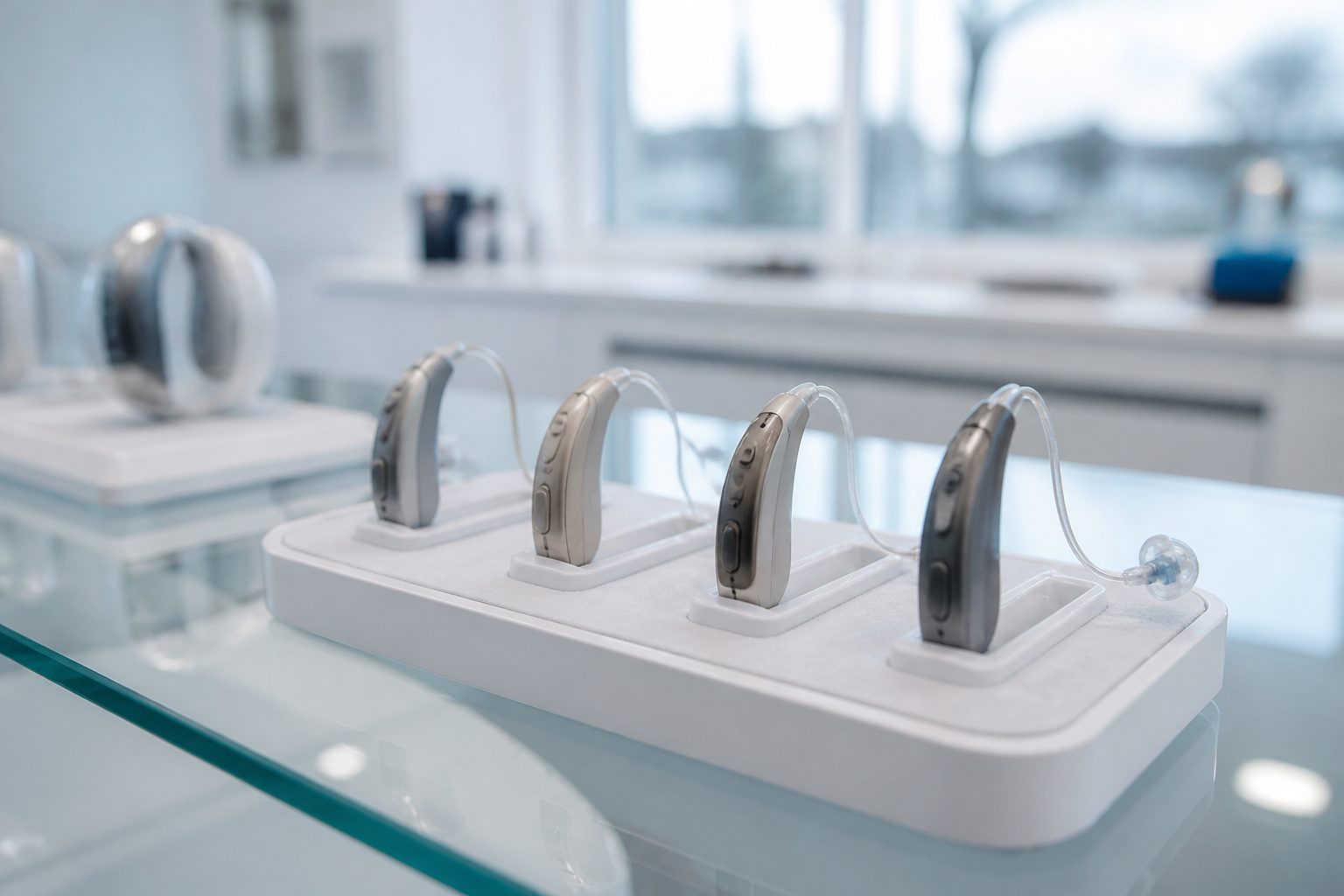
Designs include behind-the-ear (BTE), receiver-in-canal (RIC), in-the-ear (ITE), in-the-canal (ITC), and completely-in-canal (CIC) models. BTE and RIC are most common, especially for moderate to severe hearing loss. CIC and ITC are popular for their discretion, but often cost more. Rechargeable options, Bluetooth connectivity, and smartphone compatibility are features that add to the price.
Major international brands like Phonak, Siemens (now Signia), Widex, Oticon, and Resound are widely available, as well as Indian brands such as Alps and Arphi. Branded devices typically cost more, but often come with better after-sales support and warranties.
Hearing aid prices in India: What to expect
Prices for hearing aids in India vary based on the technology, brand, and channel of purchase (clinic, hospital, or online). Entry-level analog aids start as low as $80 (₹6,500), but most users will need digital devices. Digital hearing aids typically range from $200 (₹16,000) for basic models to $3,500 (₹2.9 lakh) for advanced models with features like Bluetooth streaming, multiple listening programs, and rechargeable batteries.
Premium models from global brands cost significantly more than local brands. For example, a basic digital BTE model from Phonak or Signia may start at $350 (₹29,000), while a top-end invisible-in-canal Oticon device with AI-based noise reduction can exceed $3,000 (₹2.5 lakh). Indian brands may offer similar technology at 10-30% lower prices, but may differ in terms of warranty and service network.
What is included in the price?
When purchasing a hearing aid in India, the listed price often covers more than just the device itself, but inclusions can vary significantly between providers and brands. Most reputable audiology clinics and hospital hearing centers bundle a basic hearing assessment, initial device fitting, and a set number of follow-up visits—typically two to five appointments within the first year. These follow-ups are crucial for programming and fine-tuning the device to your specific hearing profile and lifestyle needs.
Many packages also include starter batteries for non-rechargeable models, a cleaning kit, a storage or carrying case, and sometimes a dehumidifier to extend device life, which is especially useful in India’s humid climate. Warranty coverage is generally standard, ranging from one to three years depending on the brand and price tier, and covers manufacturing defects and some repairs.
However, not all services are automatically included. Comprehensive audiometry or advanced hearing tests (such as speech-in-noise testing or real ear measurements) may be charged separately, especially in private clinics. Extended aftercare packages, which can include unlimited programming adjustments, annual check-ups, or loaner devices during repairs, might also cost extra. For imported or high-end devices, some clinics impose additional fees for software updates, replacement parts, or out-of-warranty repairs.
Always ask for a detailed, written breakdown of what is included in the quoted price before making a purchase. This should specify device model, accessories, number of follow-up visits, warranty terms, and any potential extra charges so you can compare offers transparently and avoid unexpected expenses later.
Cost comparison: India vs other countries
India remains one of the most affordable places to buy hearing aids, especially compared to markets like the US, UK, or Australia. The following table compares typical price ranges for digital hearing aids across several countries, focusing on entry-level, mid-range, and premium models. Note that prices are indicative, may not include consultation or fitting in all cases, and can vary by region and provider.
| Country | Entry-level digital | Mid-range digital | Premium digital | Notes |
|---|---|---|---|---|
| India | $200-$400 (₹16,000-33,000) | $500-$1,200 (₹41,000-99,000) | $1,500-$3,500 (₹1.2-2.9 lakh) | Often includes fitting and basic follow-up |
| United States | $1,000-$1,500 | $2,000-$3,000 | $3,500-$7,000 | Includes fitting, higher service costs |
| United Kingdom | $900-$1,300 (£700-1,000) | $1,700-$2,500 (£1,300-2,000) | $3,000-$5,000 (£2,350-3,900) | NHS offers some aids for free |
| Australia | $900-$1,200 (A$1,350-1,800) | $1,500-$2,500 (A$2,250-3,750) | $3,000-$5,000 (A$4,500-7,500) | Government subsidies for eligible patients |
| Indonesia | $250-$500 (Rp 4-8 million) | $700-$1,300 (Rp 11-21 million) | $1,800-$3,200 (Rp 28-50 million) | Imported brands cost more |
| Philippines | $300-$600 (₱17,000-34,000) | $800-$1,500 (₱45,000-84,000) | $2,000-$3,000 (₱112,000-168,000) | Higher prices in Metro Manila |
| Bangladesh | $180-$350 (৳19,000-37,000) | $400-$900 (৳42,000-95,000) | $1,200-$2,500 (৳126,000-263,000) | Local brands available |
| Pakistan | $200-$400 (₨56,000-112,000) | $500-$1,200 (₨140,000-336,000) | $1,500-$2,800 (₨420,000-784,000) | Imported devices cost more |
Where to buy: Clinics, hospitals, and online options
In India, you have several avenues for purchasing hearing aids, each with its own cost implications and service levels. Hospital audiology departments—especially in large public and private hospitals—offer professional diagnostics and a range of devices, often at competitive prices. These settings are ideal for complex cases or when you require multidisciplinary care, as they typically have experienced audiologists and ENT specialists on staff. Independent hearing clinics, which may be standalone or part of specialist chains like Amplifon, Hearing Solutions, or Ear Solutions, provide personalized service and a broader selection of brands and models. These clinics often include on-site testing, device fitting, and after-sales programming, which can be crucial for ongoing support.
Authorised brand showrooms from leading manufacturers such as Phonak, Signia, or Resound are another reliable option, offering the latest models and direct access to manufacturer warranties and support. Major pharmacy chains like Apollo Pharmacy, Wellness Forever, and MedPlus stock basic hearing aids and accessories, but their selection and expertise are limited compared to specialist clinics.
Online platforms like HearingSol, Seniority, and authorised e-commerce sites have become increasingly popular, especially for users in smaller cities or those seeking convenience and potential cost savings. Online prices are sometimes lower due to reduced overheads, and some platforms offer remote consultations, home delivery, and virtual fitting for select models. However, buying online can limit your access to personalized fitting, in-person troubleshooting, and immediate aftercare. This route is generally best for users with straightforward hearing loss who have already consulted an audiologist and know their requirements.
Wherever you buy, always ensure the provider offers after-sales service, a clear warranty, and, if possible, a trial or return policy. Ask about the availability of programming, repairs, and future upgrades, as these services can affect the long-term cost and usability of your hearing aid.
Generic vs branded hearing aids: What’s the difference?
The choice between generic (unbranded) and branded hearing aids in India has a major impact on both upfront cost and long-term satisfaction. Generic hearing aids, sometimes imported from China or manufactured locally without a well-known brand, can cost as little as $50 (₹4,000). These devices are generally basic, offering simple amplification without advanced features like directional microphones, background noise reduction, or Bluetooth connectivity. After-sales support for generics is often minimal, and warranties may be limited or non-existent. Repairs and spare parts can also be difficult to obtain, potentially leading to higher long-term costs if the device fails.
Branded hearing aids from established companies such as Phonak, Signia, Widex, or Starkey are more expensive, with entry-level models starting around ₹20,000 to ₹30,000 and premium options exceeding ₹2,00,000. These devices are designed with sophisticated digital processing, better sound clarity, and features tailored for different environments and lifestyles. Branded aids also come with longer warranties (typically 2-3 years), reliable access to trained audiologists for fitting and adjustments, and easier access to repairs and spare parts.
For users with mild or temporary hearing loss, a generic device may suffice, but for moderate to severe loss, or for those who rely on their hearing aid all day, investing in a branded product is usually safer and more effective. Always check for ISI or CE certification to ensure the device meets safety standards, and avoid extremely cheap models lacking documentation or warranty, as these may pose health risks or fail prematurely. In the long run, a well-supported branded hearing aid can offer better value and peace of mind.
Hidden costs and common add-ons
When budgeting for a hearing aid in India, consider costs beyond the device itself. Batteries (for non-rechargeable models) usually cost $1-$3 (₹80-250) per pack and may last 5-10 days per battery. Rechargeable models avoid this cost but may have higher upfront prices. Ear moulds, if custom-made, add $10-$40 (₹800-3,200). Repairs outside warranty, device reprogramming, and replacement parts (tubing, domes, receivers) are typically not included and can add $20-$200 (₹1,600-16,000) over a few years.
Some clinics offer extended care packages for $50-$200 (₹4,000-16,000), covering annual check-ups, cleanings, and reprogramming. Travel costs for follow-up visits, especially for those outside major cities, should also be planned for. Always ask for a full written estimate including all likely add-ons before committing.
How to save on hearing aids safely
Hearing aids are a significant investment, but there are several strategies to reduce costs in India without sacrificing safety or effectiveness. Start by comparing prices at multiple authorised clinics and online platforms—costs can vary widely between providers for the same model. Ask about seasonal promotions, bundled packages (which may include batteries, accessories, or free follow-ups), or discounts for senior citizens and students. Opting for slightly older models, especially when new versions are released, can provide substantial savings; these devices often retain most of the core features and reliability of their newer counterparts.
Consider reputable Indian brands, which frequently offer 80-90% of the features found in imported hearing aids but at a much lower price. While international brands like Siemens or Widex have premium options, local manufacturers such as Alps or Resound India can be more budget-friendly, especially for basic needs.
Explore government assistance: schemes such as the Assistance to Disabled Persons (ADIP) program provide free or subsidized hearing aids to eligible senior citizens and persons with disabilities, often distributed through district hospitals or NGOs. Charitable organizations like the Ali Yavar Jung National Institute and the Rotary Club occasionally conduct camps or provide devices at reduced rates for low-income patients.
Regardless of the price, always ensure the supplier offers a proper fitting by a qualified audiologist, after-sales support, and a legitimate warranty. Avoid grey-market or extremely cheap generic devices lacking certification, as poor fitting or unreliable products can lead to further hearing problems and additional expenses down the line.
Tips for choosing the right hearing aid and provider
Choosing the right hearing aid and provider in India can have a major impact on both your experience and overall costs. Begin by scheduling a comprehensive hearing evaluation with a certified audiologist, not just a sales representative. Audiologists are trained professionals who can accurately diagnose the type and degree of your hearing loss, which is essential for selecting the most effective device. The right hearing aid will depend on several factors, including the specific nature of your hearing loss (sensorineural, conductive, or mixed), the severity (mild to profound), your ear canal shape, and even your daily activities—whether you’re often in noisy environments, need Bluetooth connectivity, or require discreet, in-ear models.
It’s also important to consider practical aspects like your manual dexterity—smaller devices can be difficult for elderly users or those with arthritis to handle. Ask your provider about a trial period; many reputable clinics in India offer 7 to 30 days for you to assess the device in real-world situations, such as at work or in crowded places. This trial can help you avoid costly mistakes and ensure comfort and effectiveness.
Verify the provider’s credentials: check for audiologist registration with the Rehabilitation Council of India (RCI) and look for clinics with established reputations. Prioritize providers that offer after-sales support, such as regular device programming, maintenance, and emergency troubleshooting. For children and seniors, aftercare and user-friendly controls are especially important. Always request a detailed, written estimate that breaks down the device cost, included services (like fittings and follow-ups), and warranty duration. This transparency helps you compare options and avoid hidden charges. Remember, investing in a trusted provider and proper fitting can save money and frustration over time.
Frequently asked questions
How much does a basic digital hearing aid cost in India?
Basic digital hearing aids in India typically cost between $200 and $400 (₹16,000-33,000), including fitting and a short warranty. Prices for advanced models with features like Bluetooth or rechargeable batteries are higher. Always confirm what is included in the quoted price.
Are hearing aids covered by insurance in India?
Most health insurance policies in India do not cover hearing aids, except under specific plans for disabilities. Some government schemes or NGOs may subsidise basic devices for eligible groups. Always check your policy or ask the provider for updates.
Is it safe to buy hearing aids online in India?
Online purchase can be safe if you use authorised dealers and ensure after-sales support is available locally. However, a proper fitting and ongoing programming are best done in person by an audiologist. Avoid unknown brands or deals that seem too good to be true.
What is the typical lifespan of a hearing aid?
Most hearing aids last 4-7 years with proper care. Battery life, exposure to moisture, and how well the device is maintained all affect longevity. Regular servicing and timely repairs can extend the usable life of your device.
Can I use a hearing aid purchased abroad in India?
Yes, you can use a hearing aid bought overseas, but finding local programming and repair support for some models may be difficult. Always check if the brand has service centers or authorised partners in India before buying abroad.
Related guides
Disclaimer: Prices in this article are indicative and vary by brand, model, service package, and location. Always obtain a written quote and consult a qualified audiologist or doctor before purchasing any hearing aid.