
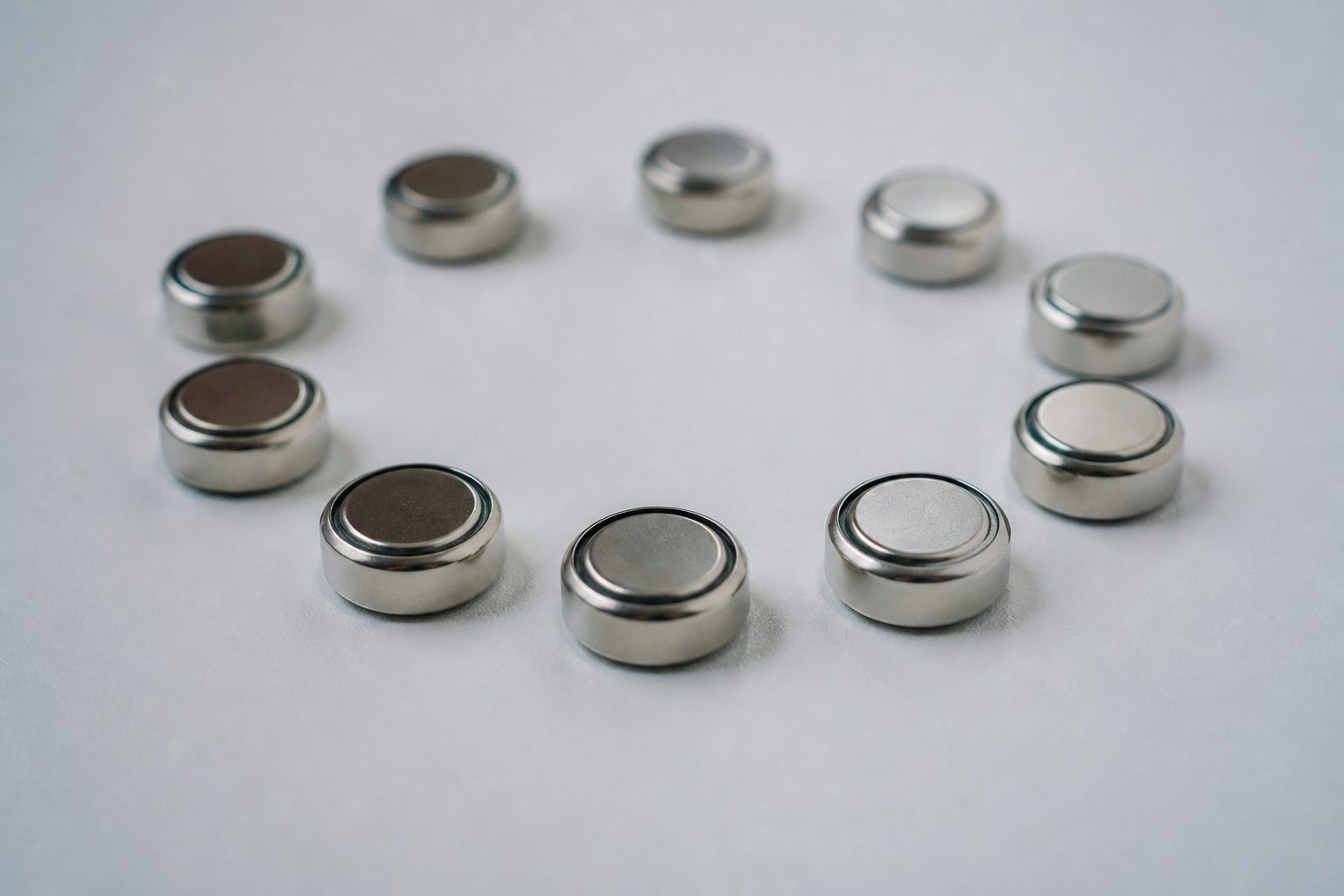
This guide is for patients and families comparing the costs of generic and branded hearing aid batteries. It covers key price differences, performance, and what to expect at the pharmacy or online.
Hearing aid battery prices can vary widely. Generic batteries often cost $0.20–$0.50 per cell, while branded batteries may run $0.60–$1.20 each. We compare prices across major countries and explain what affects these costs.
What are generic and branded hearing aid batteries?
Hearing aid batteries are essential for powering most behind-the-ear and in-the-ear devices. The most common type is the zinc-air disposable battery, available in four standard sizes (10, 312, 13, and 675). Branded batteries are produced by established companies such as Rayovac, Duracell, and Power One, often marketed for reliability and long shelf life. Generics are produced by lesser-known manufacturers and may be sold under pharmacy or store brands.
Both types must meet minimum safety and performance standards in most countries. However, differences in quality control, packaging, and distribution can affect user experience. For many, generic batteries offer substantial savings, but some users report shorter life or inconsistent performance compared to major brands.
Price comparison: Generic vs branded batteries worldwide
Battery prices depend on country, retailer, packaging (single vs multi-pack), and whether you buy online or in-store. Below is a comparison of average per-battery costs for size 312 (the most common) in major countries. Prices are for packs of 6–12 batteries, which offer better value than singles.
| Country | Generic (per battery) | Branded (per battery) |
|---|---|---|
| United States | $0.25–$0.50 | $0.80–$1.20 |
| United Kingdom | $0.20–$0.40 (£0.16–£0.32) | $0.70–$1.00 (£0.56–£0.80) |
| India | $0.15–$0.35 (₹12–₹29) | $0.45–$0.90 (₹36–₹72) |
| Pakistan | $0.18–$0.40 (PKR 50–110) | $0.50–$1.00 (PKR 140–280) |
| Bangladesh | $0.20–$0.40 (৳22–৳44) | $0.60–$1.10 (৳66–৳121) |
| Indonesia | $0.22–$0.45 (Rp 3,500–7,200) | $0.55–$1.10 (Rp 8,800–17,600) |
| Philippines | $0.25–$0.50 (₱14–₱28) | $0.70–$1.20 (₱39–₱67) |
| Germany | $0.25–$0.45 (€0.23–€0.42) | $0.80–$1.10 (€0.74–€1.02) |
What is included in the price?
Most battery packs are sold in blister packs of 6, 8, or 12. The price usually covers only the batteries themselves. Some in-store purchases may offer a small carrying case or tester as a promotion, but this is rare. Online sellers may bundle batteries with cleaning wipes or small pouches, but these are not standard. Shipping fees may be added for online or international orders, especially for bulk purchases.
When buying from a hearing clinic, the cost may be higher but can sometimes include a basic fitting or device cleaning. However, batteries themselves are rarely covered by insurance or national health schemes, except in some European countries where hearing aid users may receive free batteries as part of their device coverage.
What drives the price difference?
The price gap between generic and branded hearing aid batteries is shaped by several intertwined factors. First, manufacturing costs play a major role. Branded batteries are often produced in high-tech facilities with strict quality controls, ensuring consistent voltage, leak resistance, and longer shelf life. These processes increase production costs, which are passed along to consumers. Generics, on the other hand, may be produced in bulk with less rigorous quality assurance, using lower-cost materials and more basic packaging, which helps keep prices down but sometimes results in shorter battery life or less reliability.
Marketing and distribution also add to the cost of branded batteries. Well-known brands invest heavily in advertising, sponsorship of hearing care events, and maintaining a global presence in pharmacies and clinics. This brand recognition reassures consumers about quality but adds to the final retail price. Generics typically have minimal marketing and are often sold under store brands or lesser-known labels, saving on these expenses and allowing for lower prices.
Supply chain logistics further influence costs. Branded batteries are distributed through established channels, sometimes involving multiple intermediaries, each adding a markup. Generics may be sourced directly from manufacturers or distributed locally, reducing overhead. In countries like the US, Canada, and Western Europe, branded batteries are often imported and subject to tariffs, customs duties, and local taxes, which can significantly raise their price. In contrast, generics may be produced locally or imported under different regulations, resulting in lower or more variable pricing.
Currency fluctuations also impact battery prices, especially in countries that import most of their hearing aid supplies. Sudden changes in exchange rates can make imported branded batteries more expensive almost overnight, while local generics may remain stable. Online marketplaces and bulk buying can help consumers save, but these options come with increased risk, as the supply chain is harder to verify and the chance of encountering counterfeit or expired batteries is higher.
In summary, the price difference is driven by manufacturing quality, marketing expenses, supply chain complexity, and local economic factors. Consumers should weigh these elements when choosing between generic and branded batteries, considering both cost and reliability.
Are branded batteries really better?
Branded hearing aid batteries are often marketed on the promise of superior quality, longer life, and enhanced leak resistance. Independent laboratory tests have found that some branded batteries do, in fact, last 10–20% longer per cell under controlled conditions, thanks to stricter quality control and advanced manufacturing processes. For users with high-drain or advanced digital hearing aids—such as those with wireless streaming, Bluetooth connectivity, or powerful amplification—this extra battery life and reliability can be crucial, offering peace of mind and fewer interruptions in daily life. In countries with robust consumer protection laws, branded batteries are also more likely to meet stringent safety and performance standards.
However, the gap between branded and generic batteries has narrowed in recent years. Many generic brands have improved their quality, and some now meet or nearly match the performance of established brands, especially for standard zinc-air batteries. For users who change batteries often or use basic devices that are less demanding on power, generics can provide similar daily results at a much lower cost. The most important factor for both types is freshness: batteries degrade over time, so even the best brand will underperform if it’s old or improperly stored.
To get the best results, buy from reputable sources—whether branded or generic—and check expiry dates and packaging integrity. If you have a high-performance hearing aid or rely on your device in critical situations, the extra cost of branded batteries may be worthwhile. But for many users, especially those on a budget or with less demanding devices, generics are a practical and safe alternative when sourced carefully.
Hidden costs and pitfalls to avoid
When comparing generic and branded hearing aid batteries, it’s easy to focus only on the sticker price, but several hidden costs can undermine your savings if you aren’t careful. The most significant of these is battery lifespan. While generic batteries may cost less upfront, they sometimes have a shorter usable life than their branded counterparts. If a generic battery only lasts two or three days compared to a branded battery’s five to seven days, you’ll end up buying more batteries and potentially spending more in the long run. This is especially relevant in countries where battery import quality is less regulated, and generic brands may not adhere to consistent manufacturing standards.
Another hidden cost comes from improper storage or purchasing batteries close to their expiration date. Both generic and branded batteries lose charge over time, but older or poorly stored batteries are more prone to leakage or rapid depletion. Battery leakage can damage your hearing aid’s sensitive electronics, leading to expensive repairs or even device replacement. In the US and Europe, hearing aid repairs can cost hundreds of dollars or euros, so a faulty battery can quickly erase any initial savings.
Counterfeit batteries are an increasing concern, particularly when purchasing online. Counterfeits may be disguised as either branded or generic products but often deliver subpar performance, have a higher risk of leakage, and may not meet safety standards. This is a notable issue in regions with less stringent import controls or on global online marketplaces. To avoid this pitfall, always buy from established sources such as licensed pharmacies, certified hearing clinics, or reputable online retailers. Check for intact packaging, clear expiry dates, and manufacturer seals. If you notice batteries with faded print, mismatched packaging, or missing authenticity codes, it’s best to avoid them.
In summary, to avoid hidden costs, be vigilant about battery lifespan, storage conditions, and authenticity. Investing a little more time in choosing your supplier and regularly checking battery condition can save you significant money and hassle in the long term.
How to save safely on hearing aid batteries
There are several reliable strategies to reduce your hearing aid battery expenses without compromising on safety or performance. One of the simplest ways is to purchase batteries in larger multi-packs, which often lowers the per-battery price. However, it’s important not to buy more than you’ll use within a year; zinc-air batteries, the most common type, gradually lose their charge even when unopened, especially in humid or hot climates. Over-purchasing can lead to wasted money on expired or underperforming batteries.
Look for sales and discounts at major pharmacy chains, hearing care clinics, or reputable online platforms. In North America and much of Europe, large retailers often run seasonal promotions, and online marketplaces like Amazon or Boots frequently offer bulk deals with clear return policies. Before buying online, check the seller’s ratings and return options to ensure you can get a refund or exchange if you receive old or faulty stock.
Many hearing aid manufacturers have loyalty programs or offer discounts for registered users. For example, some brands provide coupons, rebate offers, or direct-to-door delivery at reduced rates for those who register their devices. Check your hearing aid brand’s official website or ask your audiologist about available programs.
If you live in a country with public health support, such as the NHS in the UK, Australia’s Hearing Services Program, or certain European healthcare schemes, you may qualify for free or subsidized hearing aid batteries. Eligibility often depends on age, income, or disability status, so inquire with your local health authority or audiology clinic to see if you qualify. In low- and middle-income countries, prices can vary widely between hospital pharmacies, independent retailers, and street vendors. Compare prices carefully, but prioritize established pharmacies or clinics for better quality assurance and safer storage conditions. In some Asian and African markets, non-certified batteries may be sold at deep discounts but are more likely to be counterfeit or expired.
In summary, buy only what you’ll use within a year, seek out reputable sellers and loyalty programs, and check if you’re eligible for subsidies. These steps will help you save money while ensuring your hearing aids remain reliable and safe.
Frequently asked questions
How long do hearing aid batteries last?
Battery life depends on size, device power needs, and usage. Most size 312 batteries last 3–10 days. Branded batteries may last 10–20% longer than generics, but freshness and storage are key factors for both types.
Are generic hearing aid batteries safe?
Most generics from established pharmacy or medical suppliers are safe and meet regulatory standards. Avoid unbranded or suspiciously cheap batteries online, as these may be counterfeit or poorly made.
Can I use any brand of battery in my hearing aid?
Yes, as long as the battery size matches your device. Some hearing aid manufacturers recommend certain brands, but most modern devices are compatible with any quality battery of the correct size.
Why are batteries more expensive at hearing clinics?
Clinics may charge more due to smaller purchase volumes, added convenience, and service overhead. However, they may offer fresher stock and better support, which can be worth the extra cost for some users.
How should I store hearing aid batteries?
Store batteries in a cool, dry place away from metal objects and humidity. Do not refrigerate. Keep them in original packaging until use to prevent short circuits and preserve shelf life.
The bottom line
When weighing the choice between generic and branded hearing aid batteries, it’s important to consider not just the upfront cost but also the long-term value and reliability for your specific needs. Generic batteries can be a cost-effective option, particularly for users who need to replace batteries frequently or who use basic hearing aid models that are less sensitive to minor fluctuations in battery performance. In many countries, generics are widely available and can offer substantial savings, especially if purchased from reputable sources.
Branded batteries, while often more expensive, may provide slightly longer battery life, more consistent voltage output, and better leak resistance due to stricter quality control during manufacturing. This can be especially important for users with advanced hearing aids, those with severe hearing loss, or anyone who relies on their device for critical communication in professional or social settings. However, the price premium for branded batteries is not always justified by the marginal performance gains, particularly if you are diligent about sourcing fresh, authentic generics.
To maximize both safety and savings, always buy from trustworthy retailers, avoid stockpiling more than a year’s supply to prevent battery degradation, and compare the cost per battery rather than just the package price. Additionally, check if you qualify for public health support or manufacturer loyalty programs, as these can further reduce your out-of-pocket expenses.
Related guides
Disclaimer: Prices and availability for hearing aid batteries vary widely depending on your country, local market conditions, retailer, and battery type. The information provided here is for general guidance only. Always request a written quote before purchasing, verify the correct battery size for your hearing aid model, and consult with a qualified audiologist or hearing care professional for advice tailored to your specific situation.