
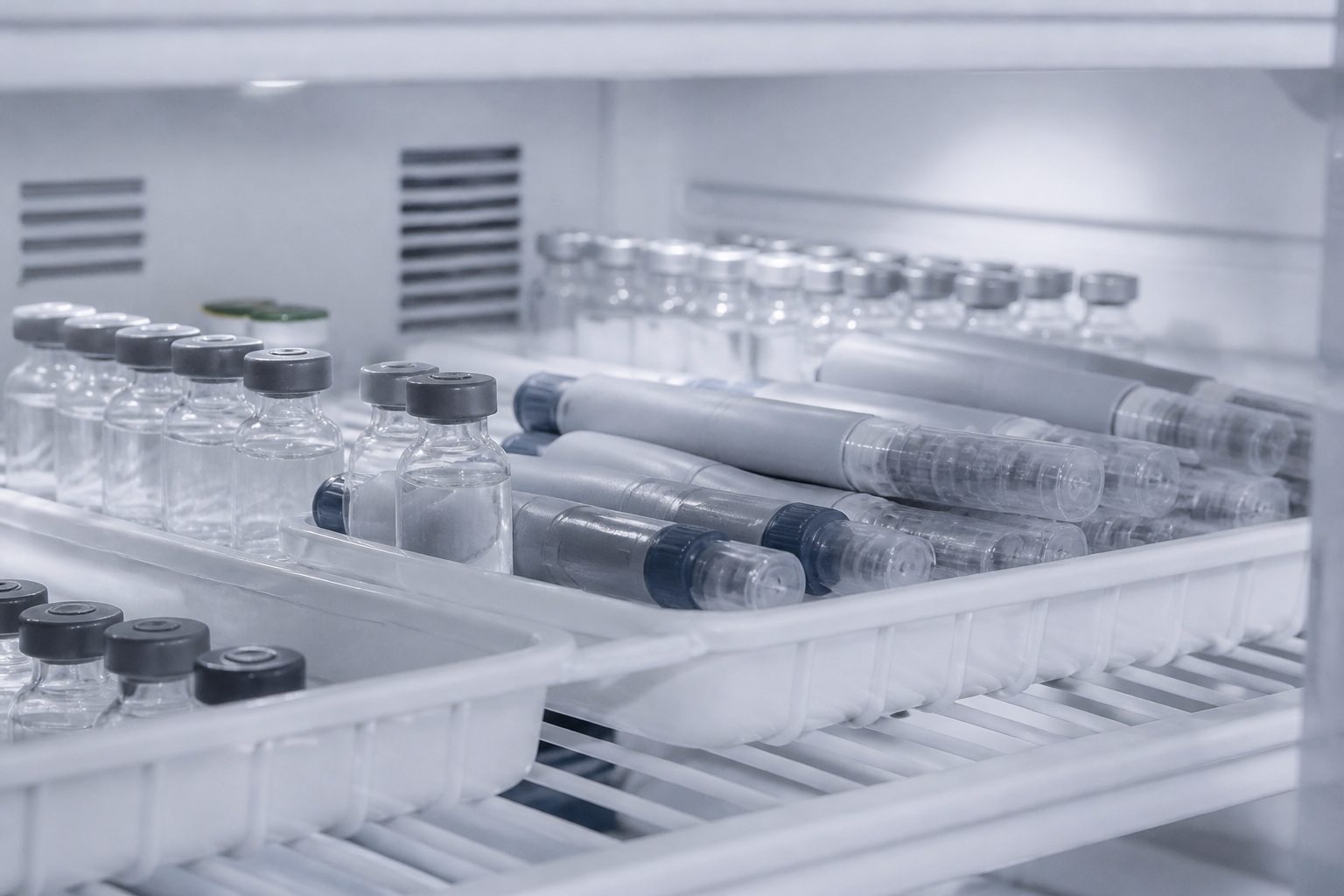
For people living with diabetes, insulin is a daily necessity—but its cost can be a source of ongoing stress. Patient assistance programs (PAPs) offer a practical way to lower out-of-pocket expenses for insulin, especially for those without adequate insurance or facing high co-pays.
This guide explains how patient assistance programs work, who qualifies, how to apply, and what you can expect to pay for insulin in different countries. We also cover what’s included, what’s not, and how to avoid common pitfalls when seeking affordable insulin.
Understanding patient assistance programs for insulin
Patient assistance programs (PAPs) for insulin are designed to bridge the gap for people who cannot afford their essential diabetes medication due to high out-of-pocket costs or lack of adequate insurance. These programs are most commonly offered by the pharmaceutical manufacturers that produce insulin, such as Eli Lilly, Novo Nordisk, and Sanofi in the United States, but non-profit organizations and some government initiatives also operate similar schemes in countries where public health coverage is limited or incomplete.
Each program has its own set of rules, but generally, PAPs are targeted at uninsured or underinsured individuals and those facing financial hardship. In the U.S., for example, manufacturer PAPs typically require applicants to demonstrate that they have no insurance or that their insurance does not adequately cover insulin. In other countries, such as India or Brazil, government-run PAPs may be available to low-income citizens, while non-profits sometimes fill in the gaps for those who fall outside government criteria.
Eligibility requirements can be quite detailed and may include proof of income (such as tax returns or pay stubs), proof of residency or citizenship, and a current prescription for insulin. Some programs are open to all residents regardless of nationality, while others are strictly limited to citizens or legal residents. The application process can range from a simple online form to a multi-step process involving physician attestations, notarized documents, and regular re-verification of eligibility. It is vital to review the documentation requirements carefully to avoid delays or denial of coverage.
For people in countries with national health insurance, such as Canada or many European nations, PAPs may be less common or only available to those who fall through the cracks of the public system. In contrast, in countries with limited public healthcare, PAPs can be a lifeline, but may have long wait times or limited availability. Always consult your healthcare provider or a patient advocacy group for up-to-date information on available programs and how to apply.
Insulin cost comparison: country by country
The price of insulin varies dramatically worldwide, influenced by factors such as local regulations, the availability of generics, government subsidies, and market competition. The table below compares the average monthly cost of a typical insulin regimen (e.g., 30-day supply of rapid-acting and long-acting insulin) across a selection of countries, using both branded and generic equivalents where available. These figures represent retail pharmacy prices before any patient assistance or insurance coverage is applied.
| Country | Branded (USD) | Generic/Biosimilar (USD) | Comments |
|---|---|---|---|
| United States | $250-$450 | $45-$120 | Wide price range; PAPs common for uninsured |
| India | $25-$45 (₹2,000-3,600) | $8-$20 (₹650-1,650) | Many generics; government price caps |
| Pakistan | $28-$52 (₨8,000-15,000) | $10-$18 (₨2,800-5,200) | Some local biosimilars available |
| Bangladesh | $22-$40 (৳2,400-4,400) | $7-$15 (৳760-1,600) | Widespread use of generics |
| Indonesia | $35-$60 (Rp550,000-950,000) | $12-$25 (Rp190,000-400,000) | Subsidized products in public sector |
| Philippines | $40-$75 (₱2,200-4,100) | $14-$28 (₱770-1,540) | Generics available in major cities |
| United Kingdom | $0 (NHS) | $0 (NHS) | Free at point of use for eligible residents |
| Germany | $10-$25 (€9-23) | $8-$15 (€7-14) | Most costs covered by statutory insurance |
| Canada | $35-$80 (CA$48-110) | $20-$40 (CA$28-55) | Provincial drug plans may reduce cost |
| Australia | $30-$40 (A$45-60) | $18-$28 (A$27-42) | Subsidized under PBS for citizens |
What patient assistance programs offer
Most patient assistance programs for insulin provide medication at no cost or at a significant discount, typically for a set period (often 12 months). Some programs include both vials and insulin pens, while others are limited to specific formulations or brands. A few programs also offer support for related diabetes supplies such as syringes, pen needles, or blood glucose test strips, but these are less common.
What’s included often depends on the manufacturer and the program’s funding. For example, Eli Lilly, Novo Nordisk, and Sanofi each operate global or country-specific patient assistance programs that may include their full insulin range or only selected products. Independent non-profits sometimes provide vouchers or direct financial support to help cover pharmacy costs. Notably, government programs in some countries (such as the UK’s NHS) make insulin free or nearly free for eligible patients, reducing the need for separate assistance.
Eligibility: who qualifies for insulin assistance?
Eligibility for insulin patient assistance programs (PAPs) is determined by several key factors, and these can vary widely depending on the country, the manufacturer, and the nature of the program. In the United States, the most common criteria include household income (often set below 300-400% of the federal poverty level), lack of adequate insurance coverage (meaning you are uninsured or your insurance does not sufficiently cover insulin costs), and proof of legal residency or citizenship. For instance, a single applicant in the U.S. might need to show an annual income below $54,000 to qualify for some manufacturer PAPs, though this threshold can change annually and may differ by state or program.
Applicants are typically required to submit a recent prescription for insulin and, in many cases, a healthcare provider’s attestation of medical necessity. Some programs may also ask for additional documentation, such as recent tax returns, pay stubs, or proof of participation in public assistance programs. For children, seniors, or people with disabilities, there may be special provisions or separate programs with slightly different requirements.
Outside the U.S., eligibility can be both more and less restrictive. In countries with universal healthcare, such as the UK, insulin is often provided free or at a nominal cost through the public system, so PAPs are rare. In countries like Mexico, Brazil, or India, eligibility for PAPs may be based on income alone, with less emphasis on insurance status, since private insurance is less common. Some international programs, especially those run by global non-profits, may accept applicants regardless of citizenship or residency, provided they have a valid prescription and evidence of need.
To avoid wasted effort, always consult the official program website or speak with your healthcare provider for the most current and detailed eligibility information. If you don’t qualify for a manufacturer program, check with local charities, community health clinics, or government agencies, as they may offer alternative sources of assistance.
How to apply for a patient assistance program
Applying for insulin assistance typically involves several steps:
- Obtain a current prescription for the required insulin product.
- Check program eligibility criteria on the manufacturer’s or non-profit’s website.
- Gather required documentation, such as proof of income, insurance status, and residency.
- Complete the program’s application form (often available online or as a PDF).
- Ask your healthcare provider to complete any required sections or provide supporting documentation.
- Submit the application by mail, fax, or online portal.
Processing times vary, but many programs respond within 2-4 weeks. Once approved, insulin is provided either directly to your home, your doctor’s office, or a participating pharmacy. Some programs require renewal every year or sooner if your circumstances change. If you are denied, you can often appeal or seek help from a social worker or diabetes educator.
What is and is not included in PAP coverage
Most insulin patient assistance programs focus strictly on providing the insulin medication itself, and do not automatically include the essential supplies and equipment required for diabetes management. For example, syringes, pen needles, insulin pumps, continuous glucose monitors (CGMs), test strips, lancets, and glucometers are typically excluded from manufacturer-run PAPs in the United States and many other countries. However, there are occasional exceptions—some programs, especially those run by non-profit organizations or local government initiatives, may offer bundled packages that include a limited amount of supplies. It is crucial to read the program’s terms and conditions and, if possible, speak directly with a program representative or your healthcare provider to clarify what is covered.
Shipping costs for insulin are usually included, especially for programs operated by large pharmaceutical companies, but there can be exceptions, particularly for people living in remote or rural areas where extra delivery fees may apply. Some programs may require you to pick up your insulin at a participating pharmacy, which could add transportation costs if you live far from the nearest location.
It’s also important to note that PAPs almost never cover the costs of doctor visits, laboratory tests, diabetes education, or emergency care. These costs remain your responsibility, and you should budget for them accordingly. In countries with robust public health systems, such as the UK or Australia, public insurance may cover both medication and supplies, but PAPs in these countries are less common. In contrast, in countries with limited public coverage, non-profit organizations may step in to fill the gaps, sometimes providing supplies as well as insulin. Always verify the scope of coverage before applying, and consider seeking additional support from local charities or government programs if you need help with supplies or diabetes-related services.
Hidden costs and how to save safely
Even when you are approved for a patient assistance program (PAP) that covers your insulin, there may be additional expenses that catch you by surprise. While manufacturer PAPs rarely charge application fees, some non-profit or third-party organizations may require small administrative payments. More commonly, you will need to pay out-of-pocket for the doctor visits necessary to obtain or renew your prescription, as well as for any required lab tests to monitor your diabetes. In some cases, programs may require official copies of documents or notarization, which can also incur fees.
If your PAP only allows you to receive insulin through a specific network of pharmacies or by mail order, you may face extra travel or shipping costs, especially if you live in a remote or rural area. Delivery fees are usually covered, but always confirm this before relying on a program. Additionally, if your insulin is shipped internationally, customs duties or import taxes may apply in some countries.
To maximize your savings and protect your health, it is crucial to avoid risky shortcuts such as purchasing insulin from unregulated online sources or unofficial sellers, as counterfeit or improperly stored insulin can be ineffective or even dangerous. Stick to accredited pharmacies and apply only through reputable assistance programs. Discuss with your doctor whether lower-cost insulin options, such as biosimilars or older formulations, could be appropriate for your treatment plan. In some countries, government subsidies or local non-profits may offer further discounts or free supplies—ask your healthcare provider or a diabetes advocacy group about these options.
Finally, consider practical strategies such as requesting a larger supply of insulin at once (if allowed by the program and your prescription), which can sometimes lower the per-unit cost and reduce the frequency of refills. However, always check expiration dates and ensure you have proper refrigeration and storage facilities to maintain insulin potency and safety. By being aware of hidden costs and making informed choices, you can save on insulin without compromising your health.
Tips for maximizing your insulin savings
Start by asking your healthcare provider or pharmacist for a list of patient assistance programs available in your country. Many hospitals and clinics have social workers or patient navigators who can help with the application process. Keep careful records of your application status and renewal dates, and notify programs promptly if your circumstances change.
If you are insured but still face high co-pays, check for co-pay assistance programs or manufacturer discount cards, which may be available even to those with insurance. If you travel frequently or live abroad, research whether you can transfer your PAP enrollment or reapply in your new country. Always compare the total cost of insulin (including supplies) when evaluating your options, and don’t hesitate to seek help from diabetes advocacy groups or non-profits if you encounter difficulties.
The bottom line
Patient assistance programs (PAPs) can be a crucial resource for individuals and families struggling to afford the rising cost of insulin, but navigating these programs requires careful planning and persistence. The process is often more involved than simply filling out a form: you’ll need to determine your eligibility based on specific income and insurance criteria, which can differ by country and by manufacturer. For example, in the United States, major insulin manufacturers like Eli Lilly, Novo Nordisk, and Sanofi each have their own PAPs, each with unique application requirements and annual income cutoffs. Gathering documentation such as recent tax returns, pay stubs, proof of residency, and a valid prescription is essential, and missing paperwork can delay or even disqualify your application.
It’s important to compare not only the cost savings but also the terms and duration of coverage offered by different programs. Some PAPs require annual re-enrollment, while others may cover you for a longer period. You should also be aware of how long it takes to process an application—delays can leave you without insulin, so apply well before your current supply runs out. Consult with your healthcare provider for help with paperwork and to ensure the insulin offered matches your medical needs. In some countries, such as Canada or the UK, government or provincial programs may supplement manufacturer PAPs, offering even more options for affordable insulin.
Ultimately, with diligent research and timely action, many people are able to access the insulin they need for free or at a greatly reduced cost. Don’t hesitate to seek help from diabetes advocacy organizations, social workers, or pharmacists, who can guide you through the process and help you avoid common pitfalls. The right approach can make life-saving insulin accessible and affordable, reducing both financial and health-related stress.
Frequently asked questions
How long does it take to get approved for an insulin assistance program?
Most programs process applications within 2 to 4 weeks, though response times can vary depending on the program and completeness of your application. Delays are more likely if required documents are missing or need verification. It’s advisable to apply early and follow up if you do not hear back within the expected timeframe.
Can I apply for more than one assistance program at the same time?
In most cases, you can apply to multiple programs, but you cannot receive duplicate supplies of the same insulin from different sources. If you qualify for more than one program, choose the one that best fits your needs, and inform all parties to avoid overlap. Some programs may coordinate or refer you if you are ineligible.
Are generic or biosimilar insulins covered by patient assistance programs?
Yes, some programs specifically cover generic or biosimilar insulins, which can be more affordable than branded products. Coverage varies by country and manufacturer. Always check the program’s formulary to confirm which insulin types are included before applying.
What if I am denied assistance or my application is delayed?
If your application is denied, review the reason provided and consider appealing or correcting any errors. Seek help from a healthcare provider, social worker, or diabetes support group. In urgent situations, some programs offer emergency supplies while your application is processed.
Can international patients use US or EU-based patient assistance programs?
Most US and EU manufacturer programs require applicants to be residents or citizens of the country, but some international or non-profit programs may have broader eligibility. Always check the specific criteria and look for local assistance programs in your country or region.
Related guides
Disclaimer: Prices and program details in this guide are indicative and may vary by hospital, pharmacy, country, and patient circumstances. Always obtain a written quote and consult a qualified healthcare provider before making decisions about insulin or other medications.